
Featured Blog Posts
Our blog is a space to explore mental health, body image, and personal growth with compassion and curiosity. Here, we share insights, guidance, and reflections to support you on your journey toward self-trust, healing, and freedom from diet culture pressures.
When most people picture someone with an eating disorder, they have a specific image in mind. Maybe they imagine someone in a smaller body who barely eats or someone whose physical health has become visibly compromised. But eating disorders don't have one particular look, and believing they do can prevent teenagers from getting the support they need. As an eating disorder therapist, one of the things I feel most passionate about is helping parents understand that eating disorders can affect anyone, regardless of their body size, gender, age, or athletic ability.
As a parent, you know your teenager better than almost anyone. You may notice subtle changes in their mood, behavior, or relationship with food long before you have a clear explanation for what's happening. Maybe your teen has become increasingly concerned about their appearance. Perhaps they're avoiding certain foods, withdrawing from social activities, or seeming more anxious or irritable than usual. You might have noticed these changes for weeks or months without knowing whether they're cause for concern. In my work as an eating disorder therapist, I know that recognizing the signs of an eating disorder in teens isn't always straightforward. Eating disorders and disordered eating can look different from one person to another, and some warning signs are easy to mistake for typical teenage behavior.

Compulsive exercise refers to a pattern of exercise that feels driven, rigid, or difficult to control, even when continuing to exercise may be physically or emotionally harmful.
It isn't necessarily about how many hours you exercise or how intense your workouts are.
Two people can have the exact same exercise routine, but one may experience it as enjoyable and flexible while the other experiences it as an obligation they can't escape.
The question isn't simply: "How much do I exercise?"
It's also: "What happens when I don't?"

When you think about eating disorders, you might picture someone who is severely restricting their food, visibly underweight, or engaging in behaviors like bingeing and purging.
But eating disorders and disordered eating don't always look the way we expect them to.
You don't have to have a diagnosis to struggle with food.
You don't have to be at a certain weight.
And you don't have to feel like your relationship with food is "bad enough" to deserve support.
Sometimes the signs are much quieter.
Maybe you think about food constantly. Maybe you feel anxious when you don't know what you'll be eating later. Maybe you have a list of foods you consider "good" and "bad." Maybe you regularly skip meals because you ate "too much" the day before. Maybe you exercise to compensate for what you've eaten.
Or maybe you technically eat a wide variety of foods, but you spend an enormous amount of mental energy worrying about what, when, and how much you're eating.
You may find yourself wondering:
"Is this normal?"
"Does everyone think this much about food?"
"Do I actually have a problem?"
The answer isn't always straightforward. But your relationship with food doesn't need to meet some imaginary threshold of seriousness before you are allowed to seek help.
Food can be comforting.
Sometimes you want a warm bowl of pasta after a difficult day. Maybe you reach for ice cream when you're sad, order your favorite takeout after a stressful week, or find yourself snacking while scrolling through your phone at night.
There is nothing inherently wrong with finding pleasure and comfort in food.
In fact, food is supposed to be pleasurable.
But sometimes eating becomes our primary way of coping with stress, boredom, loneliness, anxiety, or difficult emotions. When that happens, you may start wondering:
"Why do I keep turning to food when I'm not physically hungry?"
"Am I an emotional eater?"
"Why does food feel like the only thing that makes me feel better?"
These questions can be especially complicated for people recovering from an eating disorder or trying to heal their relationship with food.
The answer isn't to take pleasure away from food.
Instead, it can be helpful to understand what you're actually looking for when you reach for food, and how you might give yourself more than one way to experience comfort, connection, pleasure, and relief.

One of the most important things to remember when diet culture becomes louder is that cultural beauty standards are constantly changing.
The "ideal" body has never been a fixed concept.
At different points in history, larger bodies have been idealized. At other times, extreme thinness has been celebrated. We've seen trends move toward curves, then thinness, then "fit" bodies, and now toward increasingly narrow ideas of what a desirable body should look like.
Your body didn't suddenly become more or less worthy because the cultural ideal changed.
And neither did your health.
A trend can change without you needing to participate in it.

Talking to your child about sex can feel uncomfortable. Maybe you didn't grow up having open conversations about sex with your own parents. Maybe you're worried about saying too much, saying the wrong thing, or accidentally encouraging behavior you're not ready for your child to explore.
And sometimes the conversation starts in a way you weren't expecting.
Maybe you find a sexually explicit book in your teenager's room. Maybe they ask you a question about sex that catches you completely off guard. Maybe they mention something they saw online, or you're suddenly realizing that they're starting to have questions about relationships, intimacy, and attraction.
Whatever prompts the conversation, your first instinct might be to panic.
You don't have to.

Relationships can be complicated. Every couple experiences conflict, disconnection, misunderstandings, and periods of change. But for LGBTQ+ couples, there can sometimes be additional layers that affect the relationship—from coming out and family dynamics to navigating gender identity, societal expectations, discrimination, or internalized shame.
That doesn't mean LGBTQ+ relationships are inherently more difficult or less healthy. It means that LGBTQ+ couples deserve therapy that understands the full context of their experiences rather than expecting their relationship to fit into a traditional, cisgender, heterosexual framework.
LGBTQ couples counseling provides a space for partners to work through relationship challenges while also having their identities, experiences, and relationship structure respected and affirmed.

If you've spent any time on TikTok, Instagram, or podcasts recently, you've probably heard someone say:
"Let them."
Someone doesn't text you back? Let them.
Someone judges you? Let them.
Someone doesn't invite you? Let them.
The idea, popularized by Mel Robbins, has become one of the biggest mental health conversations online because it offers something many of us desperately want: relief from constantly worrying about what everyone else thinks.
As a therapist, I actually think there's a lot to like about the "Let Them Theory."
But like most viral mental health advice, it's only helpful when it's applied thoughtfully.
The reality is that healing isn't about ignoring your emotions or pretending you don't care. It's about learning what you can control, what you can't, and how to respond in ways that support your well-being.

The term "almond mom" has taken over social media, sparking conversations, and plenty of memes, about growing up with parents who were constantly dieting or closely monitoring food. Maybe your mom encouraged you to "just have a handful of almonds" instead of a meal. Maybe she labeled foods as good or bad, talked about calories at the dinner table, or frequently commented on her own body or yours. While the trend can be funny, it also resonates with many people because it reflects a very real experience: growing up surrounded by diet culture.
If you've ever wondered why you struggle to trust yourself around food or feel guilty after eating, your childhood experiences may be part of the story.

Looksmaxxing, for those who have not encountered it yet, is a social media trend centered on maximizing your physical attractiveness through any available means. Skincare routines, jaw exercises, specific diets for body recomposition, grooming protocols, and for some, cosmetic procedures and more extreme interventions. The goal is to reach the physical maximum of what your genetics allow by becoming the best looking version of yourself. This also goes beyond genetics, promoting things like plastic surgery and other cosmetic ways to change your appearance.

Maybe your child only eats a small number of foods or reacts strongly to certain textures. Perhaps your meals feel stressful, or eating just doesn’t come easily. If that sounds familiar, you’re not imagining it, and you’re not alone. For some people, these patterns are part of an eating disorder called avoidant/restrictive food intake disorder (ARFID). But what causes ARFID?
Like all eating disorders, ARFID doesn’t have a single cause—it typically develops from a mix of biological, environmental, and psychological factors. One thing that makes ARFID different, though, is that it isn’t driven by body image or a desire to lose weight. It’s often shaped by things like sensory sensitivities, differences in appetite, and fear or anxiety around eating.
If you are reading this after a hard night, or in the quiet that comes after a binge, I want you to know that you are not alone. I have sat with so many clients who described that same feeling, the deep exhaustion of making the same private promise over and over and watching it slip away again. I have sat with clients who carried this for years before they ever said the word “binge” out loud to anyone, certain that the problem must somehow be them. I want to say plainly, to you, that binge eating is not a failure of willpower, and it is not a sign that something is wrong with who you are. Binge eating responds to understanding, gentle work, and the right kind of support. Over time with these solid things in place, it can genuinely start to shift. This guide is here to help you make sense of what you have been living with, and to point toward what actually helps.

If you have felt afraid of food your entire life, or avoided food centered events, you might be navigating something more than picky or restrictive eating. Feeling afraid of food or avoiding social situations can have a much deeper root than you realize. I have sat with clients bravely sharing how certain textures or foods make them feel immobilized and afraid. I have sat with clients whose fear of vomiting has prevented them from eating and taking deep breaths in years. All of these clients express a fear that something is broken within them. You might have wondered what is different about your relationship with food, and this guide is here to help you understand more about ARFID. ARFID is real, it is recognized, and it is treatable at any age.
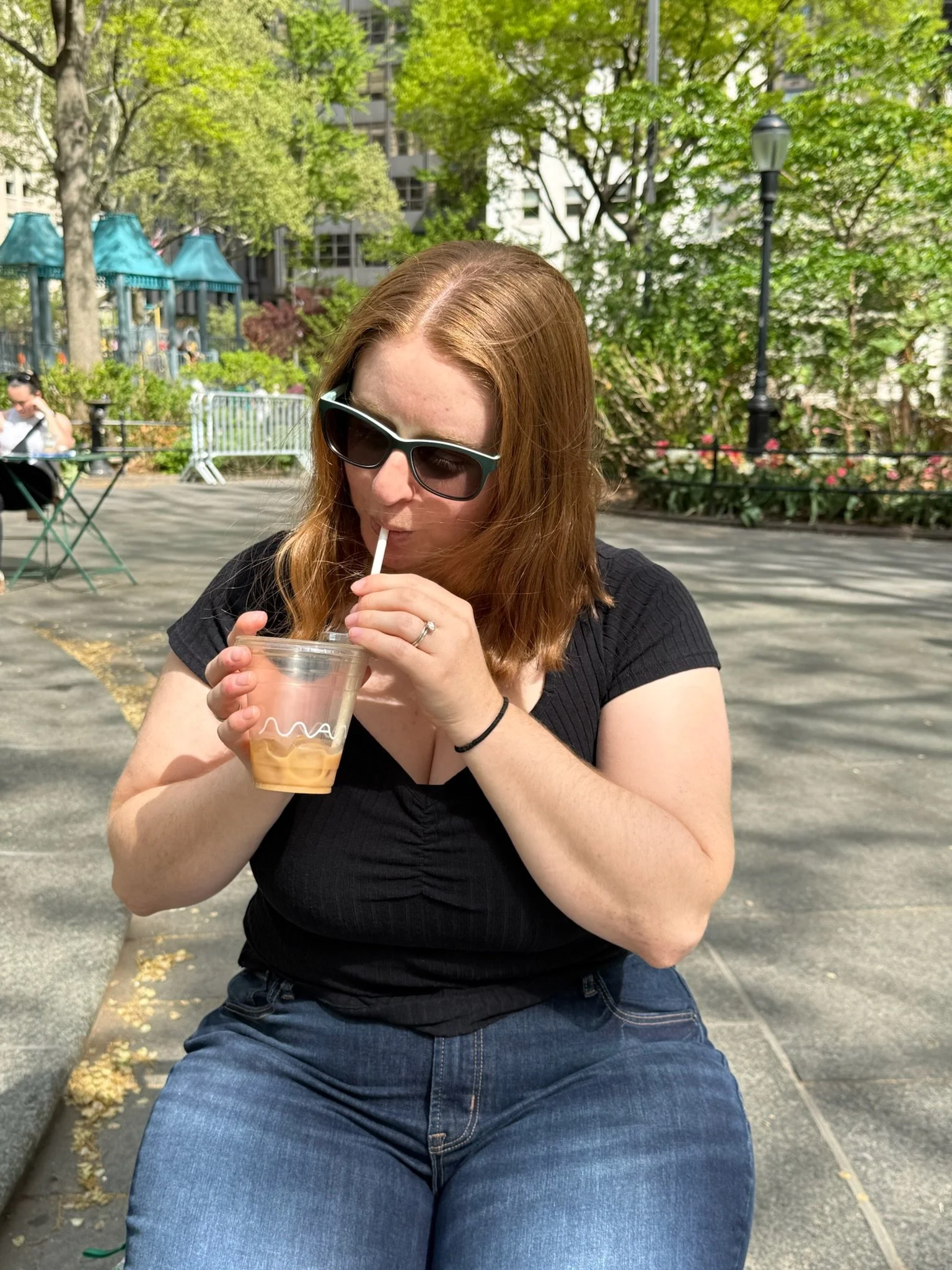
Lily is the founder of Thrope Therapy, a boutique group practice in Midtown Manhattan specializing in eating disorders, body image, and related concerns. She is a licensed clinical social worker and certified intuitive eating counselor, and the founder of the Recovery Supper Club, a free monthly dinner gathering for people in recovery in New York City.

Adolescence is genuinely a complicated time for food and bodies. Teenagers are undergoing real physiological changes. They are developing their own identities and testing independence, including around food choices. They are swimming in a social media environment that is saturated with diet culture, fitness content, and body commentary. Some food experimentation and self-consciousness about appearance is developmentally typical. This makes it genuinely hard to know when something has shifted from normal teenage behavior into something that warrants real concern. The line is not always obvious, and teenagers are often skilled at minimizing what is happening, whether or not they are doing so consciously.

In New York City, most therapists list eating disorders as one of many things they treat. You will find eating disorders alongside anxiety, depression, relationship issues, life transitions, and trauma on the same profile. That is not necessarily a red flag. A therapist can genuinely work well with a client whose eating disorder co-occurs with depression or anxiety. What matters is whether eating disorders are a genuine clinical focus, not just a checkbox. And there are ways to tell the difference.

Photo grief is the emotional response to images that evoke loss, longing, or sadness. This could be a photograph of someone who has passed, a memory of a place or time that’s gone, or even pictures of yourself that bring up complicated feelings about identity, body image, or life changes. Photos can be a physical representation of so many emotions that live under the surface. Sometimes seeing a photo can evoke stronger emotions than when you think about the past. Seeing the physical memory can be really powerful.

Many people think of eating disorders as primarily about food, weight, or body image. While these are part of the picture, the reality is that eating disorders are complex mind-body conditions, strongly influenced by the nervous system. The nervous system plays a critical role in how we experience hunger, fullness, emotion, stress, and safety. Understanding this connection helps explain why eating disorder behaviors are so compelling, and why recovery is often non-linear.

Orthorexia nervosa is an eating disorder characterized by an obsessive focus on eating what one perceives to be perfectly healthy or pure food. Unlike anorexia, which is primarily about restriction for the purpose of weight loss, orthorexia is about purity and control. The person is not necessarily trying to lose weight. They are trying to eat correctly, and the definition of correctly becomes increasingly narrow and rigid over time. Orthorexia is not currently listed as a formal diagnosis in the DSM-5, but it is widely recognized by eating disorder clinicians and researchers as a real and clinically significant pattern that causes genuine harm. The absence of a formal category does not mean it is not real or that it does not deserve treatment.

One of the most important things I can do as an eating disorder therapist in New York City is help people understand the difference between overeating, which is a normal human experience, and binge eating disorder, which is a clinical condition that deserves real, specialized treatment. Because one of the most consistent patterns I see is people spending years suffering through something treatable because they have convinced themselves it does not qualify as a real problem.

ARFID stands for Avoidant/Restrictive Food Intake Disorder. It is an eating disorder, and it is one of the most commonly misunderstood ones because from the outside, it just looks like a very picky eater. But picky eating and ARFID are not the same thing. Picky eating is common in childhood. Kids go through phases where they refuse vegetables, or will only eat beige foods, or suddenly decide that chicken is disgusting after eating it happily for years. This is developmentally normal and usually resolves on its own over time. ARFID is different. With ARFID, the avoidance of food is not a preference or a phase. It is driven by fear, sensory distress, or a deeply conditioned anxiety response around certain foods. The experience of eating certain textures, smells, colors, or temperatures is genuinely distressing, not just unpleasant.

Recovery Supper Club creates something different. It’s a space where participants can show up exactly as they are with no body talk, no diet talk, and no performative wellness. Just a connection. Community is a powerful protective factor in eating disorder recovery, and we intentionally center relationships that extend beyond food and weight.

If there’s one thing I emphasize over and over again, it’s this: eating disorder treatment is rarely a solo endeavor. Eating disorders often intersect with ADHD, trauma, ARFID, medical instability, and significant body image distress. As outpatient therapists, we have to constantly ask ourselves not just “Can I manage this?” but “Who else needs to be involved to best support this client?”
For decades, weight has been treated as a primary indicator of health. In medical settings, schools, media, and wellness spaces, body weight, often summarized through BMI, is frequently used as a shorthand for wellbeing. This approach can feel straightforward, but it is deeply flawed. Weight is a single data point that tells us very little about a person’s physical health, mental health, or overall quality of life. For individuals with eating disorders or disordered eating, weight-centric models can be especially harmful.

Orthorexia often begins with a desire to feel better, have more energy, or “take care” of one’s body. Unlike other eating disorders, it is frequently praised, by friends, family, and even healthcare providers. This is one of the trickiest disordered eating patterns to notice because it can be so easily written off as a version of super health.

On January 11th, 2026, I became a first-time marathon finisher. Saying these words still feels surreal. So many moments leading up to the marathon felt like tests of my belief in myself. Why did I think I could do this? Why did I sign up? This last year was particularly difficult due to a couple of impactful medical conditions, and I wasn’t even sure it was safe for me to train at shorter distances, much less complete a full 26.2 miles.

For teens today, social media is a central part of life. Platforms connect friends, provide entertainment, and offer self-expression. Yet, research increasingly shows a connection between social media use and depressive symptoms in adolescents. While social media itself is not inherently “bad,” certain patterns of use can amplify anxiety, self-comparison, and feelings of inadequacy, all of which contribute to teen depression.

If you’re a parent or caregiver of a teen reader, they may have come across spicy novels either on their social media feed (ones like “Heated Rivalry” are hard to miss) or right in the bookstore. They very well could be reading them, too. There’s a variety of reactions parents might find themselves having to this scenario, but it’s important to keep in mind that there are many reasons teens could be drawn to these types of books. (And, if we’re being honest, many of us can probably remember reading “spicy” books in secret as teens ourselves.)

Everyone experiences worry from time to time. For some, worry becomes constant, a mental loop that interrupts sleep, focus, and daily life. Overthinking can make even small decisions feel overwhelming, leaving people exhausted and anxious. Chronic worry is more than just “thinking too much.” It’s a persistent state of heightened alertness, often tied to underlying anxiety, perfectionism, or past experiences. Understanding why it happens is the first step toward managing it.
Feeling distant doesn’t always mean being alone. Sometimes it means sitting in a room full of people and feeling like a ghost... unseen, disconnected, and quietly overwhelmed. In this episode, we talk with therapist and practice owner Lily Thrope about what emotional distance really looks like, why it so often shows up during the holidays, and why loneliness is one of the most misunderstood feelings we carry.

Setting goals can feel exciting, overwhelming, or even intimidating. Many of us jump into goal setting with high expectations, only to feel discouraged if we don’t meet them perfectly. But goal setting doesn’t have to be rigid or punishing, it can actually be healing, empowering, and deeply aligned with your values when approached with the right mindset. One of the most powerful tools for intentional goal setting is journaling. Writing things down connects your thoughts, your body, and your emotions in a way that makes your goals feel more tangible and possible. When your goals live only in your head, they can feel fleeting or unclear. But when you put pen to paper, your vision gains structure and a sense of commitment.

At Thrope Therapy, we love this definition because it reminds us that mindfulness isn’t about clearing your mind, being “perfectly calm,” or practicing for hours on end. It’s about being present with yourself, noticing your experiences without judgment, and treating yourself with compassion. One accessible way to build mindfulness is through journaling. While many people connect mindfulness with meditation, journaling offers an active, tangible way to pause, reflect, and practice presence. Writing allows you to slow down, observe your inner world, and meet your emotions with curiosity instead of criticism.

Healthy relationships don’t exist in isolation—they reflect how we see ourselves. Your self-esteem, your sense of self-worth and confidence, plays a critical role in the quality, balance, and resilience of your relationships. At Thrope Therapy, we’ve seen how strengthening self-esteem can transform the way clients engage with others, create boundaries, and foster meaningful connections

The holiday season is often painted as the “most wonderful time of the year.” Between festive meals, family gatherings, and cultural traditions, it’s a time that many look forward to. But for those in eating disorder recovery, this season can feel complicated, overwhelming, or even isolating. With so much emphasis on food, body image, and routines that get disrupted, the holidays can bring up stress and triggers that challenge even the strongest recovery journey. The good news is: you are not alone, and there are ways to approach the season with more compassion and support.

For so many of us, especially those healing from disordered eating, chronic dieting, or body shame, shopping isn’t “just” shopping. It’s a mirror to all the body image stories we’ve internalized over the years. Stories that hold pain, sadness and doubt. When clothing doesn’t fit the way we expect, it can activate feelings of failure, fear, and unworthiness. This is not your fault. These reactions are learned from a culture that teaches us to equate thinness with value and control with morality. But there are ways to meet these moments with more compassion and grounding.

Many of us are far harsher on ourselves than we would ever dream of being toward someone we love. We might replay mistakes, criticize our bodies, or pressure ourselves to “do better” in a way that leaves little room for compassion. But what if you spoke to yourself the way you’d talk to a child or even your younger self? This shift in self-talk isn’t just about being “nicer” to yourself. It’s a powerful tool for healing, self-esteem, and emotional regulation.

Healthy relationships, whether romantic, familial, or friendships, are built on more than shared interests or time spent together. At the core of any strong connection is effective communication. How we express our needs, listen to others, and navigate conflict has a direct impact on the quality and longevity of our relationships.

As a therapist, I don’t see myself as being in the business of giving advice. My role is less about prescribing solutions and more about creating space for clients to discover what is already within them. That said, if I had to distill what I most often share, it would be this: The guidance you need does not come from the outside world. It comes from within.

When you think about your body, what comes up first? For many people, the answer is criticism. Maybe it’s wishing your stomach looked different, comparing yourself to others on social media, or replaying an old comment someone made about your weight. This constant self-monitoring is part of what psychologists call body image, the way we think and feel about our physical selves. At Thrope Therapy, our New York–based practice, we often see how much time, energy, and self-worth get tied up in body image. The good news is that you can work toward a more compassionate, balanced relationship with your body and it doesn’t require “loving” how you look every day.

Relationships can be complicated, and for LGBTQ couples, there are unique challenges that require specialized support. LGBTQ couples can be navigating identity questions, sexual orientation, family dynamics, or societal pressures. Finding a therapist who specializes in working with LGBTQ relationships is essential to getting great care.

We believe that every client is the expert of their own story, and our role is to create a therapeutic environment where that expertise is honored and centered. Rather than imposing one definition of health or recovery, we walk alongside clients as they define what healing looks like for them. Utilizing a health at every size approach allows our clinicians to help clients connect with an understanding of health that fits their individual values.

Imagine this: You open your fridge after a long day and immediately hear two voices in your head. One says, “Be good, just have a salad.” The other says, “You deserve to order takeout after the day you’ve had.” By the time you sit down to eat, you feel overwhelmed, stressed, and guilty no matter what choice you make.
This inner tug-of-war is common for people who have been influenced by diet culture. Food becomes less about nourishment or enjoyment and more about rules, shame, and control. And when diets fail (as they almost always do), many people blame themselves instead of questioning the diet in the first place.
At Thrope Therapy, our New York–based practice, we support individuals who want to stop fighting with food and their bodies. One of the most effective and compassionate frameworks we use is Intuitive Eating, a practice that helps people rebuild trust with themselves and find freedom in their relationship with food.

The air is cooling, the days are shortening, and store aisles are lined with fresh notebooks and colorful pens, that familiar sign that it’s time to go back to school. For some students, this season feels exciting: a chance to reunite with friends, step into new opportunities, and embrace a fresh start.
But for many others, the back-to-school season brings anxiety. It might show up as sleepless nights, a knot in your stomach, racing thoughts, or a sudden drop in appetite. Even if you had a relaxing, carefree summer, the thought of returning to school can feel heavy. If this sounds familiar, you’re not alone. Anxiety during times of transition is incredibly common, and with the right tools and support, it doesn’t have to take over.

Eating disorders are complex mental health conditions that affect millions worldwide, transcending age, gender, and cultural boundaries. They are not simply about food but involve a range of psychological, physical, and social issues. Supporting a loved one through this struggle can be challenging, requiring understanding, patience, and knowledge of the right approaches to truly make a difference.
We often hear about dopamine as the brain’s “feel-good” chemical. But what exactly does that mean, and how does it affect behaviors like eating or seeking pleasure in other ways? For many people, understanding dopamine can shine a light on why we turn to certain habits, and how we might create healthier, more balanced sources of joy in our lives.

Anxiety and depression can feel overwhelming, affecting not just your mind but your body, relationships, and overall quality of life. While traditional therapy and medication are effective for many people, a holistic approach can complement treatment by addressing the whole person, mind, body, and lifestyle.

Lily was featured on Amy Goeckel’s podcast, The Eating Disorder Diaries Podcast:
Amy opens up about her own recent struggles with doomscrolling (especially since becoming pregnant) and how the constant stream of anxiety-inducing content has impacted her mental health and recovery. From pregnancy fears to subtle body comparison traps, she reflects on how quickly social media can shift from entertaining to harmful.
To help unpack all of this, Amy is joined by Lily Thrope, a therapist and founder of Thrope Therapy who specializes in eating disorders, body image, and intuitive eating.

When clothing doesn’t fit the way we expect, it can activate feelings of failure, fear, and unworthiness. This is not your fault. These reactions are learned from a culture that teaches us to equate thinness with value and control with morality. But there are ways to meet these moments with more compassion and grounding.

Trauma can occur when a person perceives danger, or experiences danger, it is the response to the experience that is trauma. Trauma does not always present the same and is not usually what we see depicted in the movies. It doesn’t only come from extreme or life-threatening events, it can also come from chronic stress, medical experiences, relationship wounds, or times when you didn’t feel safe, seen, or supported. For many people, trauma isn’t about what happened, it’s about how your body and nervous system had to respond to survive.

Have you ever felt trapped in a cycle of dieting, guilt, or food anxiety? You are not alone, and there’s a different way forward. At Thrope Therapy, we support clients in cultivating a healthier, more compassionate relationship with food through a powerful approach known as intuitive eating.
What is intuitive eating, and how can it help you stop dieting and start trusting your body? Intuitive eating is a self-care framework for eating that is gentle and prioritizing the individuals needs.

It’s hard to miss: the low-rise jeans, the hyper-thin aesthetic, the influencers promoting restrictive routines disguised as “wellness.” The early 2000s thinfluencer vibe is back and it’s causing serious concern for anyone who’s working to heal their body image, recover from an eating disorder or navigate aging.

One of the most challenging and often overlooked parts of healing from an eating disorder or navigating chronic health issues is coping with body changes. Whether those changes are a result of recovery, aging, illness, or shifts in lifestyle, they can stir up complex emotions. Many people feel overwhelmed by the discomfort, grief, or frustration that comes with living in a body that no longer looks or feels familiar.

Let’s face it: society’s beauty standards are impossible. They're narrow, ever-changing, and built to keep people feeling like they're never quite enough. The good news? You don’t have to subscribe to them. You get to choose what you believe and this can be an ever changing thing to discover and explore. Challenging societal beauty standards and cultivating a positive body image is entirely possible for you. With the right tools, support, and a lot of self-compassion you can challenge stuck beliefs and form new ones that serve you.

We all have days when looking in the mirror feels heavy, when body image thoughts creep in and shift how we feel about ourselves. These moments can be frustrating, emotional, and disorienting. These body image thoughts don’t have to define our day or derail our relationship with ourselves. One of the main goals of healing from body image distress is discovering that these thoughts can come up quickly and can also pass quickly. It is possible to release the tension and stress around the difficult thoughts and move forward with a more positive relationship with your body.

Body image healing doesn’t happen in a vacuum. While personal growth is often portrayed as a solo endeavor, the reality is that healing our relationship with our bodies is deeply relational. That’s why support groups and safe spaces play such a powerful and necessary role for anyone working through body image challenges, eating disorder recovery, or even just trying to unlearn the harmful messaging of diet culture.
If you’ve ever felt isolated in your journey, like no one around you understands what it means to reject body shame or work toward body neutrality, you’re not alone. You don’t have to face this alone or do the hard work of recovering alone.

There’s a unique kind of pain that comes from seeing a loved one pursue weight loss, especially if you’ve worked hard to heal your relationship with food, your body, and your self-worth. For those in eating disorder recovery or moving away from diet culture, the growing popularity of GLP-1 medications like Ozempic and Wegovy presents an emotional minefield. In NYC we see the ads plastered all over the subway. The experience of seeing ads that rely on self-date and desire to change makes me incredibly sad and frustrated. It feels like we jumped back YEARS in the body positivity movement.

Negative thoughts about our bodies can be overwhelming. Sometimes these negative thoughts can take up so much mental space that they interfere with daily life. If you’ve found yourself constantly battling your reflection, avoiding your body, or feeling consumed by self-criticism, you are not alone. You are worthy of peace and it starts by rethinking what it means to truly care for yourself. Redefining what freedom from body image thoughts looks like and practicing that peace.

“This viral mindset shift is taking over social media, but is it really good for your mental health? Let’s talk.
What is the “let them” theory?
Mel Robbins’ viral concept says:
If someone leaves? Let them.
If they judge you? Let them.
If they don’t support you? Let them.
It’s about letting go and focusing on yourself—but therapists have mixed opinions.
Therapists agree: this theory can be life-changing:
Reduces anxiety—Stop overanalyzing what others think.
Encourages boundaries—No more chasing people who don’t respect you.
Fosters self-acceptance—Focus on your happiness, not external validation.
But beware…it’s not always that simple.

Lily was featured on Sindee Gozansky’s podcast, Heart-Centered Therapist Podcast:
In this episode of the Heart-Centered Therapist podcast, host Sindee Gozansky welcomes Lily Thrope, LCSW, the founder of Thrope Therapy in Manhattan. Lily, a certified intuitive eating counselor, shares her expertise in supporting individuals with eating disorders, body image concerns, and related mental health issues. The conversation covers the role of community in recovery, Lily's personal experience with an eating disorder, and her therapeutic approach.
She also highlights her innovative Recovery Supper Club, a supportive dining experience for individuals in eating disorder recovery. The episode offers valuable insights for therapists interested in working with eating disorders and provides encouragement for those unsure about seeking help for disordered eating.

Whether it’s navigating bad body image days, coping with negative thoughts, or finding ways to cultivate a more positive body image, Lily’s insights offer a great starting point for anyone struggling with their own body image.

Do you find yourself feeling scattered, distracted or simply all over the place? In our busy lives, we often forget to take time to pause, momentarily, briefly rest and ask ourselves: How am I really doing? A helpful method for asking yourself this question is by pressing that pause button and considering these emotions through regular mental health check-ins and self-reflection. By practicing these habits, you develop a stronger sense of self-compassion, improve your emotional regulation, and expand your self-awareness.

Social Anxiety Disorder (Social Phobia) is the severe fear of rejection or embarrassment, especially in social settings. Social Anxiety Disorder can make it difficult to engage in basic activities like talking with strangers, dining in public, making phone calls, speaking up in class, or attending social events. While it is often quite normal to feel butterflies before going on a first date, Social Anxiety Disorder is far more than just shyness and nerves. If you find that your anxiety is interfering with your routine and daily life activities, it is quite possible you are dealing with Social Anxiety Disorder.

As a licensed clinical social worker and founder of Thrope Therapy LCSW PLLC a group private practice in NYC, I have a deep appreciation for the “Let Them” theory and think it has roots in a few psychotherapy modalities.
The “Let Them” theory is a form of “radical acceptance,” which is a skill used in Dialectical Behavior Therapy (DBT). “Radical acceptance” means fully and completely accepting reality as it is, without fighting, denying, or judging it, even when reality is painful or difficult. DBT skills like mindfulness, emotion regulation and radical acceptance are a great foundation for being able to practice the “Let Them” theory. The theory relies on an individual’s ability to use those skills to notice when they are worrying about what others think or do. Mindfulness is essential when working on any personal growth.

Social media is an important part of our culture. It is a method of staying in contact with friends and family, keeping up with our favorite celebrities, and staying updated on what is going on in the world. However, too much screen time can contribute to feelings of stress and anxiety. Research has shown that young adults who use social media are three times more likely to be depressed. If you find yourself feeling the weighing effects of too much social media use, consider how you can use social media more mindfully. In managing your social media use, you can help reduce your stress levels, improve your mood and give you a better sense of emotional wellbeing. Disconnecting from social media can feel impossible, but it doesn’t have to be.

If you are reading this blog, you might have a friend, family member, or loved one who has an eating disorder. The desire to support them is there, but finding the right words and actions can be scary and uncertain. However, your role as a support person is invaluable – research consistently shows that strong support systems significantly improve recovery outcomes for individuals with eating disorders. Understanding how to be there for someone with an eating disorder isn't always intuitive, but with compassion, patience, and the right resources, you can make a meaningful difference in their path to recovery.

Many misconceptions and misunderstandings persist when it comes to seeking help from psychotherapy, including its purpose, its processes, and its candidates. These misconceptions tend to create obstacles for individuals who might potentially benefit from treatment, thereby preventing them from seeking help and support. It can require a lot of courage to pursue and seek out treatment, so it is helpful and informative to challenge these typical myths.

Recovery Supper Club is a monthly gathering for adults in stable recovery from eating disorders and chronic dieting. We understand that recovery can be a long and often isolating journey. While most treatment programs conclude around the time of weight restoration, the true emotional and psychological work often begins afterward. Navigating a world steeped in diet culture and disordered eating can be challenging, but you don’t have to do it alone. This space is designed to support you, providing connection, community, and a judgment-free environment where you can stay true to your recovery values.

Anxiety is a common emotional struggle experienced by many individuals. For some, anxiety can manifest as a distressing burden that weighs heavily on the mind and heart. Most people have experienced anxiety at points in their life, whether it be the jumble of nerves before a job interview, or a rapid heartbeat before an important doctor's appointment. In some cases, having a little bit of anxiety can be healthy and a form of motivation and drive. However, if you find your anxiety to be disrupting your daily life and ability to cope, it is possible you are struggling with an anxiety disorder.

Taking the first step toward therapy can feel terrifying—you might not know what to expect, how it will go, or if it will even work. While seeking mental health support is one of the most empowering decisions you can make, it's completely normal to have questions and concerns before your first session. Whether you're feeling a mix of excitement and anxiety or unsure about opening up to a stranger, you're not alone—these feelings are shared by many first-time clients. Keep reading to explore how you can overcome these typical worries and face therapy head-on.

Feeling down or cranky is part of the human experience - we all have our ‘off’ days. But sometimes these feelings might be an indication of something deeper going on that might benefit from professional support. Many people question whether therapy is right for them, and that is a normal question to ask oneself. While everyone's journey is unique, there are some key signs and changes in your life that might point toward talking to a therapist.

Body-checking is the compulsive act of looking at, and scrutinizing your body. This manifests as an obsessive preoccupation with your appearance and repeatedly checking your body image in mirrors or reflective surfaces, using scales or tape-measures to keep track of weight and measurements, repeatedly evaluating how your clothes look, pinching skin, among other self-destructive behaviors. In today’s social-media and appearance-world, it is easy to compare ourselves to others, especially with regard to our bodies. While body-checking might be a temporary method of attempting to feel better about certain areas of your body, it can ultimately lead to distorted perceptions and greater feelings of loss, judgment, depression and obsessional behavior.

What is Urge Surfing? Urge surfing is an effective visual mindfulness technique for controlling undesirable behaviors. It is especially useful in binge eating recovery. How do I Use Urge Surfing?Urge surfing is a way of ‘riding’ out cravings, in a safe and attuned manner. The first step is to label the sensation as you begin to feel the urge or craving. For example, you may desire to binge at the end of a stressful day or after a fight with a friend. If you are able to, move yourself to a quiet space and relax your eyes.

Sometimes we find ourselves feeling overwhelmed, stressed, or just a little blue. While it’s completely natural to experience occasional dips in mood, finding simple, natural methods to lift your spirits can potentially improve your day. Whether you’re dealing with a particularly stressful week, or just want to generally feel more positive, there are many natural and effective strategies to help boost your mood without relying on quick fixes. See below for 10 simple and natural ways to brighten your day, energize your mind and leave you feeling much better.

Journaling is a common practice used to process emotions, thoughts and feelings. It is a great self-care tool and especially helpful in times of high stress or crisis. Journaling offers a powerful way to nurture our mental health, process emotions, and gain clarity about our inner world. The following guide provides thoughtful prompts to help you develop a meaningful journaling practice that supports your mental wellness journey. So grab a pen and a notebook, find a relaxing space, and get started!

What are boundaries?
Boundaries are essentially healthy restraints applied to emotional or physical actions to ensure and promote harmony and balance in relationships. There are several categories of boundaries:
Personal boundaries: Relating to your individuality and self-preservation.
Physical boundaries: Regarding personal space and physical contact.
Emotional boundaries: Protecting and advocating for your feelings and sustaining personal emotional energy.
Sexual boundaries: Ensuring mutual respect and consent in intimate relationships.
Financial boundaries: Managing financial expectations and responsibilities.

Have you ever heard of DBT (Dialectical Behavior Therapy)? If so, you may know about the STOP skill. STOP is an acronym for: stop, take a step back/take a breath, observe, proceed mindfully. The primary purpose of the STOP method is to handle crises more mindfully. Developed from mindfulness and meditation practices, this technique suggests an accessible way to ease depression and anxiety, improve emotional regulation and increase self-awareness.

You might be familiar with visualization techniques, a very helpful way of managing anxiety and panic. What's really cool about visualization approaches is that they engage the same neural networks as if you were watching the action in real time. Studies have shown that visualization exercises can help regulate emotions, increase feelings of relaxation and reduce physiological stress responses - and the best part is that it’s so easy to do. Here are three visualization techniques to try next time you find yourself in a moment of anxiety or panic:

Self-compassion is about being kinder and more empathetic to oneself. Many people can do this for others, but it can be difficult to do for themselves. It is easy to engage in self-loathing, shame, and self-inflicted anger; to self-criticize and overthink difficult moments, but, truth be told, we're only human. Establishing self-compassion skills can help us have better self-esteem, stronger personal growth, and a brighter outlook on our lives.

While we may refer to it as the “most wonderful time of the year”, the holidays can bring stress, anxiety, and even dread. According to the National Alliance of Mental Health, 64% of people with an already existing mental illness note that holidays exacerbate their symptoms. There are many reasons why we may find ourselves becoming more anxious: more time spent around family, unmet expectations, fatigue, grief and loss, financial stress, among other things. While there are many wonderful aspects about the holiday season, we must acknowledge the added pressure it brings. If you feel anxious about this year’s holiday season, know you are probably not alone. Here are a few tips:

The holidays often bring situations where more time is spent around family. It can be comforting, festive and wonderful and equally stressful and anxiety-inducing. Tense relationships, family drama, and/or unresolved conflicts can make spending holidays with relatives challenging. These events can be especially difficult if you find yourself struggling to align with your family’s viewpoints and opinions. If you are looking for some peace during this holiday season, grounding exercises can help you stay calm and present. When navigating hectic schedules, family dynamics, or the pressure to plan the perfect meal, there are simple practices to ground us and enable us to enjoy the season more fully. See below for a few ideas:

Lily Thrope was featured on Lauren Bongiorno’s podcast, Reclaim Your Rise:
The Realities of Eating Disorders and Body Image Struggles for Type 1 Diabetics with Lily Thrope, LCSW
In this week’s episode, I’m joined by therapist and childhood friend Lily Thrope!
Lily Thrope, LCSW specializes in supporting individuals who experience anxiety, disordered eating, low self-esteem, relationship stress, and LGBTQIA-related issues. Through her work, Lily helps her clients find the confidence to face these issues and find ways to live their happiest and most authentic lives.
In this intimate convo, we talk about…
Why people with T1D might have a predisposition to struggle with disordered eating
What the term “Food Freedom” means for diabetics
How we worked through our personal disordered eating journeys to foster a healthy relationship with our bodies, find balance with food, and discover self-love.

Lily Thrope was featured in two episodes of Caitie Corradino’s podcast, Whole, Full, & Alive:
Eating Disorder Recovery Q&A and Living an Authentic Life with Therapist Lily Thrope
Things We Dive Into In This Episode:
Is FULL recovery from disordered eating and body dysmorphia even possible?
How did we know when we were recovered?
What is a good definition of "health?"
Listen to the podcast here.
Why Eating Disorders Go Unnoticed and How to Heal in a Way that Works for You with Lily Thrope
Things We Dive Into In This Episode:
Why eating disorders often go unnoticed and how fitness culture contributes to them.
Why eating disorder recovery is personal; no single solution works for everyone.
How you can use therapy, nutrition therapy, and other modalities to sit in discomfort and ultimately heal from food anxiety and eating-related challenges.

Lily Thrope was featured on Meg McCabe’s podcast, Full and Thriving:
Am I Enough? Mastering Body Acceptance, Burnout and Constant Striving with Lily Thrope, LCSW
In this episode of Full and Thriving, we welcome special guest Lily Thrope, LCSW, a licensed clinical social worker and the founder of Thrope Therapy. Lily specializes in helping individuals heal eating disorders and body image issues, taking a compassionate and authentic approach.

Whether you are active on social media or not, it’s probably had an impact on your life in one way or another. Let’s be honest—most of us have a love-hate relationship with it, and it’s the same story when it comes to how it impacts our relationship with food and body image. But, hey, why delete Instagram when you can just add more stress to your life, right?
In this episode, I’m joined by Lily Thrope, a Certified Intuitive Eating Counselor and a Licensed Clinical Social Worker in NY, Massachusetts and Connecticut. Together, we’re diving into how social media can serve as a breeding ground for comparison, misinformation, and, surprise surprise, worsening self-esteem.


In today’s fast-paced world, escaping screens feels nearly impossible. Whether you are using them for work, school, or fun, screens consume much of our daily lives. While technology brings many benefits, it can also be overstimulating, draining, and cause disconnection from others. Striking a balance is crucial for mental health and overall well-being.

Neuroplasticity is the brain’s incredible way of changing and reorganizing itself through life. Traditionally, scientists believed that the brain was "fixed" after a certain age, but modern research has shown that the brain is changeable and adaptable, even as we age. Our brains will form new neural networks each day, but there are certain things you can do to stimulate growth. Here are a few exercises to improve and increase neuroplasticity:


In a society that's so consumption-focused like ours, it may feel impossible not to fill our space up with sparkly new things. However, once we make these purchases, our spaces begin to fill and we might feel overwhelmed by the clutter. The process of cleaning our personal spaces can feel very overwhelming, but a cluttered room or area can reflect a cluttered mind. Taking small steps, we can go through our things and declutter to ultimately find clarity in our space and mind. See below for some essential decluttering tips:

Emotional numbness can be described as feeling desensitized or disconnected from your emotions, your environment or surroundings. In life, there are different events that impact our emotions. Think about birthdays, holidays, large life events, relationship milestones, and losses. When a person experiences emotional numbness, they aren’t reacting to these moments and may well be protecting themselves from feeling them. Emotional numbness can be a defense mechanism, a place we go within our nervous systems to protect us from feeling all these emotions.

Are there certain topics that trigger your anxiety? Is there an environment or atmosphere that consistently overwhelms you? When we take care of ourselves, we need to be aware of places, people and things that cause us to feel badly. This is what ‘protecting your peace’ is all about. Knowing what might bring you down is important in managing your own well-being and emotional health. If you have difficulty protecting your peace, see below for a few tips:

With inclement weather, colder temperatures and the increased desire to stay inside, it can be hard to reach out and stay connected to friends and family. As a result, we may be missing out on essential social interaction. Withdrawal and isolation, particularly during the colder months, can negatively impact both our emotional and physical health. However, with a bit of planning, creativity, and commitment, you can maintain, even strengthen your social connections. See below for four tips on how to remain social and connected during colder times:

As the days grow shorter and temperatures drop, the transition toward winter often brings changes in mood, energy levels and overall well-being. While winter can be a time of holiday cheer and days off work, it can also be a time of darkness, isolation, and sadness. That’s why it's crucial to incorporate self-care into our routines. Here are six practical self-care tips to help you take care of yourself during the winter:

You may, upon occasion, feel a sense of dread towards work, become annoyed with a coworker, or just feel overwhelmed by all your responsibilities. When that happens, and it probably happens to everyone at one time or another, it’s likely the right time to take a mental health day– time to rest and relax, in order to be a more productive and happier, healthier person. Taking care of your mental health is as important as taking care of your physical health. Addressing your mental health is not a luxury, it is a necessity.

Being a caregiver often feels like a full-time job. Whether you are a parent caring for your children, a child caregiving for a family member or an older parent, a teacher, a nurse or a nanny, caregivers are important players who are especially susceptible to burnout. After a while, there might come a point where you hit the wall and the energy, compassion and wherewithal it takes can be seriously depleted. This is where compassion fatigue comes in, and it’s more common than you think.

An important way to boost your mental wellness is by establishing a consistent morning routine. For many people who struggle with mornings or long days, this might sound like a difficult feat. However, by starting your day with intention and positivity, you may set the tone for the remainder of the day. By prioritizing your mental health from the minute you get up, you invest in a happier, healthier self.

Panic attacks are overwhelming and can make anyone feel that they are trapped in a vortex of fear, physical sensations, and racing thoughts. In those intense moments, regaining control seems impossible. But grounding techniques are an effective way to refocus your attention away from anxiety and back to the present moment.

Teenage years are critical for growth, learning, and self-discovery, but they are often fraught with academic stress. Many teenagers struggle to find the balance between schoolwork, extracurricular activities, and social expectations, which causes stress and can have a negative impact on their academic performance and emotional well-being. As a parent or guardian, it can be difficult at times to know how to best support your teenager with academic stress. In this blog, we will discuss practical strategies for reducing academic stress and promoting success. From developing effective study habits to creating a supportive home environment, these suggestions will help you confidently and carefully support your teenager through the ups and downs of their academic journey.

We all experience numerous emotions each day but we can’t always pinpoint how or what we are feeling. Some emotions may be fleeting, while others may impact the rest of our day. While we may be able to acknowledge an unpleasant mood or feeling, we oftentimes have trouble identifying the source of this feeling. Fortunately, our thoughts are fueled by emotions, and vice versa. For each thought ask yourself, what is the emotion? When you can practice this, you can connect more deeply with yourself.

When speaking about eating disorders we usually hear about Anorexia Nervosa, Binge Eating Disorder and Bulimia, but what is ARFID? ARFID stands for Avoidant Restrictive Food Intake Disorder. ARFID most commonly develops in early childhood, however, an individual can experience onset at any point over the course of their life. ARFID can share a few characteristics with other eating disorders such as nutritional deficiencies and low weight, however, it has some differences as well. How is ARFID different from other eating disorders?

While life can be full of joyful moments, we will inevitably face difficult times. Job losses, health issues, break ups, illness, the list goes on. As we go through life, we can expect to encounter adversity, and this can take a toll on our mental health. That’s why it’s important to build resilience in one’s life. Resilience enables us to endure difficult life events and hopefully grow stronger. Developing resilience, by definition, is challenging but not impossible. If you are looking to establish resilience in your life, see below for a few suggestions:

In today's fast-paced world, finding constructive ways to take care of our mental health is critical. While traditional therapy has an important role, people are discovering the healing power of creativity as part of their journey toward a sense of wellbeing. Engaging in creative activities can help reduce stress, encourage mindfulness, process emotions, and improve overall health. There are endless ways to tap into your creative side — visual art, music, writing, dancing, photography and many other modalities. When you pursue a creative activity, your brain functions similarly to how it would during meditation or yoga. The state of ‘creative flow’ allows us to relax, press pause and momentarily melt into a moment of relaxation and calm.

In the age of adolescence, teenagers normally face impressionable and formidable life transitions. As a parent, you might be wondering how you can support your teenager in the face of these transitions. Whether it’s leaving for college or going to a new school, losing a friend or going through a breakup, change is an inevitable condition your teenager will face. Transitions are both predictable and unexpected, but one thing remains constant: the crucial role a parent plays in providing a solid support system. If you are wondering how you can help your teenager through big transitions, see below for a few suggestions:

So you’ve done the grueling research and chosen a therapist with whom you’d like to schedule an introductory session. You can expect your therapist to ask you some questions in an attempt to get to know you better, assess your issues and learn more about your therapeutic goals. Often, your first therapy session will be a continuation of an initial intake call, where you are still getting to know one another. Many people feel anxious about their first therapy appointment – and that is totally understandable. You might not know what to expect and it may seem odd and uncomfortable to disclose personal information to someone you have just met. Be assured that your therapist knows the initial session is for preliminary information and not about diving deep into your darkest thoughts right off the bat, so there is no need to worry. If you are wondering what types of questions your therapist may ask you during the first appointment, here are a few examples:

For many of us, work can be a major source of stress, anxiety, and pressure. Mental health is often negatively impacted by long work hours, strict deadlines, interpersonal conflicts, and/or ongoing pressure to perform at one's best. Compromised mental health inevitably leads to a variety of issues, such as lack of engagement, limited productivity and poor performance, as well as compromised communication. Studies have shown that depression can interfere with one’s ability to complete physical job tasks about 20% of the time and reduce cognitive performance about 35% of the time. See below for a few suggestions on managing mental health in the workplace:

Life can get stressful! Whether it’s work, dating, family or just trying not to sweat through your new shirt in the hot subway on the way to your office, stress often creeps into our lives and our bodies. Have you ever been going through a rough patch and started to cry in your pigeon pose or maybe even warrior two? Most of our stress and negative emotions are stored in our hips. By doing hip openers we’re letting go physically and emotionally. Below are four great yoga poses to slide into on days when life is feeling extra tense. You may want to have a box of tissues handy, just in case.

If you are currently reading this, you are likely looking for tips to find the right therapist. With so many therapists out there, finding the right person to work with can feel like a needle in a haystack. However, it’s not impossible to find a suitable therapist for yourself. Here are a few things to be thoughtful about when seeking a therapist:

For many young people, going to sleep-away camp is a memorable rite of passage. It's an opportunity to make friends, seek out new and fun activities, and live in a different environment away from home. Going to sleep-away camp might be your first time away for an extended period and this can provoke anxiety. While pre-camp jitters are normal, there are some ways to create a smooth transition to sleep-away camp and have a rewarding and positive experience.

Starting therapy can be intimidating, especially if you've never done so before. Even if you are aware it's something you want or need to do, that first session can bring up a lot of uncertainty about what the process will actually be like. If your first therapy appointment is coming up soon, here's a quick rundown of some things you can expect:

Living in New York City can be exciting, but the fast-paced lifestyle can also bring increased stress and anxiety for many residents. From busy, noisy streets to crammed subways and endless to-do lists, the constant stimulation of the city that never sleeps can take its toll. According to the American Psychological Association, 87% of New Yorkers say that stress has a strong impact on their personal health. It's true that even the most resilient New Yorkers can find themselves overwhelmed in this environment at times. Consider the following when managing the bustling New York City lifestyle:

Supporting someone close to you who struggles with mental health issues can at times be challenging and complicated. Many people worry that they don’t know how to go about it or that they will exacerbate the issue. These are normal concerns, but supporting someone–be it a friend, a partner, a child or a parent– on their mental health journey, may benefit the both of you. Your loved one will likely appreciate the support during a time that they may feel confused, isolated and alone.

Body image is a combination of feelings and thoughts that you may have about your body. A person's subjective perception of their body can range from positive to negative, and they can feel both positive and negative emotions at different times. Both internal (inner life/personality) and external (social environment) elements impact one’s body image. Having a more positive view of your physical body includes self-acceptance and self-appreciation, while also focusing on self-care. In our world of relentless comparisons and unrealistic beauty standards, it can be difficult to feel good about the way we look. Working towards that goal is a process, but it is not impossible. Here are some helpful suggestions to start creating a positive body image:

Feeling anxious or overwhelmed is a common human experience, and many of us are feeling it. For some, anxiety becomes excessive, persistent, and disruptive to daily life. If you struggle with anxiety, you are not alone. The good news is that there are many practical methods for managing anxiety and encouraging a feeling of well-being. Here are some viable tips for managing anxiety and promoting a calmer mind:

New York City is one of the most crowded and bustling cities in the US. It is a great place to meet new people, try different things, eat unique food, and explore the many opportunities the city offers. However, it can also be overwhelming, especially for folks with social anxiety. Social Anxiety Disorder can be defined as an intense and persistent fear of being judged by others. Social Anxiety Disorder can interfere with basic daily life activities, like going to the grocery store or filling up your gas tank. With its constant sirens, jackhammers and relentless honking horns, New York City can seem like the most intimidating place in the world. Whether you are a newcomer to the city or a longtime resident, here are some helpful strategies for managing social anxiety:

Since the COVID-19 pandemic, there has been an increase in the need for mental health services, particularly among young adults. Despite this uptick in demand for mental health support, the supply of providers in New York has not kept pace with greater need. Teletherapy helps bridge this gap by giving New Yorkers more options to access care quickly, comfortably and efficiently.

When the weather is cold and the days are darker, it can be challenging to keep up a happy and upbeat mindset. The ‘winter blues’ are quite normal and many people experience feelings of sadness and loneliness during the chillier months. A more severe form of the ‘winter blues’ is known as Major Depressive Disorder (MDD) with seasonal patterns. MDD with seasonal patterns is a well-defined clinical diagnosis that can occur in the darker, colder months. According to the American Psychiatric Association, about 5% of US adults experience MDD with seasonal patterns. Symptoms can include fatigue, excessive sleep and lack of interest in normal activities. Here are a few effective tips to manage both winter blues and MDD with seasonal patterns:

As the New Year approaches, many begin contemplating resolutions - losing weight, earning more money, or eating healthier are some of the most common ones. Suddenly, it’s February, and life is catching up with you. You've ditched your resolutions, and now you feel like a failure. Research shows that over 80% of New Year’s resolutions fail by mid-February. Rather than setting yourself up for disappointment, here are three reasons why you might be better off skipping resolutions this year.

You may be familiar with the term “holiday blues” - this saying describes feelings of sadness and anxiety that might crop up around the seasonal holidays. The holidays can bring up many different emotions—happiness and cheer—but also anxiety and dread. According to the National Alliance of Mental Health, 64% of people with an already existing mental illness note that holidays exacerbate their symptoms. We may find ourselves feeling more anxious around these times for a variety of different reasons.

Thanksgiving is a time of celebration and gratitude, but for many people, especially for people recovering from an eating disorder, the holidays can be daunting and create real anxiety. Food-centered holidays, like Thanksgiving, can be especially difficult. It is completely understandable that this time of year might bring up feelings of uneasiness, fear, or even sadness. Although these moments might feel especially challenging, you can still celebrate and have a wonderful holiday season, even in recovery.

In the United States, around 30 million people are struggling with an eating disorder. This is a massive number that includes people of any age, ethnicity, socioeconomic level and gender. When it comes to eating disorders, there are many misconceptions and assumptions that have harmful impacts on the way we see ourselves in society.

My favorite definition of mindfulness is "mindfulness is paying attention to your life, here and now, with kindness and curiosity." (Amy Saltzman) Mindfulness can be accessed through journaling that is non-judgmental. A journal is a safe space to practice paying attention to your life and emotions, here and now. Journaling can be a mindfulness experience that people find more comfortable than meditation. It is an active form of mindfulness which for some is more accessible. Journaling and mindfulness both reduce stress and anxiety as well as help a person gain a sense of self reliance and confidence. Being able to support yourself through challenging emotions or issues in your journaling is really helpful in building a strong relationship with yourself and adding to your feelings or positive self esteem.
Have you ever felt a sense of renewed energy and elatedness after a long run or bike ride? This is because physical activity releases endorphins, endocannabinoids, dopamine and other feel-good chemicals in our bodies. According to the US Department of Health and Human Services, physical exercise has many well-established mental health benefits, including a reduced risk of anxiety and depression, enhanced brain health and cognitive function, providing a better night’s sleep, and overall improved quality of life. Increased physical activity also promotes higher self-esteem and self-confidence and can distract from negative, intrusive thoughts and boost moods.

Have you ever felt a sense of renewed energy and elatedness after a long run or bike ride? This is because physical activity releases endorphins, endocannabinoids, dopamine and other feel-good chemicals in our bodies. According to the US Department of Health and Human Services, physical exercise has many well-established mental health benefits, including a reduced risk of anxiety and depression, enhanced brain health and cognitive function, providing a better night’s sleep, and overall improved quality of life. Increased physical activity also promotes higher self-esteem and self-confidence and can distract from negative, intrusive thoughts and boost moods.
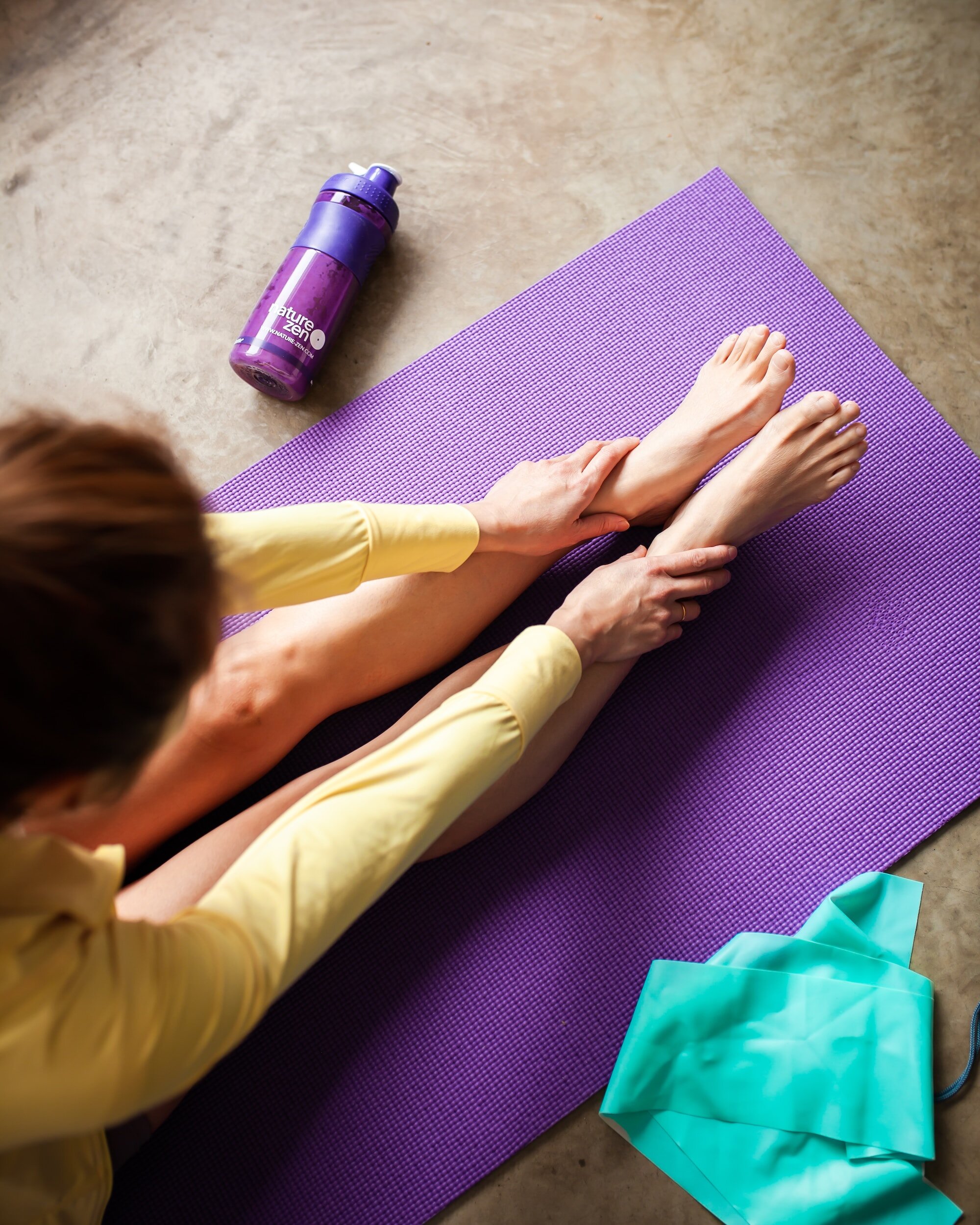
Have you ever felt a sense of renewed energy and elatedness after a long run or bike ride? This is because physical activity releases endorphins, endocannabinoids, dopamine and other feel-good chemicals in our bodies. According to the US Department of Health and Human Services, physical exercise has many well-established mental health benefits, including a reduced risk of anxiety and depression, enhanced brain health and cognitive function, providing a better night’s sleep, and overall improved quality of life. Increased physical activity also promotes higher self-esteem and self-confidence and can distract from negative, intrusive thoughts and boost moods.

The way we view and think about ourselves can be defined as self-esteem. Our self-esteem can be high, low or in the middle. It can ebb and flow depending on the context of one’s life. Having low self-esteem can resonate as a lack of self-confidence or seeing yourself as unlovable, unworthy, unacceptable, and a plethora of other lowly traits.

Having anxieties about a new school year is normal, and you are not alone. Many people face uneasiness with the transition from summer back to school. What’s most important are the steps you take to process these emotions. Getting back into the groove doesn’t have to be difficult, and there are things you can do to help ease the transition back to school.

Getting a good night’s sleep is an important aspect of managing our mental well-being. A poor night’s rest can negatively impact both physical and mental health. When struggling with depression and anxiety, it is critical to get the proper amount of sleep - especially good sleep! Sleep helps reset the body and allows us to function better in our day-to-day lives. The truth is we spend almost one third of our lives asleep, so it’s important to take it seriously. See below for some quick tips for better rest. These are all tips I practice myself - and I wouldn’t recommend them unless I thought they really help!

The way we view and think about ourselves can be defined as self-esteem. Our self-esteem can be high, low or in the middle. It can ebb and flow depending on the context of one’s life. Having low self-esteem can resonate as a lack of self-confidence or seeing yourself as unlovable, unworthy, unacceptable, and a plethora of other lowly traits.

Learn effective coping strategies for dealing with anxiety attacks in this blog post. Discover tips for managing symptoms such as mindful breathing, progressive muscle relaxation, talk therapy with Thrope Therapy, exercise, and self-care. Don't let anxiety attacks control your life - find the support and tools you need to manage your symptoms and improve your overall well-being.

At Thrope Therapy, we believe in supporting our clients in every way possible. That's why we've put together this comprehensive list of mental health and personal growth resources to help you on your journey.

Learn how intuitive eating can improve your relationship with food and your body, and reduce stress and anxiety. Discover the benefits of this empowering approach to food, and consider reaching out to Thrope Therapy, a New York-based therapy practice, for support and guidance.

Learn how to support a loved one with depression using these helpful strategies, including encouraging therapy, being patient, and practicing self-care. Discover the benefits of Thrope Therapy and how to recognize signs of suicide risk.

The new year can be a time full of many emotions.Hope for what is to come; relief that the holiday season is over; sadness and grief as the holidays serve to remind us of those we have lost; joy to have made it another year around the sun. For most of us, we have been taught to think of the new year as a time to set resolutions. While these resolutions can often indicate the change we are looking to make in our lives, most New Year’s resolutions will not make it past mid-January. Why is that?

Holidays can often be a challenging time for individuals in recovery from eating disorders. Many holidays in the upcoming months revolve around food, which can be triggering for people in all stages of the recovery process