Do I Have an Unhealthy Relationship With Food? Signs It May Be Time for Support
Do I Have an Unhealthy Relationship With Food? Signs It May Be Time for Support
Written by Lily Thrope, LCSW
When you think about eating disorders, you might picture someone who is severely restricting their food, visibly underweight, or engaging in behaviors like bingeing and purging.
But eating disorders and disordered eating don't always look the way we expect them to.
You don't have to have a diagnosis to struggle with food.
You don't have to be at a certain weight.
And you don't have to feel like your relationship with food is "bad enough" to deserve support.
Sometimes the signs are much quieter.
Maybe you think about food constantly. Maybe you feel anxious when you don't know what you'll be eating later. Maybe you have a list of foods you consider "good" and "bad." Maybe you regularly skip meals because you ate "too much" the day before. Maybe you exercise to compensate for what you've eaten.
Or maybe you technically eat a wide variety of foods, but you spend an enormous amount of mental energy worrying about what, when, and how much you're eating.
You may find yourself wondering:
"Is this normal?"
"Does everyone think this much about food?"
"Do I actually have a problem?"
The answer isn't always straightforward. But your relationship with food doesn't need to meet some imaginary threshold of seriousness before you are allowed to seek help.
What Does It Mean to Have an Unhealthy Relationship With Food?
There isn't one single way to have a difficult relationship with food.
For some people, it looks like restriction.
For others, it may look like binge eating, emotional eating, rigid food rules, fear around certain foods, or constantly trying to compensate for what they've eaten.
And for some people, the most distressing part isn't necessarily what they're eating, it's how much mental space food takes up.
A relationship with food may be becoming problematic when eating consistently creates distress, anxiety, guilt, shame, or a sense of losing control.
You might notice thoughts like:
"I was bad today."
"I need to make up for that meal."
"I can't eat that until I've exercised."
"I'll start eating normally again on Monday."
"I shouldn't be hungry yet."
"I don't deserve dessert."
"I need to be more disciplined."
"I have to lose weight before I can enjoy my life."
These thoughts can become so normalized by diet culture that you don't realize how much they're affecting you.
Signs You May Have an Unhealthy Relationship With Food
1. You have a lot of food rules
Maybe you've created rules around what you're "allowed" to eat, when you're allowed to eat, or how much you can have.
Perhaps you don't eat after a certain time.
Maybe you avoid carbohydrates.
Maybe you only eat foods you've deemed "healthy."
Maybe you've decided that you can have dessert only on certain days.
Food rules can create the illusion of control, but they can also make eating feel increasingly stressful.
2. You feel guilty after eating
Do you find yourself mentally reviewing what you ate?
Do you feel like you've done something wrong after eating a food you've labeled as "bad"?
Guilt can turn a completely ordinary experience, eating a meal, into a moral judgment.
Food isn't a measure of your character.
Eating a cookie doesn't make you "bad."
Eating more than you intended doesn't make you "undisciplined."
And eating a salad doesn't make you "good."
Food is food.
3. You compensate for what you've eaten
Compensatory behaviors can take many forms.
You might:
Skip your next meal
Exercise specifically to burn off food
Restrict your intake the following day
Avoid certain foods after eating something you consider "too much"
Weigh yourself to see whether your eating "affected" your body
Try to eat as little as possible before or after social events
You may not think of these behaviors as part of an eating disorder.
But they can be signs that you're stuck in a cycle of restriction and compensation.
4. Food takes up a lot of mental space
One question I often encourage people to consider is:
How much of your day is spent thinking about food or your body?
You may not be physically restricting yourself at all.
But if you're constantly thinking about what you're going to eat, what you already ate, whether you ate "too much," what you'll eat tomorrow, or how your body might change because of it, that's important information.
Your relationship with food isn't only about your behaviors.
It's also about the amount of mental energy those behaviors require.
5. You avoid social situations because of food
Do you turn down dinner invitations because you don't know what will be served?
Do you avoid restaurants because you can't control the menu?
Do you feel anxious about vacations because you won't have access to your usual foods?
Do you make plans around when you'll be able to eat?
When food anxiety begins limiting your life, it's worth paying attention.
You deserve to participate in your life without having to know exactly what every meal will look like beforehand.
6. You are constantly trying to change your body
Maybe you're always working toward a new weight goal.
Maybe you're waiting to buy clothes until your body changes.
Maybe you're avoiding photographs.
Maybe you're telling yourself that you'll finally feel confident once you lose weight.
Body dissatisfaction and disordered eating can reinforce one another. In some cases, efforts to change your body can become the very behaviors that keep you stuck in a difficult relationship with food.
And if you're constantly waiting for your body to change before allowing yourself to fully participate in your life, that's something worth exploring.
7. You don't trust yourself around food
Do you feel like you can't keep certain foods in the house?
Do you believe that if you start eating a particular food, you won't be able to stop?
Do you try to control your environment because you don't trust yourself to make decisions around food?
This can be especially common after years of dieting.
When you've spent a long time restricting foods, those foods can become incredibly charged.
Sometimes the answer isn't more discipline.
Sometimes it's learning what happens when food becomes less forbidden.
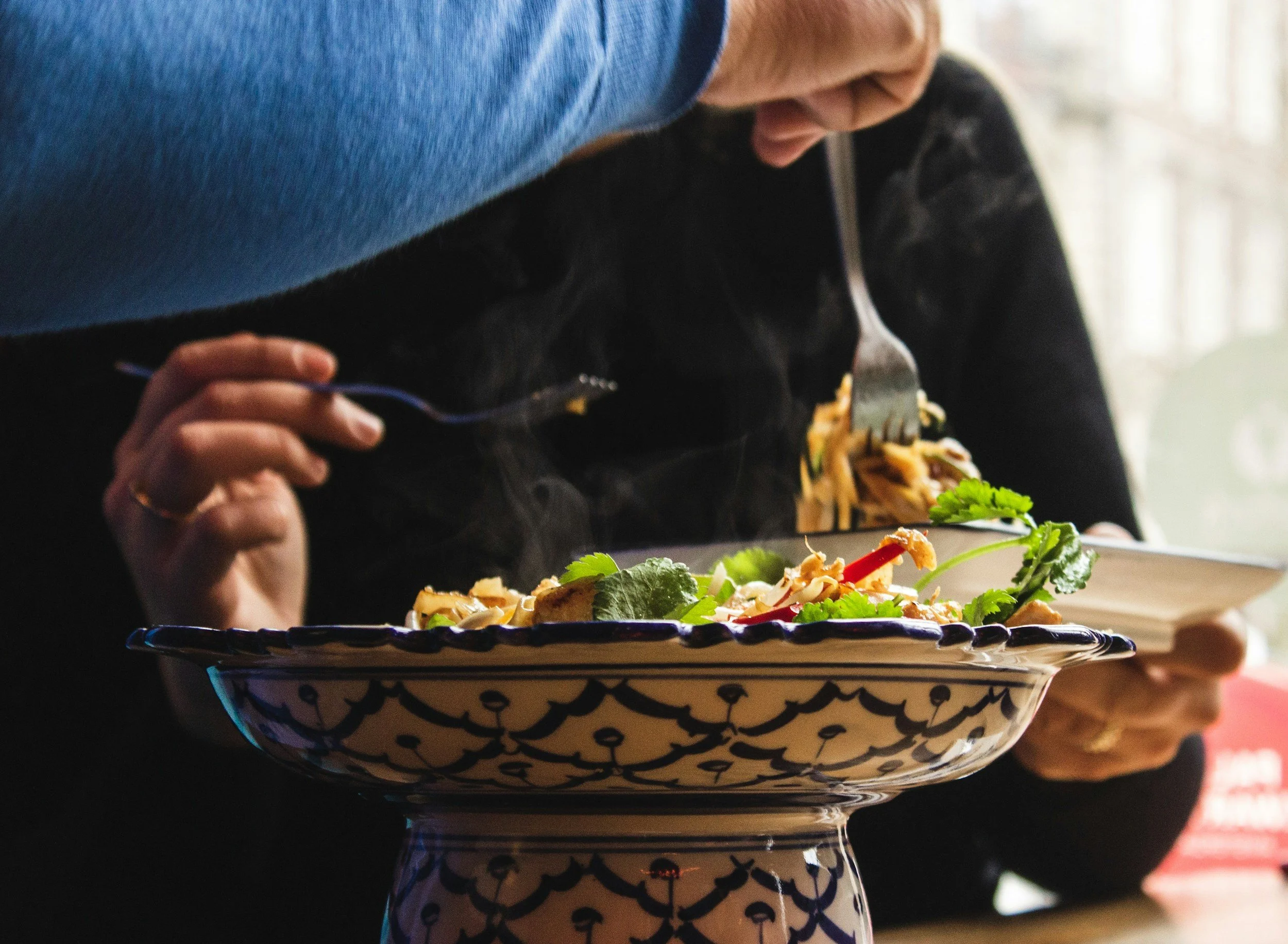
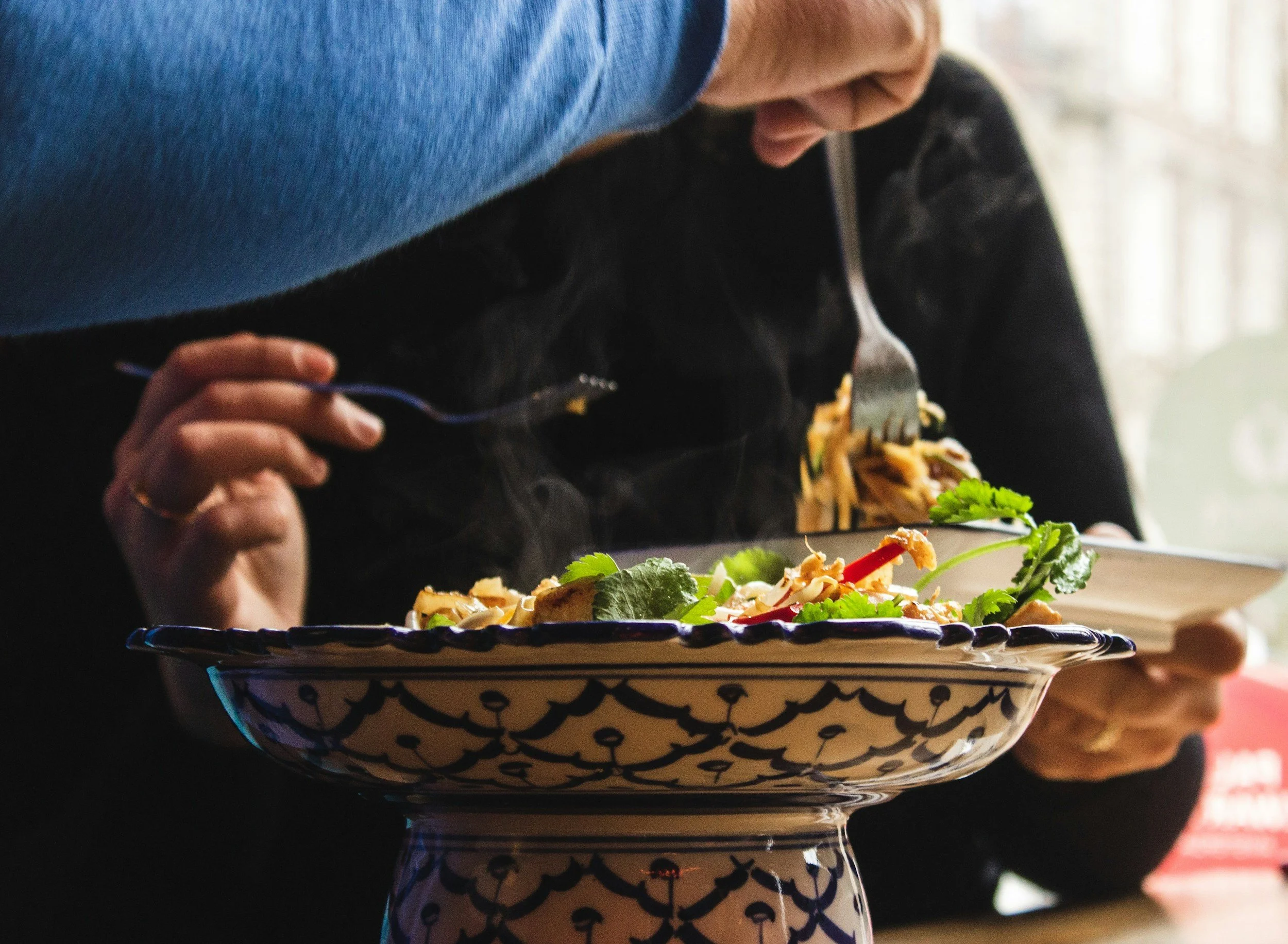
8. You struggle to recognize hunger and fullness
Years of dieting can make it difficult to trust your body's signals.
You may ignore hunger because it's "not time to eat."
You may continue eating past fullness because you're worried you'll be hungry later.
You may feel disconnected from your body's cues altogether.
This doesn't mean you've failed at intuitive eating.
Learning to listen to your body can take time, especially if you've spent years overriding its signals.
But What If I Don't Have an Eating Disorder?
This is where things can get confusing.
Maybe you recognize yourself in some of these examples but don't think you have an eating disorder.
That's okay.
You don't need to diagnose yourself.
Eating exists on a spectrum of experiences, and not every difficult relationship with food meets the criteria for an eating disorder.
At the same time, you don't need a diagnosis to deserve support.
If food is causing you distress, taking up significant mental space, or interfering with your ability to live the life you want, those are meaningful reasons to reach out.
You don't have to wait until things get worse.
What About "Healthy Eating"?
Sometimes an unhealthy relationship with food can be difficult to identify because the behaviors look "healthy" from the outside.
Eating nutritious foods is not inherently problematic.
Exercise isn't inherently problematic.
Wanting to care for your body isn't problematic.
The question is what happens when those behaviors become rigid.
There's a difference between: "I enjoy eating foods that make me feel good." and "I can't eat anything that isn't on my list of approved foods."
There's a difference between: "I enjoy exercising." and "I have to exercise because I ate dessert."
There's a difference between: "I want to care for my health." and "I need to control my body because I'm afraid of gaining weight."
Sometimes the behavior isn't the problem.
The rigidity, fear, and distress surrounding the behavior are.
You Don't Have to Wait Until You're "Sick Enough"
One of the most damaging ideas surrounding eating disorders is the belief that someone needs to be visibly struggling before they deserve help.
But eating disorders can affect people across body sizes, genders, ages, and backgrounds. And body-image concerns can exist with or without an eating disorder.
You don't have to prove that you're struggling.
You don't have to compare yourself to someone else.
You don't have to wait until you've lost a certain amount of weight or your eating behaviors have become more severe.
If something is interfering with your life, that's enough reason to get curious.
What Can a Healthier Relationship With Food Look Like?
A healthier relationship with food doesn't necessarily mean that you:
Love every food
Never overeat
Never eat emotionally
Always eat intuitively
Never think about your body
Never experience food anxiety again
Recovery and healing aren't about perfection.
Instead, you may begin to notice more flexibility.
You can eat when you're hungry without needing to justify it.
You can eat foods you enjoy without feeling guilty.
You can go to a restaurant without needing to know the menu in advance.
You can have a difficult body-image day without changing your eating.
You can exercise because you enjoy moving your body, not because you need to compensate for food.
You can eat a meal and move on with your day.
And perhaps most importantly, food starts taking up less space in your life.
Start Getting Curious Instead of Critical
If you're recognizing yourself in this article, try to resist the urge to immediately create another set of rules for yourself.
You don't need to suddenly become a perfect intuitive eater.
Instead, start with curiosity.
Ask yourself:
What food rules am I following?
Where did I learn them?
What happens when I break one?
How much time do I spend thinking about food or my body?
What would I do differently if I wasn't worried about my weight?
What parts of my life have become smaller because of my relationship with food?
These questions aren't meant to judge you.
They're meant to help you understand yourself.
You Deserve Support Before Things Get Worse
If you're struggling with food, body image, or eating behaviors, you don't have to wait until you're certain that something is "wrong enough."
You can reach out simply because you're tired of thinking about food all the time.
You can reach out because you want to stop feeling guilty after eating.
You can reach out because you're exhausted from trying to change your body.
You can reach out because you want to be able to go to dinner with your friends without anxiety.
You can reach out because you want your life to be about more than food and your body.
You don't need a diagnosis to deserve compassion.
And you don't need to wait until your relationship with food becomes worse before you start changing it.
A healthier relationship with food isn't about eating perfectly. It's about having the freedom to live your life without food rules, guilt, and body worries running the show.
If you're struggling with your relationship with food or body image, Thrope Therapy offers eating disorder-informed, weight-inclusive support to help you understand these patterns and build a more peaceful relationship with food and yourself.