

Eating Disorders in Athletes: When Discipline Becomes Something ElsE
Athletic culture is one of the environments most conducive to the development of an eating disorder and one of the least likely to recognize it. The emphasis on performance, body composition, and discipline in sport environments normalizes restriction, overexercise, and disordered eating in ways that make them nearly impossible to identify from inside the culture. When everyone around you is managing their body for performance, it is very difficult to see where healthy training ends and something more serious begins.
At Thrope Therapy we work with athletes navigating eating disorders without pathologizing their dedication to their sport or their relationship with their body. We understand the culture. We work within it.
Why eating disorders thrive in athletic environments:
Sport environments create specific and powerful risk factors for disordered eating. Performance culture ties body composition directly to athletic outcomes, creating a context where restricting food and managing weight feel not only acceptable but necessary. Coaching environments sometimes explicitly reward leanness or comment on athletes' bodies in ways that cause lasting harm. Team cultures create peer comparison around food, training, and body size that operates constantly and often invisibly.
Certain sports carry elevated risk. Sports with weight classes create direct incentives for rapid and often dangerous weight management practices. Aesthetic sports including gymnastics, figure skating, and dance involve bodies being judged as part of performance and create intense pressure around appearance. Endurance sports including distance running, cycling, and triathlon have high prevalence rates of disordered eating, particularly in the context of relative energy deficiency in sport, known as RED-S.
But eating disorders in athletes are not limited to these categories. They exist across every sport, every level of competition, and every type of athlete. They also exist in people who exercise compulsively outside of organized sport.

What eating disorders look like in athletes:
In athletic populations, eating disorders often present differently from the way they are typically described in clinical literature. Common presentations include restriction in service of performance or body composition goals, the use of exercise as a compensatory behavior following eating, compulsive exercise and significant distress on rest days or during injury, muscle dysmorphia and distorted body image despite athletic achievement, orthorexia framed as performance nutrition or clean eating, binge and restrict cycles that map onto training cycles or competitive seasons, and the inability to reduce training even when injured or physically depleted.
Athletes with eating disorders often show up to treatment later than non-athletes because the eating disorder has been praised rather than noticed. The signs that would concern a parent, coach, or friend in any other context are coded as commitment and dedication in an athletic one. That delay is clinically significant and completely understandable.
What makes eating disorder treatment for athletes different:
Treating eating disorders in athletes requires a clinician who understands athletic culture, not just eating disorder treatment. Someone who can hold the complexity of wanting to continue competing while also healing from something that is connected to the sport. Someone who does not pathologize the desire to perform at a high level or the genuine love of movement that brought the athlete to the sport in the first place.
At Thrope Therapy we work with athletes to understand what the eating disorder is doing for them beyond performance, to identify the emotional patterns and beliefs the disordered relationship with food and exercise has been serving, and to build a relationship with movement and nutrition that supports both their health and, where appropriate, their athletic goals over the long term.
We do not require athletes to stop competing as a condition of treatment. We work with the real context of their lives and sport involvement while being honest about what clinical care requires.
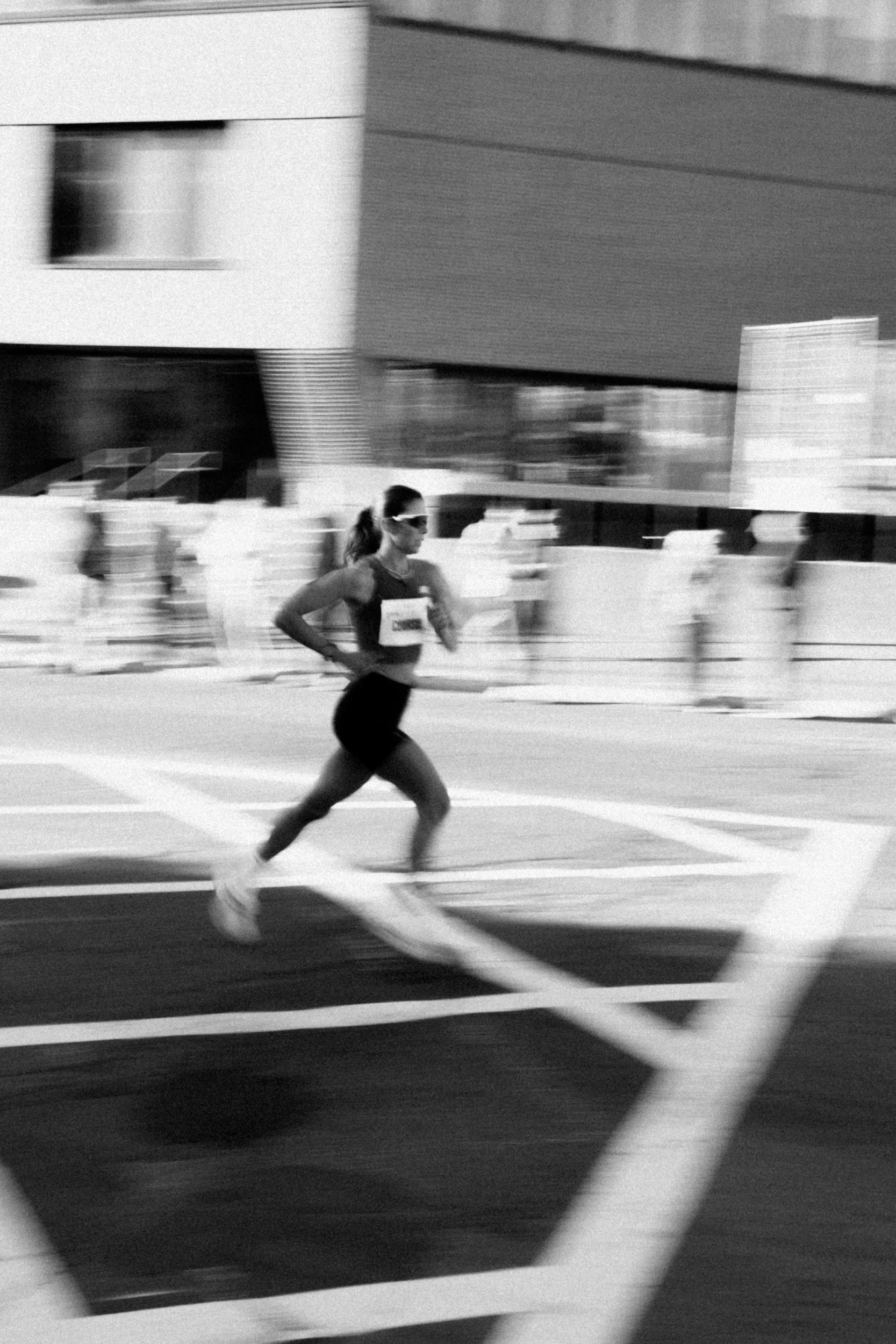
The athlete who has retired or been injured:
Some of the most significant eating disorder presentations we see in athletes occur at the point of retirement or serious injury. The identity that has been organized around athletic performance suddenly becomes unavailable. The relationship with food and the body, which was always tied to performance, now has no container. The eating disorder, which may have been maintained by the structure of training and competition, often intensifies without it.
If you are an athlete who has retired, been injured, or is transitioning out of your sport and your relationship with food or exercise has become more complicated, this is a clinical moment worth paying attention to.
FAQs
I love my sport and do not want to stop competing. Does eating disorder treatment require me to stop?
Not necessarily. We work with athletes within the context of their sport involvement and do not impose blanket requirements around competition. We are honest about what clinical care requires and we have those conversations directly. The goal is always your long-term health and wellbeing, and that conversation includes your athletic life.
My coach has commented on my body or my eating. How do I navigate that?
This is something we work with directly in therapy, including how to advocate for yourself within athletic environments, how to manage the impact of coaching comments on your relationship with your body, and whether and how to involve other support people in your athletic context.
I think I have RED-S. Is that something Thrope Therapy treats?
Yes. Relative energy deficiency in sport is something we are familiar with and we work collaboratively with sports medicine providers and dietitians when a coordinated team approach is needed.
I have retired from my sport and my relationship with food has fallen apart. Is it too late to get help?
It is not too late. The transition out of sport is a significant clinical moment and one we are specifically experienced supporting. You do not have to have a current athletic identity to deserve eating disorder treatment.
You worked hard to get where you are in your sport. Your relationship with food and your body deserves the same level of dedicated support. In-person in Midtown Manhattan, virtual across NY, NJ, MA, and CT.
Free consultations are available.
Our Compassionate Team of therapists



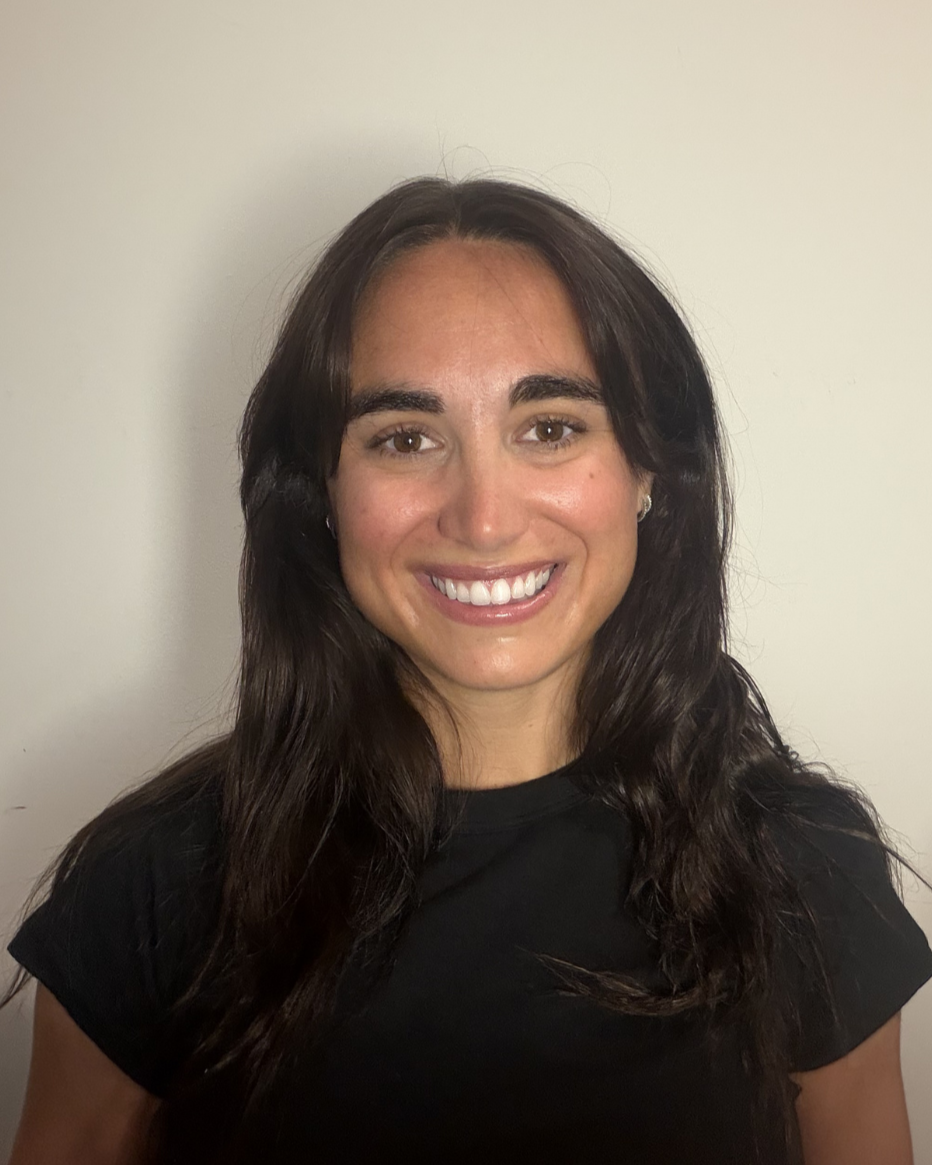
Olivia Lombardo
Associate Therapist
Olivia helps clients heal from disordered eating and find strength, balance, and connection in daily life.