

Eating Disorders in Men: What Nobody Is Talking About
Eating disorders do not discriminate. They do not care about gender, body size, athletic ability, or how put-together someone appears on the outside. And yet the cultural image of who gets an eating disorder has remained stubbornly narrow for decades. That image does not include men. And that invisibility is costing people their health, their relationships, and sometimes their lives.
At Thrope Therapy we see men navigating eating disorders every day. We know what it looks like when it is hidden behind fitness culture. We know what it sounds like when it gets dismissed as discipline. And we know what it takes to heal from something you were never supposed to have in the first place.
The numbers men need to know:
Eating disorders are not rare in men. Research consistently shows that men make up approximately one in three people with an eating disorder. Binge eating disorder is the most common eating disorder in men, affecting more men than anorexia and bulimia combined. Muscle dysmorphia, sometimes called reverse anorexia, is almost exclusively diagnosed in men and is deeply underrepresented in eating disorder research and treatment spaces.
Despite these numbers, men are significantly less likely to be asked about their eating by a doctor. They are less likely to self-identify as having an eating disorder. They are less likely to seek treatment. And when they do seek treatment, they often find clinical spaces that were designed with a different person in mind.
The average delay between the onset of an eating disorder and receiving treatment is years. For men, that delay is often longer. Not because the disorder is less severe. Because the disorder is less visible to the people around them, and often invisible to themselves.
Why eating disorders in men look different:
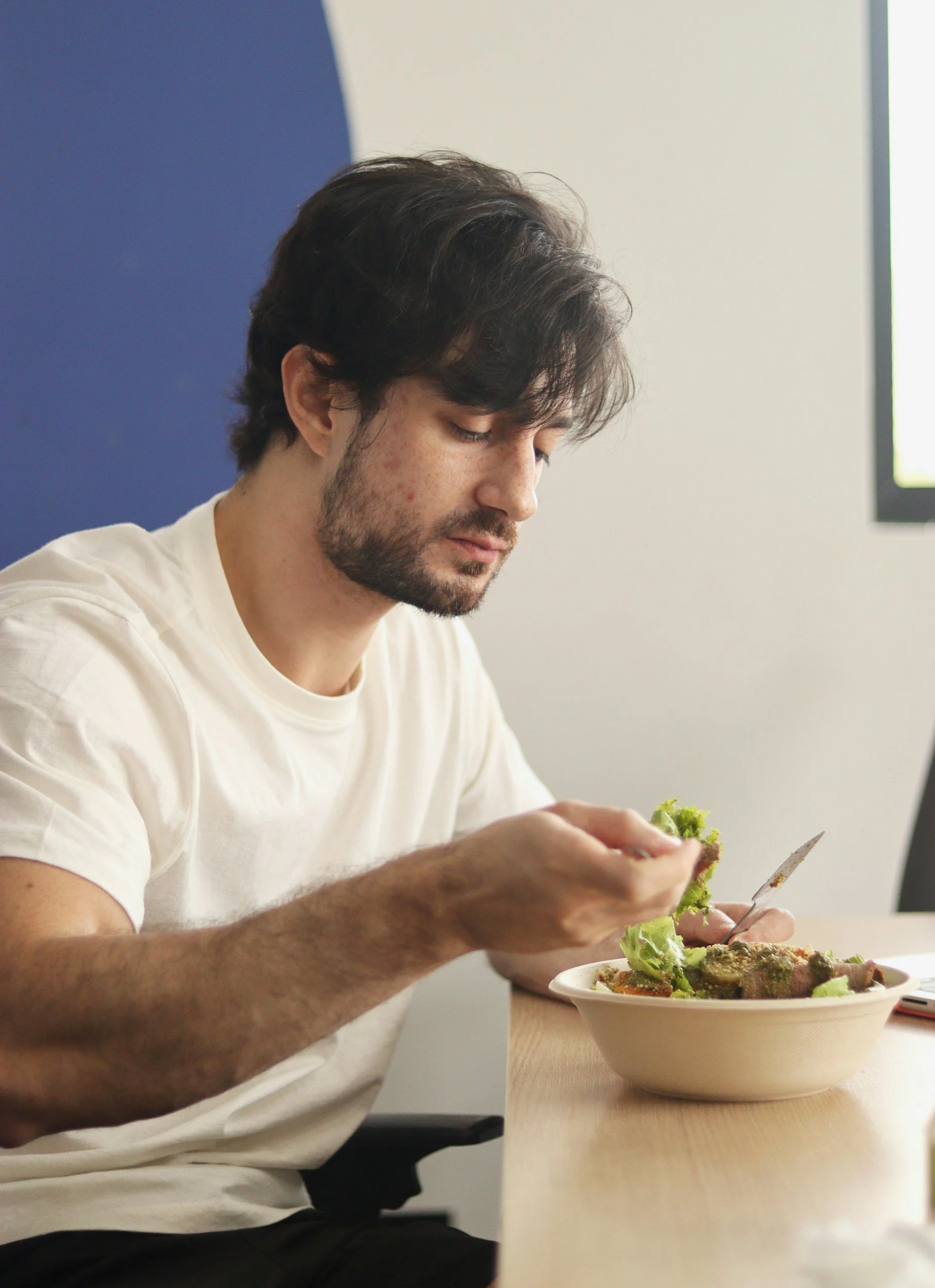
Eating disorders in men often do not look like what most people picture. They are less likely to center on wanting to be smaller and more likely to center on wanting to be bigger, leaner, or more muscular. The vocabulary is different. The cultural framing is different. The way the disorder gets praised rather than noticed is different.
A man who restricts his eating is disciplined. A man who exercises compulsively is dedicated. A man who follows a rigid food protocol is health-conscious. The eating disorder hides in the language of achievement, and it is extraordinarily good at it.
Common presentations of eating disorders in men include restriction in service of body composition goals, binge eating disorder with or without compensatory behaviors, compulsive exercise and the distress of rest days, muscle dysmorphia and body image distortion, orthorexia framed as clean eating or performance nutrition, and purging behaviors that are rarely discussed in the context of men.
Men with eating disorders also often experience co-occurring anxiety, depression, perfectionism, and substance use. The emotional function the eating disorder is serving is rarely about food. It is almost always about something else, something that needed an outlet before the person had the language or the safety to say it out loud.
What gets in the way of men seeking help:
The barriers men face in reaching out for eating disorder treatment are specific and real. They include the belief that eating disorders happen to other kinds of people. The fear of being taken less seriously by a healthcare provider. The absence of representation in eating disorder media and treatment marketing. The cultural pressure to manage struggles privately and independently. The sense that needing help is a form of failure.
Many men who eventually seek treatment describe spending years wondering whether what they were experiencing was real enough to deserve attention. The answer is yes. It was always yes.
You do not have to fit a particular image of what an eating disorder looks like to deserve treatment. If your relationship with food, your body, or exercise is causing you significant distress or interfering with your life, that is enough.

How Thrope Therapy works with men:
Our approach to eating disorders in men is weight-inclusive, non-judgmental, and grounded in genuine clinical expertise. We do not pathologize athletic ambition or the desire to feel strong in your body. We work within the real context of your life, including the cultural and social pressures that shape how the eating disorder developed and how it has been maintained.
Sessions with our team focus on understanding what the relationship with food and your body has been doing for you, building new tools for the emotional work the eating disorder has been managing, and slowly creating more freedom, flexibility, and trust in your own body.
We work with men navigating eating disorders alongside anxiety, depression, trauma, identity, and relationship concerns. We are also experienced working with men in industries and communities where body image pressures are particularly intense, including athletics, finance, entertainment, and high-performance professional environments.
In-person sessions are available at 353 Lexington Avenue in Midtown Manhattan. Virtual therapy is available across New York, New Jersey, Massachusetts, and Connecticut.
FAQs
Are there therapists at Thrope Therapy who specifically work with men?
Yes. All of our therapists have training in eating disorder treatment across genders and are experienced working with men navigating a range of eating disorder presentations. We match each client with the therapist who feels like the right fit based on their specific concerns and what they are looking for in a therapeutic relationship.
Will I be taken seriously if I reach out?
Completely and without qualification. Eating disorders in men are real, clinically significant, and fully treatable. We have no assumptions about what an eating disorder is supposed to look like and we do not require you to explain or justify your experience before we take it seriously.
What if my eating disorder is connected to athletics or body building?
This is a common presentation and one we are specifically experienced with. The line between dedicated training and disordered eating is not always obvious from the inside, and it can shift over time. We work with men in high-performance contexts without pathologizing their goals or their identity.
Do I need to have a formal diagnosis to get support?
No. If your relationship with food, your body, or exercise is causing you distress or interfering with your daily life, relationships, or wellbeing, that is enough to reach out. A formal diagnosis is never a prerequisite for care.
If you are a man who has been carrying something complicated quietly for a long time, we would like to be in the room with you.
Free consultations are available.
Our Compassionate Team of therapists


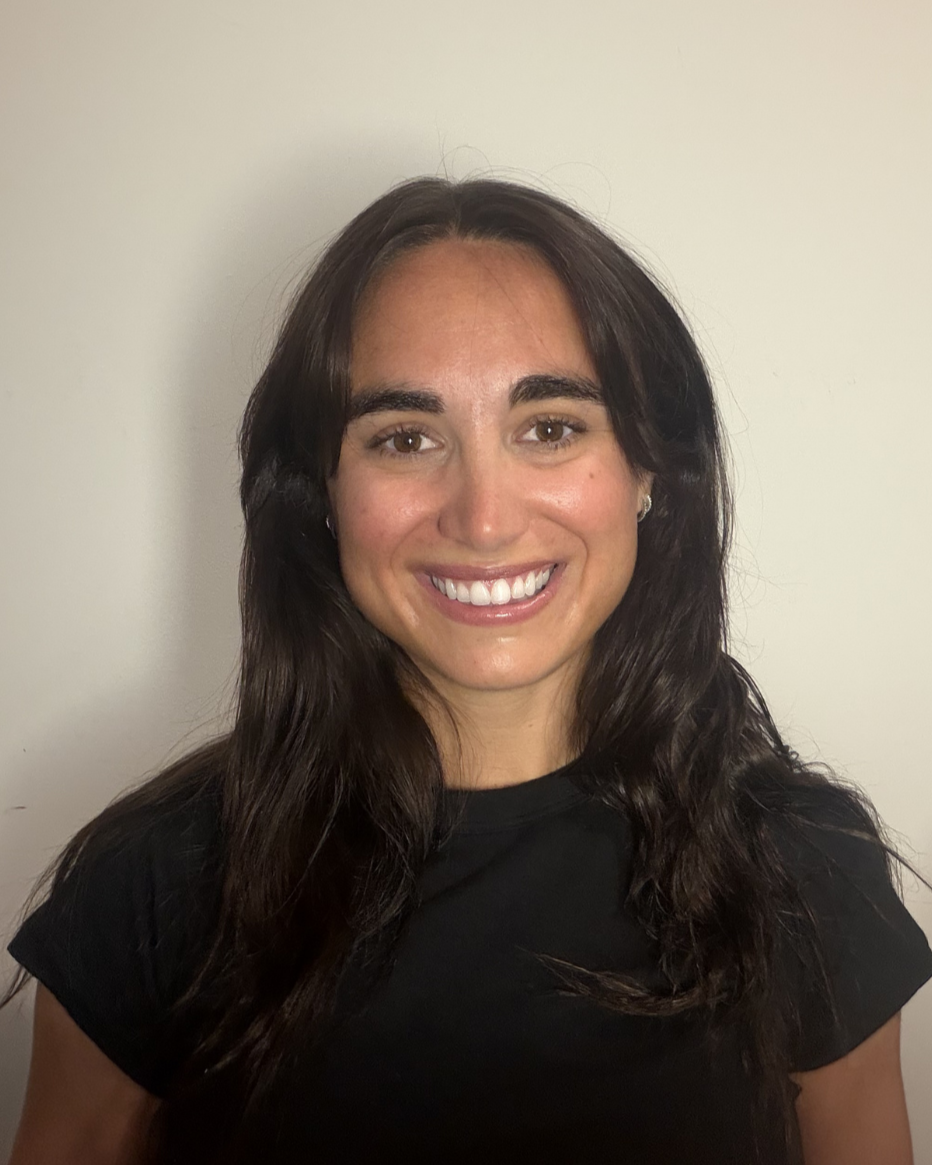
Olivia Lombardo
Associate Therapist
Olivia helps clients heal from disordered eating and find strength, balance, and connection in daily life.