

Eating Disorders in College Students: Support for One of the Hardest Transitions
College is one of the highest-risk environments for the development and worsening of eating disorders. The combination of new independence, high academic pressure, social comparison, disrupted routines, identity development, and a campus food environment that rarely makes eating uncomplicated creates conditions that are deeply activating for disordered eating.
At Thrope Therapy we work with college students and young adults navigating eating disorders with a genuine understanding of what this particular season of life looks and feels like.
Why college is such a high-risk period:
The transition to college removes most of the structure that previously organized eating. Dining halls replace family meals. Schedules become irregular. Sleep is disrupted. The social environment is entirely new and places intense pressure on appearance, belonging, and performance.
For students who arrived at college with an existing eating disorder or a history of disordered eating, that transition often triggers a significant worsening of symptoms. The eating disorder that was managed, however tenuously, in the structure of home and high school now has much more room to operate.
For students who had no previous history, college is often where the eating disorder begins. The diet talk that permeates college social environments, the comparison that comes with living alongside hundreds of peers, the stress of academic performance, and the new relationship with food and the body in a communal eating environment all create fertile ground for disordered eating to develop.

What eating disorders look like in college:
The presentations we see most frequently in college students include restriction that began as healthy eating and escalated into something more rigid, binge eating that is often connected to restriction and academic or social stress, compensatory behaviors including excessive exercise or purging, ARFID symptoms that become significantly more visible and limiting in college dining environments, and orthorexia that develops in the context of wellness culture on campus.
We also see significant body image distress that is not always connected to a specific eating disorder diagnosis but that causes real interference with academic functioning, social connection, and quality of life.
College students are also navigating eating disorders in the context of alcohol and substance use more frequently than other populations, and the interaction between substance use and disordered eating is something we are experienced holding.
The particular barriers college students face:
College students face specific barriers to getting help for eating disorders that are worth naming directly.
Campus counseling centers are often under-resourced and not always equipped to provide the specialized eating disorder treatment that this population needs. Waitlists can be long and the number of sessions limited. Students who need more than generalist mental health support often find themselves without a clear next step.
There is also significant stigma within college environments around mental health help-seeking. The pressure to appear like you are managing well, the fear of being seen as struggling, and the cultural narrative that college is supposed to be the best years of your life can all make it harder to reach out.
Many college students also navigate the complexity of their parents potentially finding out, of insurance logistics, of not wanting to leave campus for appointments. These are real practical barriers and we work with students to address them practically rather than treating them as reasons not to get care.

How Thrope Therapy works with college students:
We work with college students and young adults navigating the full range of eating disorder presentations. Our approach is warm, direct, and developmentally appropriate, meaning we understand the specific context of college life and we do not treat college students as simply younger adults.
Virtual therapy is particularly well-suited for college students, offering access to specialized eating disorder care without requiring travel away from campus. We offer virtual therapy across New York, New Jersey, Massachusetts, and Connecticut, which covers a significant portion of the geographic area where college students studying in New York City and the surrounding region are living.
For students who are in or near New York City, we also offer in-person sessions at 353 Lexington Avenue in Midtown Manhattan, near Grand Central Station and easily accessible by subway from most parts of the city.
We also offer the Recovery Supper Club, a free monthly in-person community dinner in New York City for adults in eating disorder recovery. For college students who are 18 and over and in stable recovery, this gathering provides a community touchpoint that is different from clinical treatment and that many young people find genuinely meaningful.
A note to parents of college students:
If you are a parent who has noticed something concerning in your college-aged child's relationship with food or their body, reaching out is the right instinct. We offer consultations for parents who are trying to figure out how to support their child from a distance, how to have the conversation, or whether what they are observing warrants clinical attention.
We can also help you understand the options available to your child, including how to access specialized eating disorder care outside of campus resources and how to navigate the insurance and logistical questions that come with supporting a young adult in treatment.
FAQs
I am a college student and I am worried about my parents finding out I am in therapy. Is therapy confidential?
Yes. For clients 18 and over, therapy is confidential. We do not share information with parents or other family members without your explicit written consent except in specific circumstances involving safety.
My campus counseling center has a long waitlist and I cannot get specialized eating disorder support there. What are my options?
Thrope Therapy offers specialized eating disorder treatment outside of campus resources. We offer virtual therapy across New York, New Jersey, Massachusetts, and Connecticut and in-person sessions in Midtown Manhattan. We can also help you think through insurance and payment options during your consultation call.
I am a college student who is struggling but I do not think it is serious enough to be an eating disorder. Should I still reach out?
Yes. If your relationship with food or your body is causing you distress or interfering with your ability to be present in your life, that is enough to reach out. You do not need a formal diagnosis or a particular level of severity to deserve support.
Do you work with college students who are struggling with both eating disorders and substance use?
Yes. The co-occurrence of eating disorders and substance use is common in college populations and something we are experienced working with. We address both rather than requiring one to be resolved before addressing the other.
I go to school in New York City. Can I come in person?
Yes. Our office is at 353 Lexington Avenue in Midtown Manhattan, steps from Grand Central. We are easily accessible by subway from all parts of the city.
College is hard enough without carrying this alone. Virtual across NY, NJ, MA, and CT. In-person in Midtown Manhattan.
Free consultations are available.
Our Compassionate Team of therapists
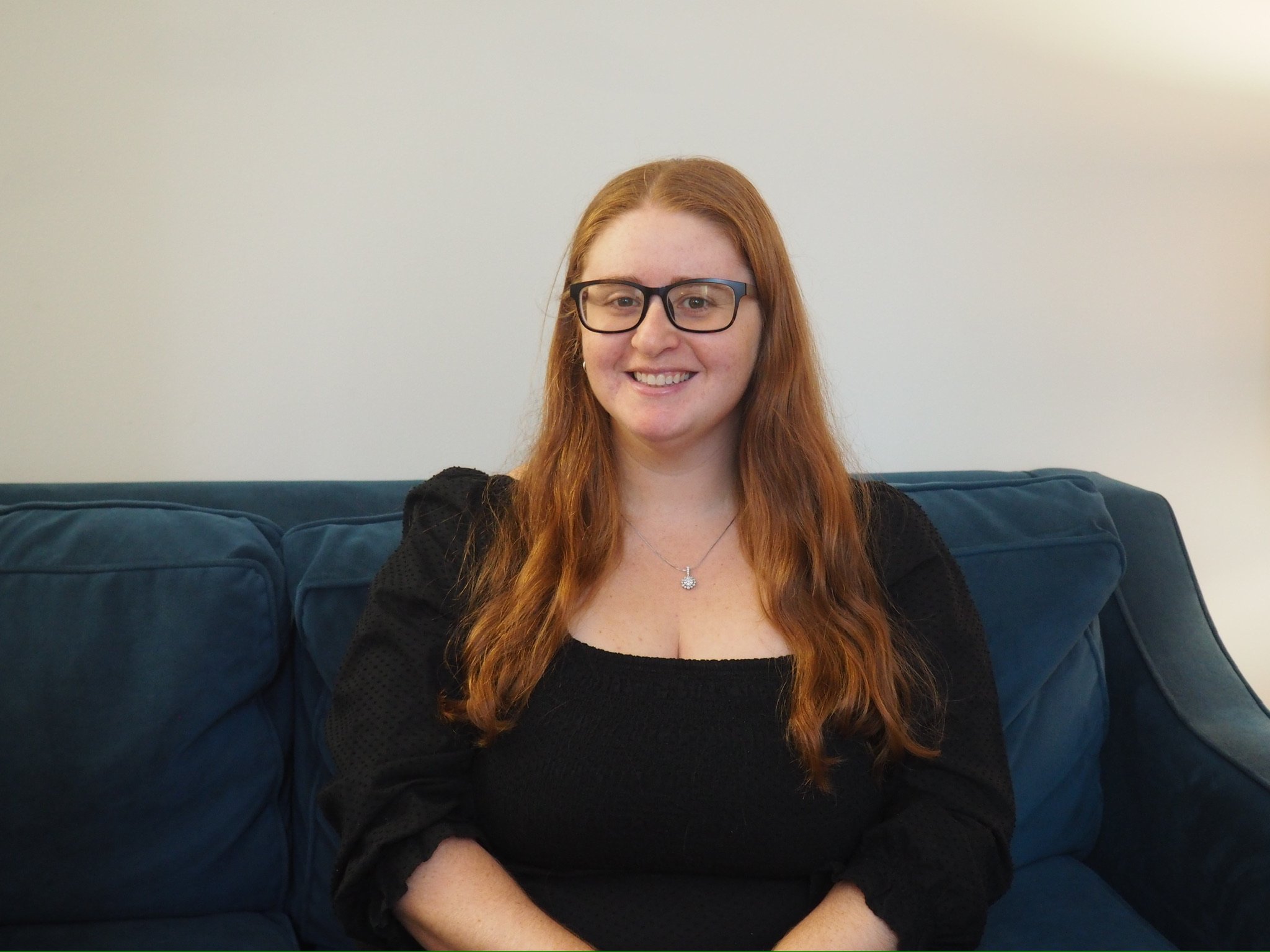


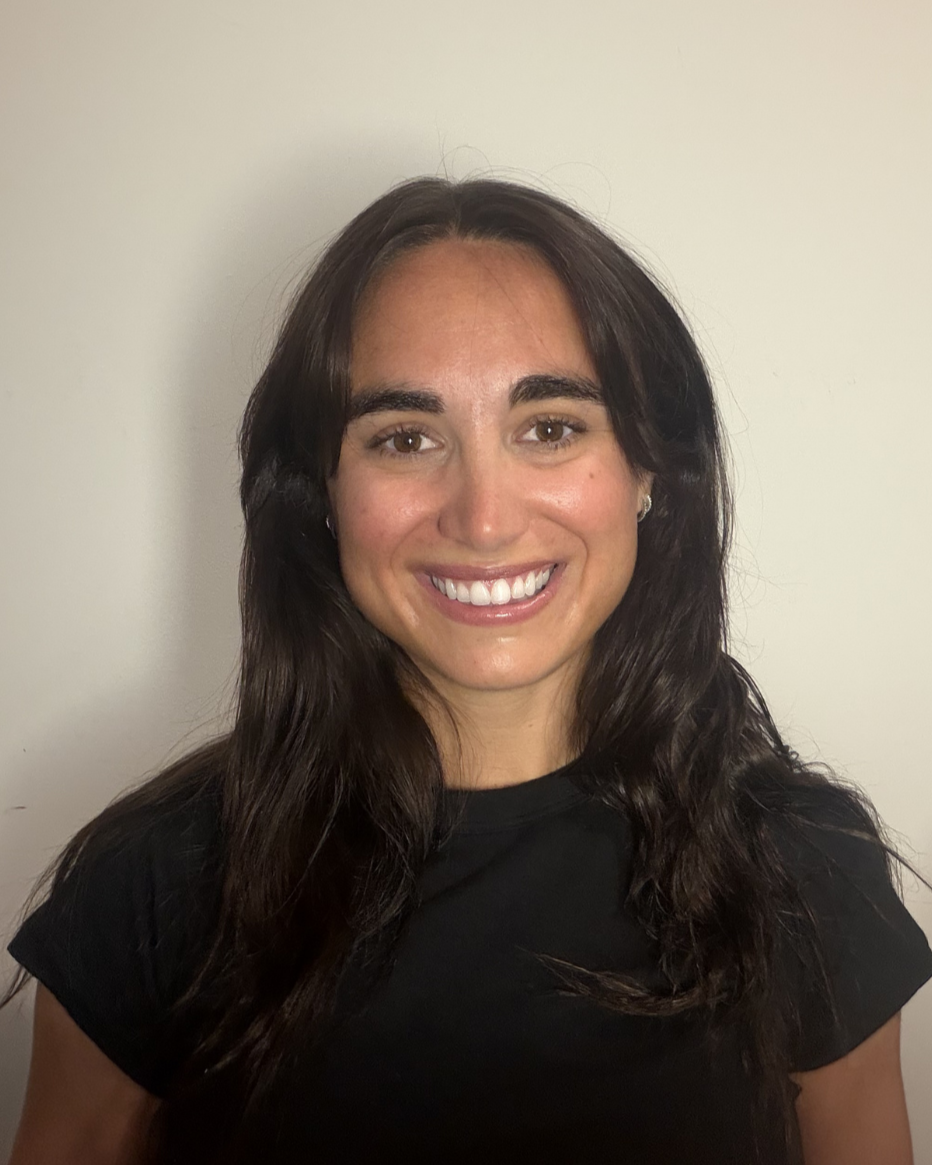
Olivia Lombardo
Associate Therapist
Olivia helps clients heal from disordered eating and find strength, balance, and connection in daily life.