

Eating Disorders in the LGBTQ+ Community: Affirming Care for Complex Experiences
LGBTQ+ individuals experience eating disorders at significantly higher rates than the general population. This is not a coincidence. It is the predictable outcome of navigating a world that has not always made space for queer and trans bodies, that has imposed appearance standards within and outside of LGBTQ+ communities, and that has required a particular kind of labor just to exist safely.
At Thrope Therapy every clinician practices from an LGBTQ+ affirming framework. Your identity is not something we work around before the real clinical work begins. It is part of the work from the very first session.
What the research tells us:
Studies consistently show elevated rates of disordered eating across gay, lesbian, bisexual, transgender, and nonbinary populations. Gay and bisexual men are significantly more likely to report binge eating, purging behaviors, and body image distress than heterosexual men. Transgender individuals experience disordered eating at substantially higher rates than cisgender peers, with the relationship between gender dysphoria and disordered eating being particularly complex and bidirectional. Bisexual individuals show some of the highest rates of eating disorder behaviors across all sexual orientations.
These numbers are likely underestimates. LGBTQ+ individuals are less likely to be asked about eating disorder symptoms by healthcare providers. They are less likely to be represented in eating disorder research. They are less likely to find affirming treatment when they do seek support.
Why LGBTQ+ individuals are at elevated risk:
The elevated rates of eating disorders in LGBTQ+ communities are not the result of something inherent to LGBTQ+ identity. They are the result of specific, identifiable stressors that queer and trans people navigate at rates the general population does not.
Minority stress, the chronic stress of navigating stigma, discrimination, and the need to manage identity in environments that are not always safe, has documented physiological and psychological effects. The body carries the weight of that stress in specific ways, and disordered eating is one of the ways that weight gets managed.
Community appearance norms within LGBTQ+ communities create their own pressures. Gay male communities have historically placed significant emphasis on specific body types that have contributed to elevated rates of disordered eating, muscle dysmorphia, and compulsive exercise. These norms are shifting but they have not disappeared.
For trans and nonbinary individuals, the relationship between body and identity is often deeply complicated in ways that intersect with disordered eating in specific and clinically important ways. Gender dysphoria and disordered eating frequently coexist. Using food restriction or other eating disorder behaviors to manage the experience of living in a body that does not feel fully like yours is a pattern we see and work with regularly.
What affirming eating disorder treatment actually means:
LGBTQ+ affirming eating disorder therapy at Thrope Therapy is not simply a matter of using correct pronouns, though that is of course a given. It is a clinical approach that understands how identity, body, and the experience of navigating a world that was not built for you intersect in the therapy room.
It means your therapist understands the specific pressures of queer and trans communities around physical appearance without requiring you to explain them. It means the emotional cost of minority stress is recognized as a real and significant contributor to the patterns you are working on. It means you do not have to educate your therapist about what your experience is like before you can start talking about what you need.
All of our clinicians have specific training in LGBTQ+ affirming practice. We also have LGBTQ+ identifying clinicians on our team who bring both professional expertise and lived experience to this work.
Areas of specific experience:
We have particular experience working with LGBTQ+ individuals navigating eating disorders in the context of coming out and identity development, the cumulative impact of minority stress on eating and body image, gender dysphoria and gender affirming care, family rejection and the role of chosen family in recovery, queer community appearance norms and their impact on body image, the intersection of eating disorders with anxiety, depression, and trauma, and the particular complexity of eating disorder recovery in communities where the disorder may be less visible or less understood.
FAQs
I have had bad experiences with therapists who did not understand my identity. How is Thrope Therapy different?
We understand that trust has to be earned, not assumed. Every clinician at Thrope Therapy has specific training in LGBTQ+ affirming practice and a genuine commitment to this work. We also match clients with therapists thoughtfully, which means we take into account what you are looking for in a therapeutic relationship, including the identity and background of your clinician.
I am questioning my gender identity and I think it is connected to my relationship with food. Is that something you can help with?
Yes. The intersection of gender identity and eating disorders is something we work with directly and with genuine clinical experience. You do not need to have resolved questions about your identity before starting therapy. In many cases, the therapy is part of where that exploration happens.
I am a trans person who is using food restriction to manage gender dysphoria. Is that something you can work with?
Yes. This is a pattern we are specifically experienced with. We work with the eating disorder and the gender dysphoria together rather than treating them as separate concerns that need to be addressed one at a time.
Does Thrope Therapy have LGBTQ+ identifying clinicians?
Yes. We can discuss this during your consultation call and match you with a clinician whose background and experience feels like the right fit.
You deserve a therapist who gets it without you having to explain it. In-person in Midtown Manhattan, virtual across NY, NJ, MA, and CT.
Free consultations are available.
Our Compassionate Team of therapists


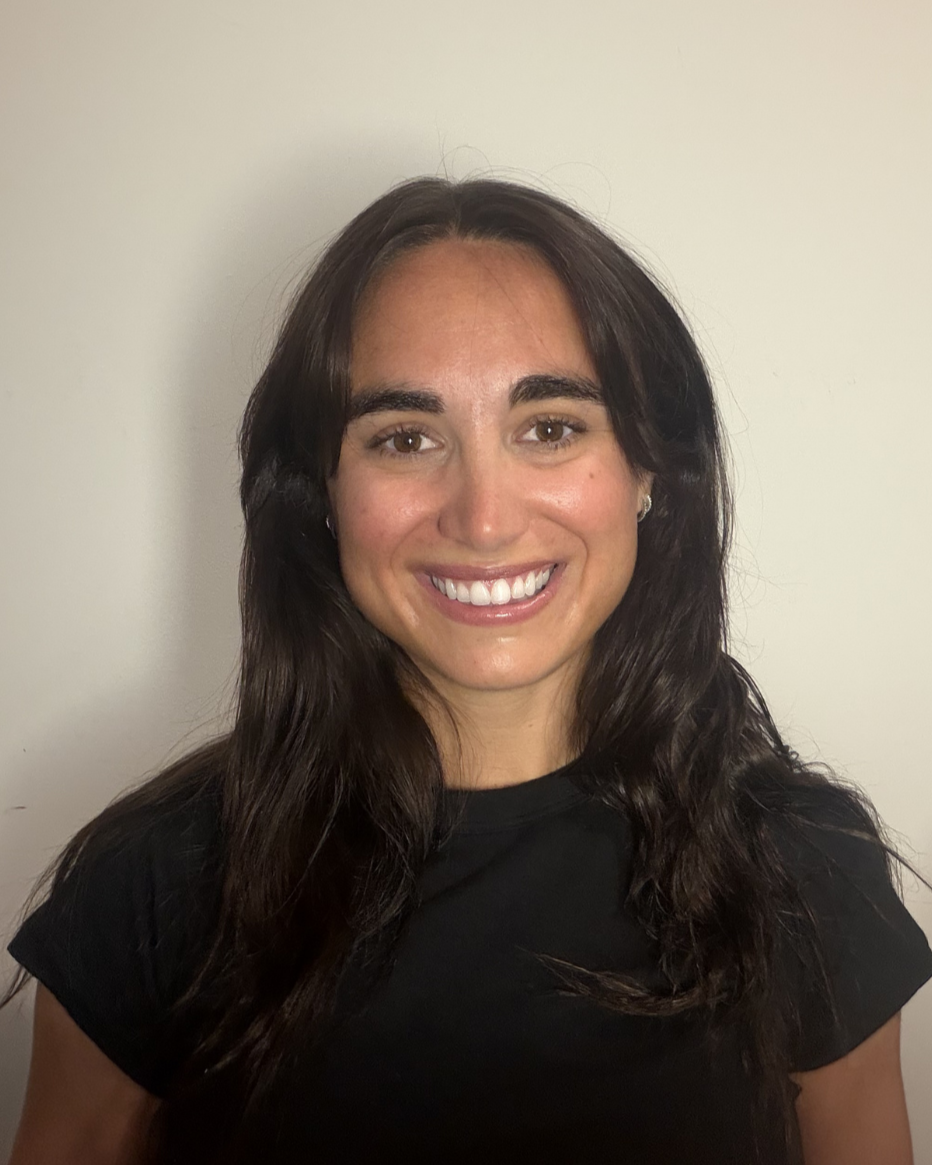
Olivia Lombardo
Associate Therapist
Olivia helps clients heal from disordered eating and find strength, balance, and connection in daily life.