

Eating Disorders in Women: When Diet Culture Becomes Something MorE
Women experience eating disorders at higher rates than any other demographic. They are also the group most likely to have their symptoms dismissed, minimized, or reframed as something less than what they are. A woman restricting her eating is often perceived as disciplined. A woman obsessing over food is seen as health-conscious. A woman who binges and purges is hidden behind the shame that diet culture taught her to carry.
At Thrope Therapy we understand the particular landscape that women navigate around food, bodies, and worth. We have built our practice around it.
What women are up against:
From the time most women are children, the messages about bodies are consistent and relentless. Your body is something to manage. Your size is a reflection of your character. Controlling what you eat is a virtue. Taking up space requires justification. These messages do not just shape how women feel about food. They shape how women understand their own value.
Diet culture has made disordered eating so normalized for women that many people spend years, sometimes decades, not recognizing that what they are experiencing is a clinical concern. The counting, the restriction, the guilt after eating something enjoyable, the mental math that runs in the background of every meal, these have been so thoroughly framed as normal female behavior that they become invisible. Not just to the people around a woman but often to the woman herself.
The eating disorders we treat most commonly in women include anorexia nervosa, bulimia nervosa, binge eating disorder, orthorexia, and disordered eating that does not fit a single diagnostic category. We also work with the anxiety, depression, perfectionism, trauma, and relational patterns that almost always coexist with eating disorders in women.
The particular weight of a lifetime of diet culture:
Many women who come to Thrope Therapy have been dieting since adolescence. Some have been through multiple treatment programs and found their way back to disordered patterns. Some have never called it an eating disorder at all and are reaching out for the first time in their thirties, forties, or fifties because something in the last few years has made it impossible to keep going the way they have been going.
The eating disorder did not develop in a vacuum. It developed in a specific cultural, familial, and relational context that shaped how a woman learned to relate to her body. Understanding that context is part of the work. Not to excuse the eating disorder or explain it away, but to understand it on its own terms so that healing can happen at the root rather than the surface.
How we treat eating disorders in women at Thrope Therapy:
Our approach is weight-inclusive and HAES-aligned throughout, which means your body is never the target of treatment. We do not set weight-related goals or use appearance-based outcomes as markers of progress. We focus on how you feel, how you function, and what your relationship with food and your body looks like over time.
We work with a range of therapeutic approaches including Cognitive Behavioral Therapy, Dialectical Behavior Therapy, narrative therapy, mindfulness, and the Intuitive Eating framework, drawing on whatever combination fits each individual client rather than applying a single model to everyone. Lily Thrope, LCSW is a Certified Intuitive Eating Counselor and a Certified Eating Disorder Specialist, bringing specialized training to every aspect of this work.
Sessions are a space to understand what the eating disorder has been doing for you, to build new tools for the emotional work it has been managing, and to slowly develop a relationship with food and your body that is built on trust rather than fear.
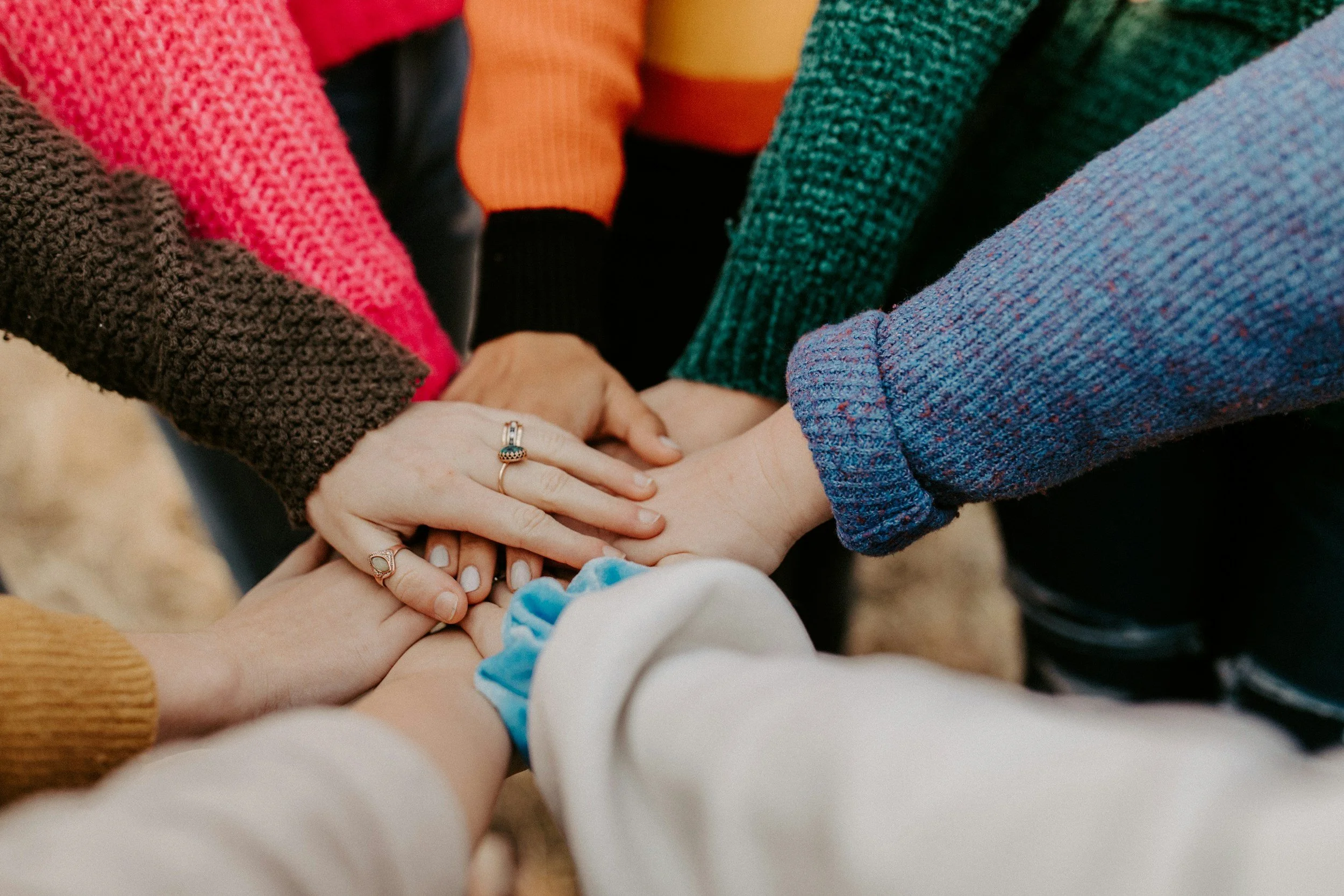
We also offer the Recovery Supper Club, a free monthly in-person community dinner in New York City for women in eating disorder recovery, co-hosted with Chelsea Levy, MS, RD, CDN. Community is part of healing and this gathering was built specifically for the gap that often exists between treatment and real life.
FAQs
I have struggled with my relationship with food for so long that I am not sure it will ever change. Can therapy actually help?
Yes. The duration of an eating disorder does not determine whether recovery is possible. It shapes how long treatment may take and what the work involves, but people recover from eating disorders that have been present for decades. What matters most is the quality of the support and the fit between the client and the therapist.
I have never been diagnosed with an eating disorder. Do I need a diagnosis to get support?
No. If your relationship with food or your body is causing you significant distress or interfering with your quality of life, that is enough to reach out. A formal diagnosis is never required for care.
I gained weight during the pandemic and have been struggling since. Is that something you work with?
Yes. Body changes of any kind can activate or intensify disordered eating patterns and body image distress. We work with women navigating the complex emotional experience of bodies that have changed and the thoughts and behaviors that have emerged in response.
Do you work with older women, not just young adults?
Yes. We work with women across the lifespan. Eating disorders do not only affect young women and the clinical presentation can look different at different life stages. Whatever your age, your experience deserves real clinical attention.
You have been carrying this long enough. In-person in Midtown Manhattan, virtual across New York, New Jersey, Massachusetts, and Connecticut.
Free consultations are available.
Our Compassionate Team of therapists


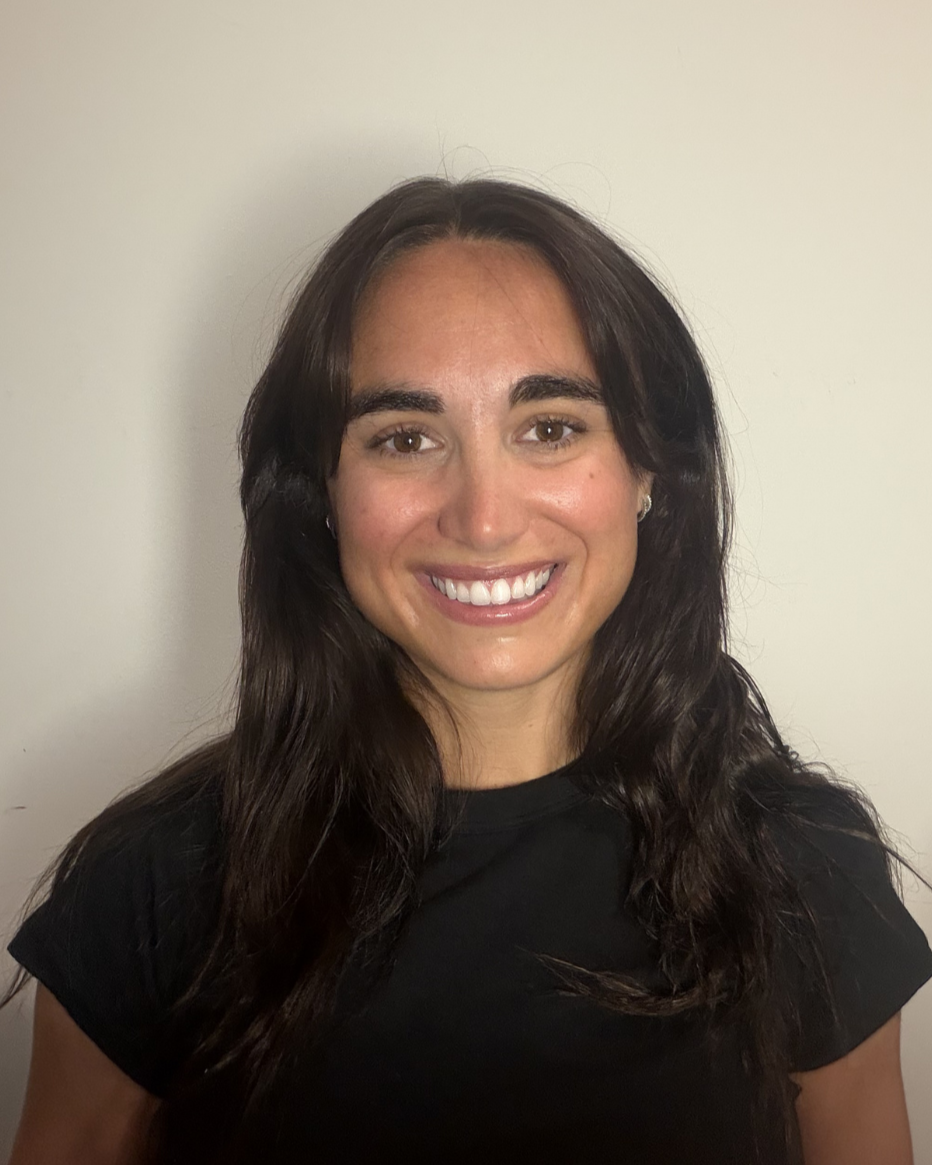
Olivia Lombardo
Associate Therapist
Olivia helps clients heal from disordered eating and find strength, balance, and connection in daily life.