

Eating Disorders in Moms: The Weight of Healing While Raising Someone Else
Motherhood changes everything. Including, for many women, the relationship with food and the body in ways that nobody warned them about.
Some mothers find that pregnancy and postpartum activate eating disorder symptoms that had been dormant for years. Others develop a complicated relationship with food and their body for the first time during or after having children. Many are managing their own disordered eating privately while simultaneously doing everything in their power to make sure their children do not inherit the same struggle.
This is some of the most complex and quietly painful territory in eating disorder treatment. At Thrope Therapy we hold it with the care it deserves.
What pregnancy and postpartum do to the eating disorder landscape:
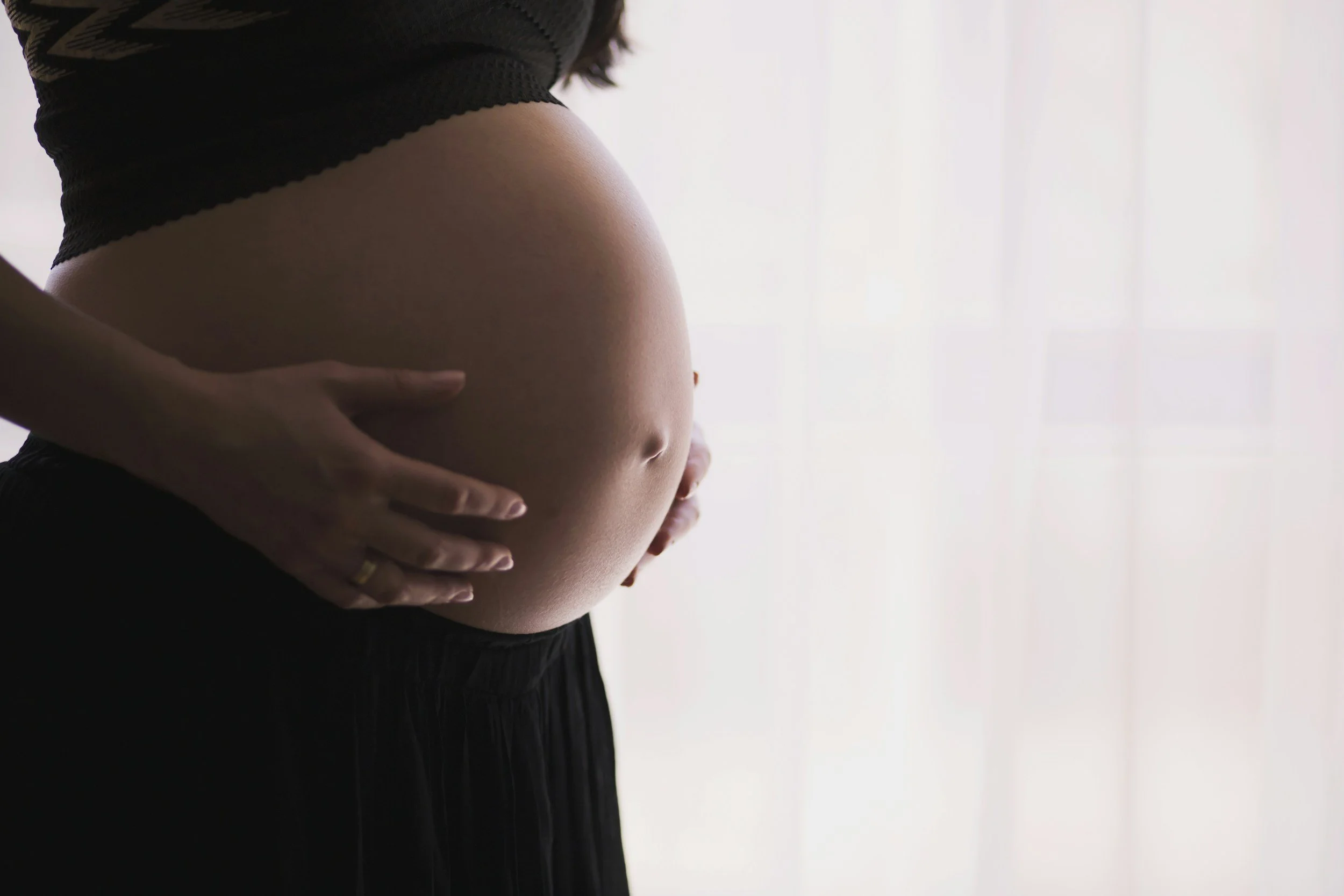
Pregnancy involves constant and unavoidable scrutiny of the body. Medical appointments that center weight. Comments from family and strangers about how you look. A body that is changing in rapid and often unpredictable ways. Cultural messaging about bouncing back, staying healthy for the baby, and managing pregnancy weight. For someone with any history of disordered eating, this environment can be profoundly destabilizing.
The postpartum period brings its own pressures. The relentless cultural narrative about returning to a pre-pregnancy body. The physical realities of a body that has just done something extraordinary and is still recovering. The exhaustion, the identity shift, and the loss of the self that existed before motherhood, all of which can activate or worsen eating disorder symptoms in ways that often go unrecognized and untreated.
We also know that eating disorders in moms do not always develop or worsen in the postpartum period. Some mothers have been managing disordered eating for years before they became parents and are now navigating the specific challenge of healing from something while simultaneously being the primary model for how another person relates to food.
The fear of transmission:
One of the most painful things we hear from mothers in our practice is the fear of passing on their disordered relationship with food to their children. The awareness that children watch, absorb, and internalize the food behaviors and body commentary they witness. The weight of knowing that the relationship with food modeled in the home shapes the relationship with food children carry into adulthood.
That fear is real and it deserves to be taken seriously. It is also worth knowing that seeking support for your own eating disorder is one of the most protective things you can do for your children. Not because you will become a perfect model. Because healing changes what you model to your children. Slowly, in ways that matter.
Fertility, pregnancy loss, and eating disorders:
The intersection of eating disorders and the perinatal period extends beyond pregnancy and postpartum. Fertility treatment involves intense medical scrutiny of the body in ways that can be profoundly activating for someone with an eating disorder history. The medicalization of the body during fertility treatment, the weight monitoring, the focus on physical outcomes, all of this can reactivate patterns that felt resolved or at least manageable.
Pregnancy loss is a grief that lives in the body in specific and often underrecognized ways. The physical experience of loss, alongside the emotional grief, can intensify the already complicated relationship a mother may have with her body. We work with mothers navigating the grief of pregnancy loss and the ways it intersects with eating disorder history and body image with care, specificity, and genuine clinical experience.
How Thrope Therapy works with mothers:
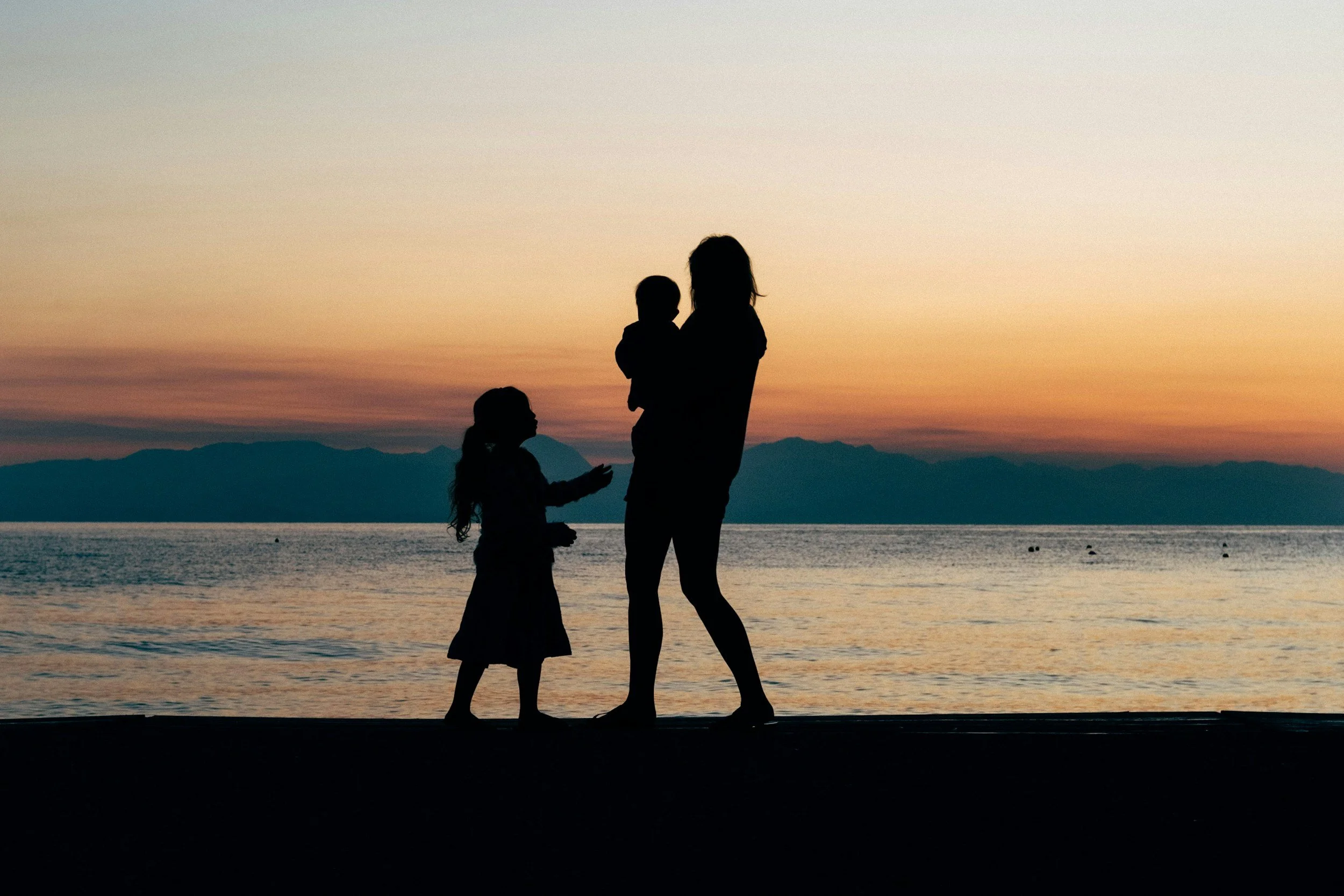
We work with mothers at every stage, from those who are struggling with eating disorder symptoms during pregnancy to those who are years into motherhood and realizing that something they thought was behind them has returned. We also work with mothers who are not sure whether they have an eating disorder but know that their relationship with food and their body is complicated and affecting their family life.
Our approach is weight-inclusive, HAES-aligned, and deeply informed by the specific relational and emotional complexity of motherhood. Sessions address the eating disorder itself, the underlying emotional patterns it has been serving, the impact of pregnancy and postpartum on body image and relationship with food, and where relevant, the fear of transmission and what doing this work means for the family system.
We understand that mothers carry a particular kind of weight that goes beyond the eating disorder. We are here for all of it.
FAQs
I struggled with an eating disorder before I had children and thought I was recovered. Why is it coming back now?
Recovery is not always linear and life transitions, particularly major ones like pregnancy, postpartum, and the relational shifts that come with motherhood, can reactivate patterns that felt resolved. This is not a failure of your previous recovery. It is an invitation to go deeper.
I am worried about how my eating disorder is affecting my children. Is that something we would address in therapy?
Yes. The impact of a mother's eating disorder on her children and the fear of transmission is something we work with directly. We also hold the complexity of this carefully, because shame about the impact on your children is rarely helpful and is often another layer of the eating disorder itself.
I am currently pregnant and struggling. Is it safe to be in therapy right now?
Yes. Therapy during pregnancy is safe and often particularly important for someone with an eating disorder history. We coordinate with your medical team when that is appropriate and are experienced working in the perinatal context.
I had a miscarriage and am struggling with my body and my relationship with food. Is that something you work with?
Yes. Pregnancy loss and the grief that lives in the body afterward is something we hold with genuine care and clinical specificity. You do not have to separate the grief from the eating disorder. We work with both.
You deserve support that sees the whole picture. The mother, the person, the history, and the hope. In-person in Midtown Manhattan, virtual across NY, NJ, MA, and CT.
Free consultations are available.
Our Compassionate Team of therapists


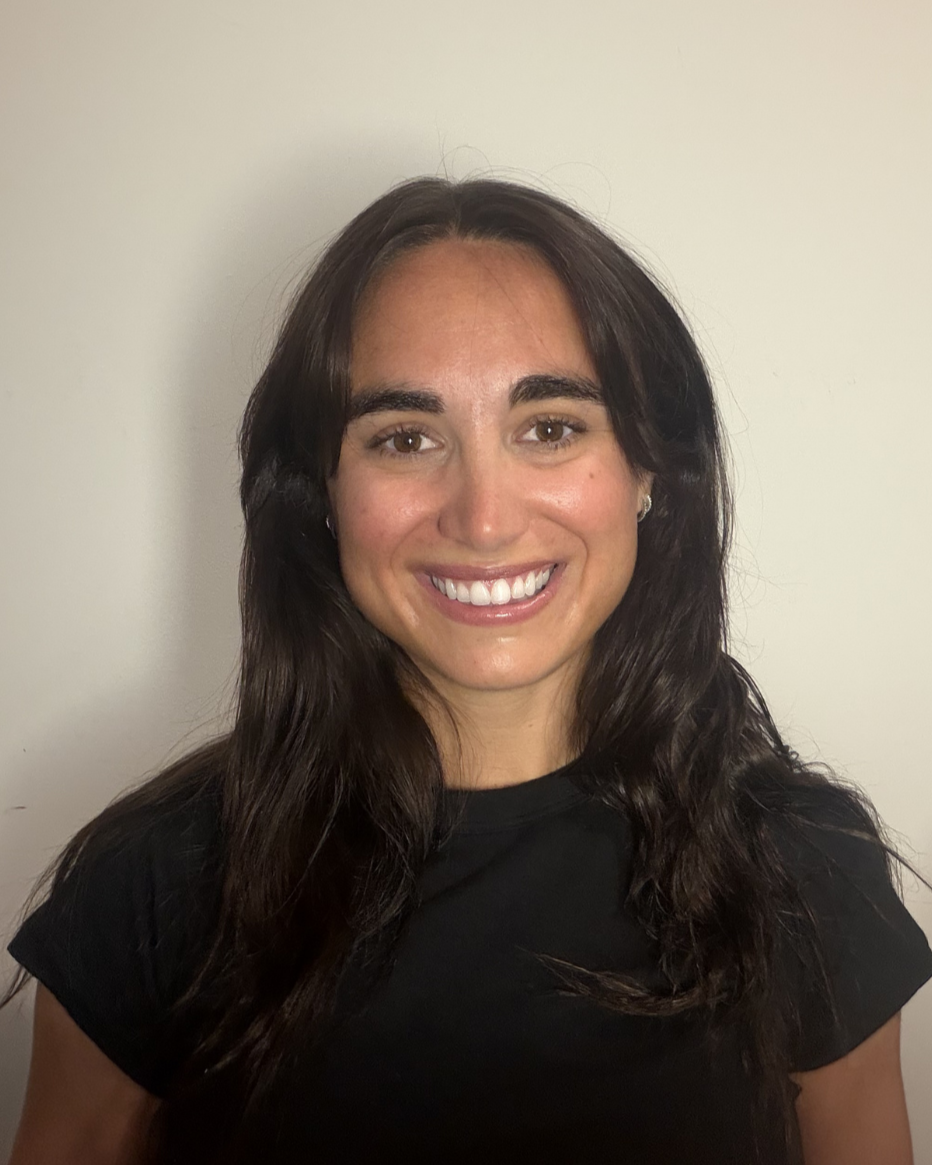
Olivia Lombardo
Associate Therapist
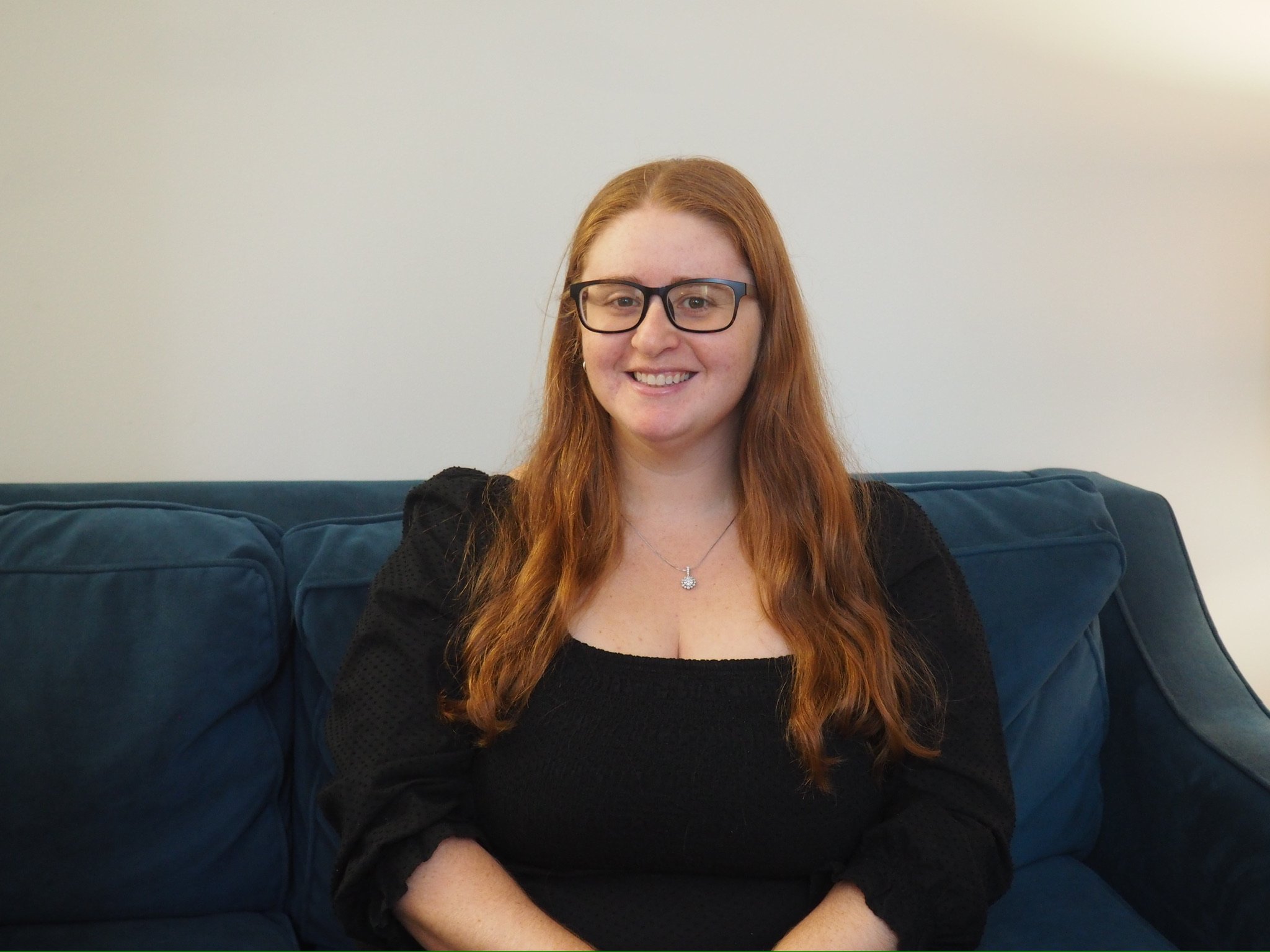
Olivia helps clients heal from disordered eating and find strength, balance, and connection in daily life.