
Eating Disorder Recovery in New york
Reclaim Your Life Beyond Food and Body Struggles

Coping with an eating disorder can feel isolating and overwhelming. Whether you’re struggling with constant thoughts about food, guilt after eating, or the pressure to change your body, you don’t have to go through it alone. At Thrope Therapy, we provide a safe and supportive space to help you find healing, freedom, and a healthier relationship with food and your body.
Constant Food & Body Thoughts? The cycle of counting, restricting, or obsessing about food and weight can take over your days and your sense of self.
Avoiding Social Situations? Skipping meals with friends, hiding eating habits, or worrying about how your body looks can make connection feel impossible.
Physical Symptoms? Fatigue, dizziness, digestive issues, or changes in weight can all be signs your body is under strain from disordered eating.
Overwhelmed by Guilt or Shame? That critical inner voice can feel relentless, leaving you stuck in patterns that are hard to break alone.
Recognizing these signs is a powerful first step. If an eating disorder is impacting your health, relationships, or quality of life, you deserve support, healing, and a path toward peace with food and your body.
Why Eating Disorder Therapy Matters
Signs You May Be Struggling With an Eating Disorder

Eating disorders can affect people of all ages, genders, and body types. Some common experiences include:
Restricting food or calories
Binge eating or feeling out of control around food
Purging behaviors or laxative use
Guilt, shame, or anxiety about eating
Obsessive thoughts about food, weight, or body size
Over-exercising or rigid food/exercise rules
Social withdrawal because of food or body image concerns
If any of these feel familiar, reaching out for support is an important step toward recovery.
Our Approach to Eating Disorder Therapy in NYC
Recovery looks different for everyone, which is why we create individualized treatment plans that honor your unique needs. Our therapists work from a weight-inclusive, non-diet framework, helping you dismantle harmful beliefs about food and body image while practicing skills that support long-term healing.
We integrate Intuitive Eating principles, body-based strategies, and evidence-based therapeutic approaches to help you:
Reduce shame and self-criticism
Quiet the “eating disorder voice” that drives harmful behaviors
Reconnect with your body’s signals for hunger, fullness, and rest
Build a more peaceful and flexible relationship with food
Our Compassionate Team of therapists
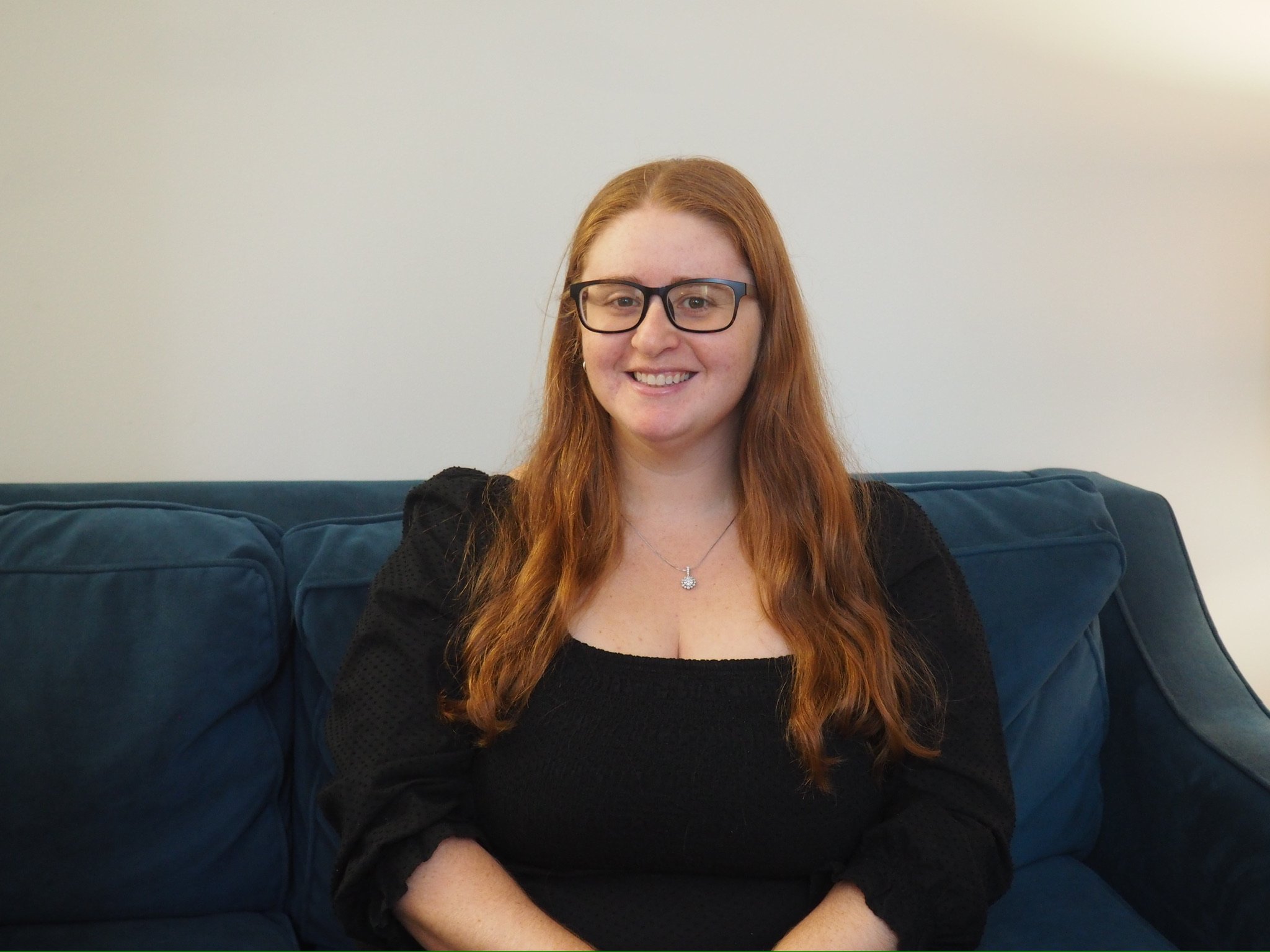


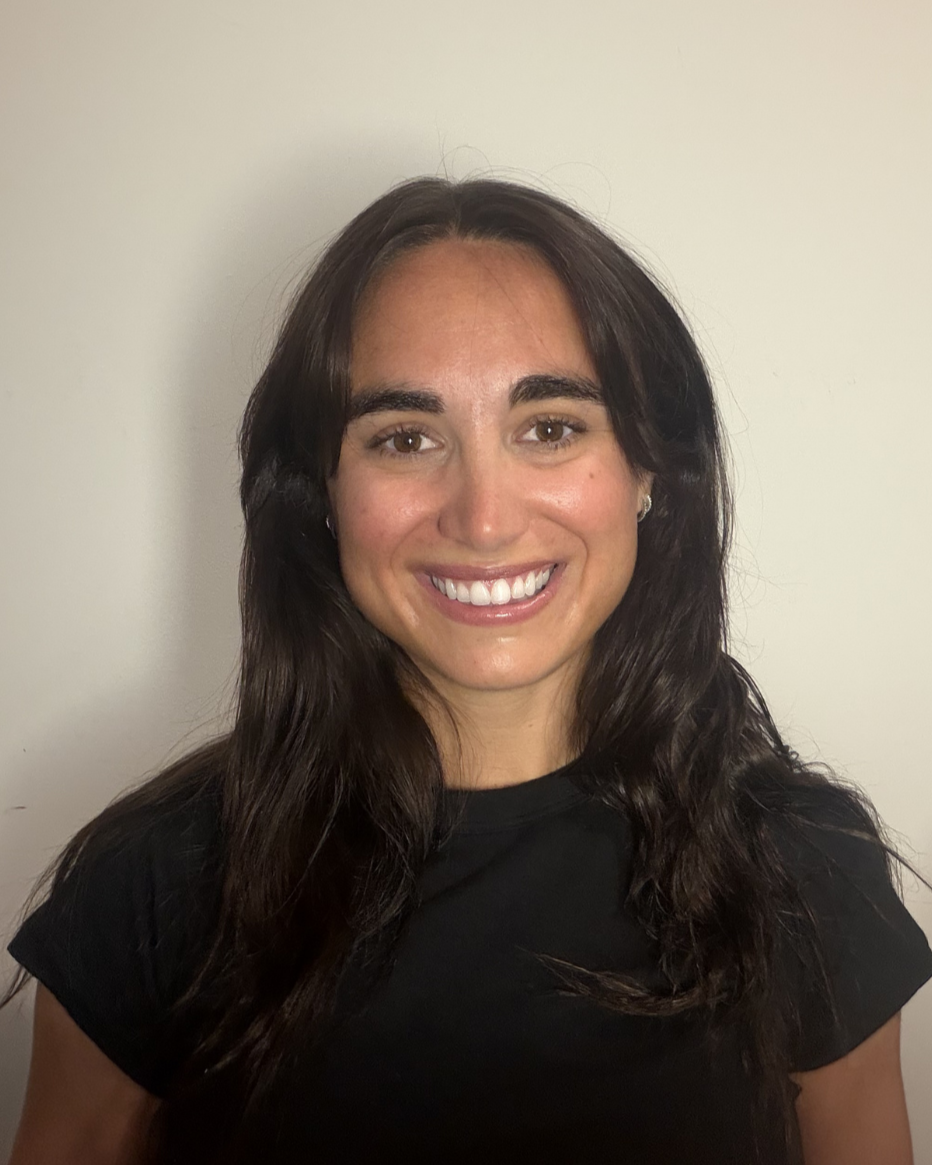
Olivia Lombardo
Associate Therapist
Olivia helps clients heal from disordered eating and find strength, balance, and connection in daily life.

Expertise You Can Trust
Our founder, Lily Thrope, Licensed Clinical Social Worker and Certified Intuitive Eating Counselor, leads a team of therapists experienced in treating disordered eating, anorexia, ARFID, bulimia, orthorexia, binge eating disorder, and body image challenges. We take time to understand your lived experience and walk alongside you in recovery with empathy and respect.
We believe eating disorder recovery is most effective when care is collaborative. With your consent, we work closely with your treatment team—including dietitians, psychiatrists, and medical providers—to ensure you have the comprehensive support you need.
Intuitive eating is a compassionate self-care eating framework that's rooted in dignity and respect for all bodies.
FAQs
What types of eating disorders do you treat at Thrope Therapy?
We treat the full spectrum of eating disorders including anorexia nervosa, bulimia nervosa, binge eating disorder, ARFID, orthorexia, exercise bulimia and disordered eating that does not fit a single diagnosis. Every clinician on our team has specialized training in eating disorder treatment. We also work with people who have a complicated relationship with food, but are not sure whether it meets clinical criteria. If food or your body is causing significant distress, that is enough to reach out.
Do I need to have been in a treatment program before working with you?
No. We work with people at all stages, including those who have never been in formal treatment, those stepping down from residential or PHP programs, and those who have been in outpatient therapy before and are looking for a better fit. You do not need a prior treatment history to receive high quality care.
What does eating disorder therapy at Thrope Therapy actually look like?
Sessions are 45 to 55 minutes and held weekly. We take a weight-inclusive, HAES-aligned approach, which means your body is never the target of treatment. We focus on understanding the emotional function your eating disorder has been serving, building new coping tools, and slowly expanding your relationship with food and your body. We use approaches including CBT, DBT skills, narrative therapy, ACT and intuitive eating depending on what fits each client.
Is weight restoration a goal of treatment?
Weight restoration may be clinically necessary for some clients and we work collaboratively with medical providers when that is the case. Our approach is weight-inclusive throughout, meaning we never use weight as the primary measure of recovery progress. Weight is one data point that can be used to assess for medical stability, but it is not the only data poing we look at. What matters most is how you feel, how you function, and what your relationship with food and your body looks like over time. We collaborate with dietitians, doctors and psychiatrists to create an individualized plan.
How long does eating disorder treatment take?
Eating disorder recovery is not linear and there is no single timeline. Some clients work with us for six months. Others stay for two or more years. The pace of treatment depends on the history, severity, and goals of each individual. What we can tell you is that we are committed to working at a pace that feels sustainable and that we will always be honest with you about where things stand.
Do you work with clients who are also seeing a dietitian or medical provider?
Yes, and we actively encourage a team approach for eating disorder treatment. We are happy to collaborate with your dietitian, physician, or psychiatrist and can provide referrals to providers we trust in the New York City area, including our Recovery Supper Club co-host Chelsea Levy, MS, RD.