
ORTHOREXIA & Disordered Eating Therapy in New York

Shifting From Food Rules to Food Freedom
Orthorexia often begins with good intentions, wanting to nourish your body, eat “clean,” or take care of your health. Over time, though, the pursuit of “perfect” eating can become exhausting, restrictive, and all-consuming.
You might feel anxious when certain foods aren’t available, overwhelmed by food rules you didn’t mean to create, or disconnected from your body’s natural cues. What once felt empowering may now feel rigid, isolating, or even scary.
If food choices are starting to limit your life instead of supporting it, therapy can help you find balance again.
What Orthorexia Can Look Like
Orthorexia isn’t just about healthy eating, it’s about the fear of being “unhealthy.” People often experience:
Strict rules around foods, ingredients, or preparation
Avoiding social events due to fear of “unsafe” foods
Feeling guilt or shame when eating something outside the rules
Over-researching ingredients or “clean eating” guidelines
Anxiety around meals prepared by others
Difficulty trusting your body’s hunger/fullness cues
A sense of identity tied to “being healthy” or “being disciplined”
You deserve a relationship with food that is flexible, nourishing, and grounded in compassion, not fear.

Why Orthorexia Happens
Orthorexia can be influenced by many factors, including:
Chronic dieting or “wellness culture” messaging
Pressure to look a certain way or achieve “optimal health”
Medical conditions that make food feel complicated
Anxiety, perfectionism, or people-pleasing patterns
Trauma or major life transitions
Social media and comparison
A desire for control when life feels unpredictable
None of this is your fault. You didn’t choose to develop anxiety around food. It’s a response to deeper needs, pressures, and emotions.
Our Compassionate Team of therapists
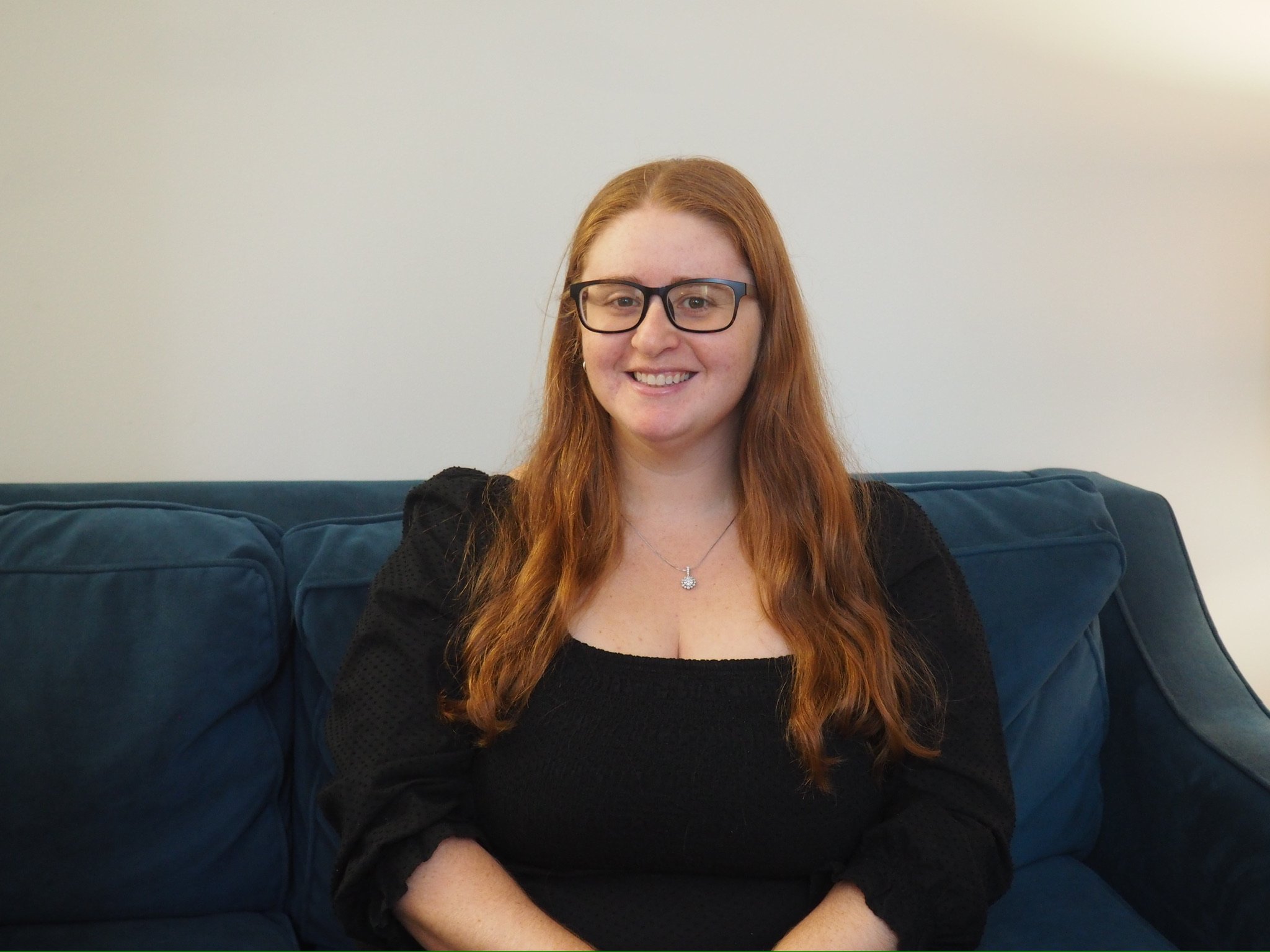


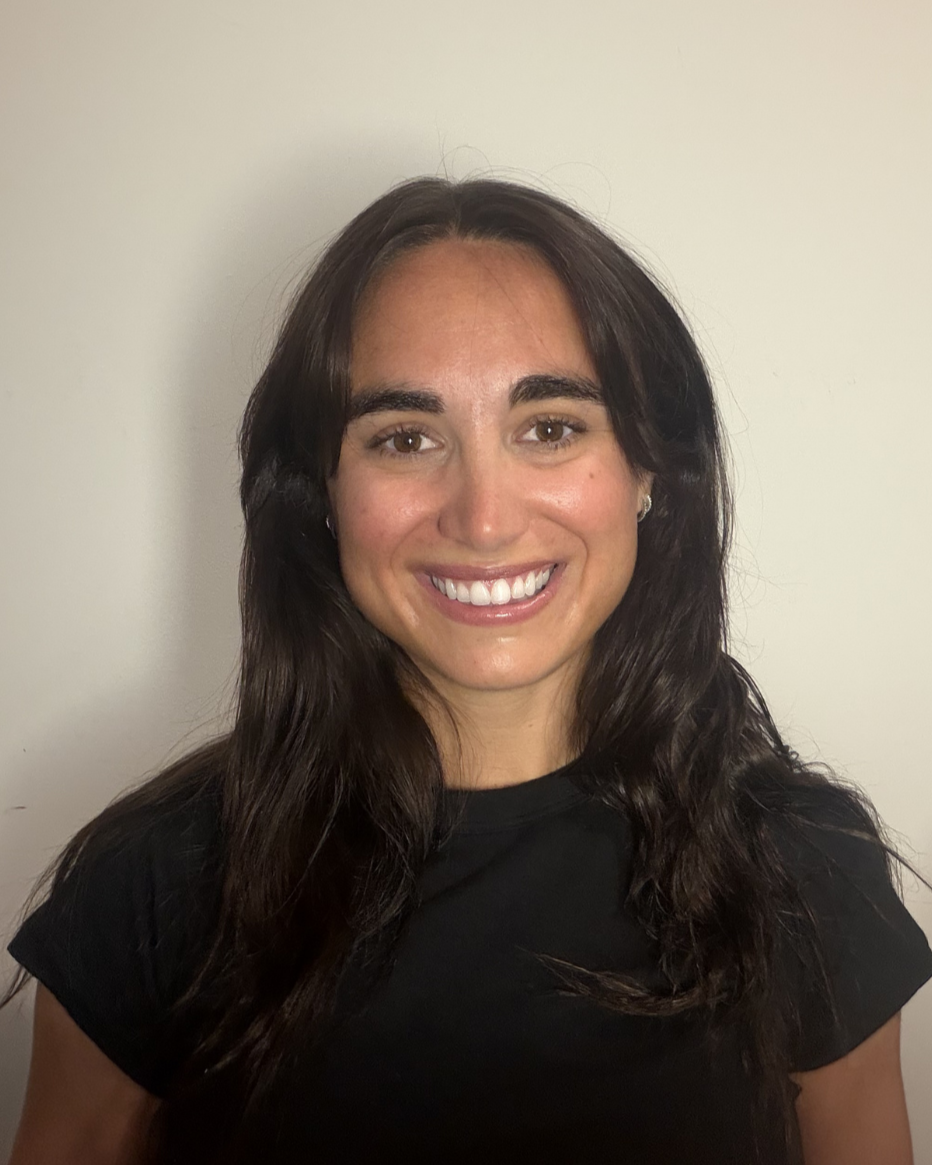
Olivia Lombardo
Associate Therapist
Olivia helps clients heal from disordered eating and find strength, balance, and connection in daily life.
Caring About Health vs. Orthorexia
It’s completely natural to care about what you eat. Choosing nutritious foods, cooking meals with intention, and prioritizing wellness are all positive habits. Caring about your health doesn’t mean something is wrong. In fact, it’s a sign you value yourself and your body.
The difference lies in how much control, stress, and fear are attached to those choices. Orthorexia occurs when the desire to eat “well” starts to dominate your thoughts, emotions, and daily life in ways that feel rigid, punishing, or anxiety-driven.
Here are some ways to recognize the difference:
Healthy Relationship With Food
Food choices are guided by curiosity, pleasure, and information, not fear.
Flexibility exists; meals and routines can adapt without intense anxiety.
Eating is part of life, not the central source of identity or self-worth.
Social meals are enjoyable, even if not all foods fit your usual preferences.
You feel calm, satisfied, and nourished after eating.
Orthorexic Patterns
Food rules dominate your thoughts and decision-making.
Anxiety, guilt, or shame arise if you deviate from your “rules.”
Eating habits are tied to your sense of worth, discipline, or safety.
Social situations feel stressful or require strict planning to manage foods.
Meals can feel tense, restrictive, or isolating, rather than satisfying.
Therapy doesn’t ask you to abandon your values, nutrition goals, or wellness intentions. Instead, it helps reconnect with your body, expand flexibility, and reduce the fear-based patterns that can make health feel controlling instead of supportive.
With guidance, you can enjoy food with curiosity, trust your body’s signals, and maintain your wellness goals, without fear, shame, or rigidity. Healing from orthorexia means transforming your focus on “perfect eating” into a balanced, nourishing, and sustainable approach to health.

How Therapy Helps With Orthorexia
Therapy provides a safe, shame-free place to explore your relationship with food and understand what’s driving the rigidity or fear underneath.
Together, we can work on:
✔ Rebuilding flexibility and ease with food
Learning how to let go of rigid rules and reconnect with what your body actually needs.
✔ Reducing anxiety around “unsafe” or “off-limits” foods
Understanding where fear comes from and helping your nervous system feel safe again.
✔ Untangling your identity from food choices
You are so much more than what you eat — and healing means reconnecting with that truth.
✔ Healing perfectionism, comparison, and pressure
We’ll explore the internal and external forces that have shaped your beliefs.
✔ Reclaiming joy and connection around eating
So meals become moments of nourishment and presence, not stress or judgment.
You Deserve a Peaceful Relationship With Food
Orthorexia can make your world feel smaller…fewer foods, fewer options, fewer moments of joy. Therapy helps you widen that world again.
You don’t have to live in fear of making the “wrong” choice.
You don’t have to follow rigid rules just to feel safe.
You don’t have to do this all alone.
FAQs
What is orthorexia and how is it different from eating healthily?
Orthorexia is an obsessive preoccupation with eating foods considered pure, clean, or healthy, to a degree that causes significant distress and interferes with daily life. The difference between orthorexia and genuinely healthy eating is the rigidity, the anxiety when rules are broken, and the way food rules expand over time rather than staying stable. If your food rules are causing you anxiety, social isolation, or a growing list of foods you cannot eat, that is worth paying attention to and getting support with.
Is orthorexia a formal diagnosis?
Orthorexia is not currently listed as a standalone diagnosis in the DSM-5, but it is widely recognized by eating disorder specialists as a clinically significant pattern that causes real harm. At Thrope Therapy we treat orthorexia as a serious eating disorder regardless of its diagnostic status. You do not need a formal diagnosis to deserve support.
How does orthorexia treatment work?
Treatment focuses on understanding the anxiety and need for control that underlies the food rules, gradually challenging the rules in a manageable and collaborative way, and rebuilding a relationship with food that is flexible rather than fear-based. We never dismiss the original health intentions behind orthorexia. We work with the underlying anxiety while slowly expanding what eating can look like. We help clients increase distress tolerance and find more safety in their mind around food.
I found out about orthorexia through wellness content online. How do I know if this is me?
Common signs include spending significant time researching food ingredients, feeling intense anxiety when eating foods outside your rules, declining social events where you cannot control what is served, experiencing a growing list of forbidden foods over time, and measuring your self-worth against how clean you ate that day. If any of these resonate, a consultation with an eating disorder specialist is worth pursuing.
Can someone have orthorexia and also struggle with restriction or bingeing at the same time?
Yes. Eating disorders frequently overlap and orthorexia often coexists with restrictive patterns or reactive eating. Treatment at Thrope Therapy addresses the full picture rather than a single diagnosis in isolation.