Looksmaxxing, Thinmaxxing, Strengthmaxxing
Looksmaxxing, Thinmaxxing, Strengthmaxxing: When Self-Improvement Becomes a Body Image Crisis
The scary trend of maximizing everything on social media is impacting mental health. The amount of time, money and energy spent on optimizing looks is very concerning to me as a therapist in NYC.
One word I keep seeing in the cultural conversation right now is Optimize. It sums up the concept of maxxing pretty well.
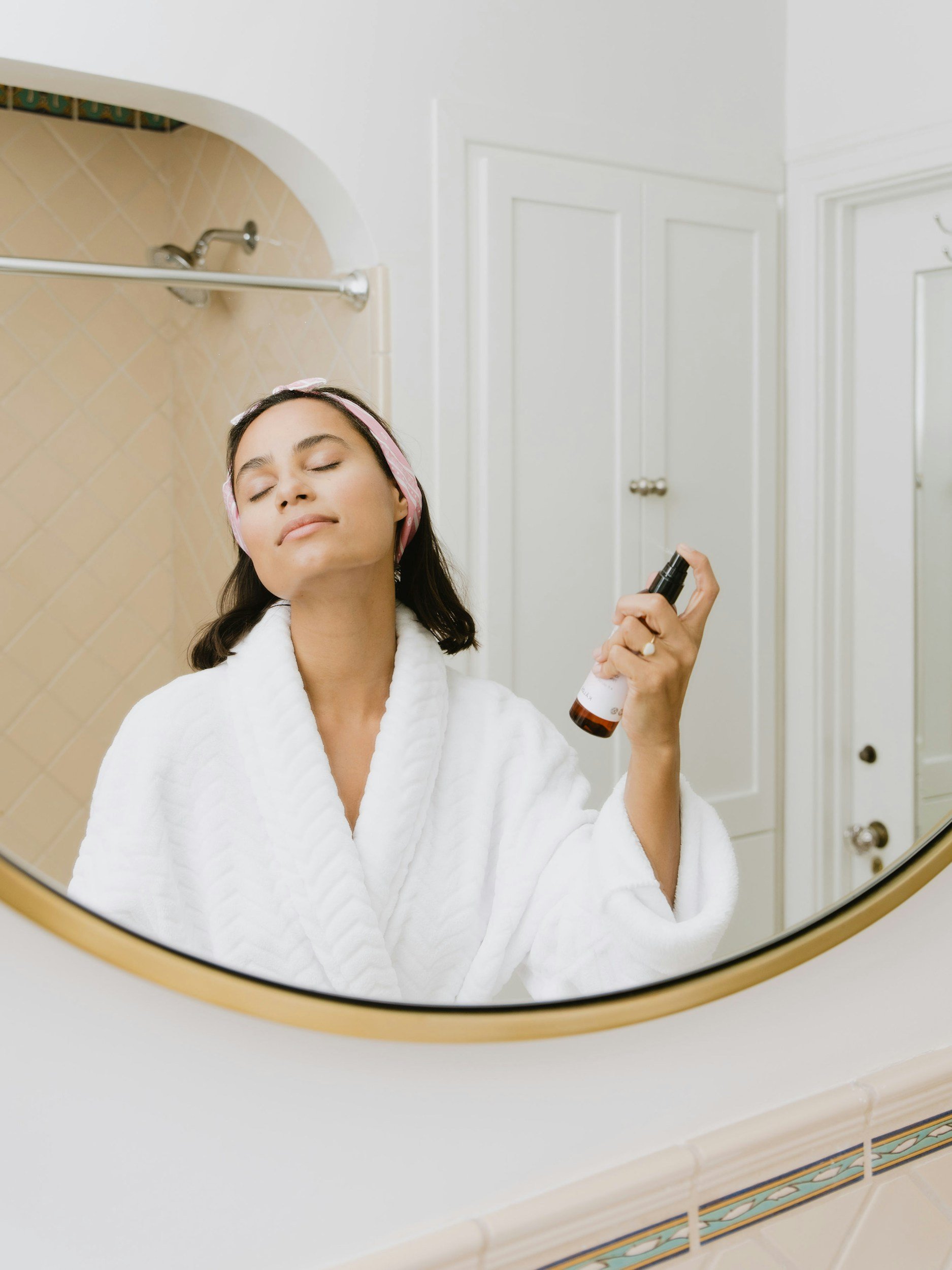
As I scroll through my own social media feed I see posts about how to optimize your sleep. optimize your nutrition, optimize your appearance, optimize your skincare, optimize your parenting, ultimately selling the idea that you can optimize your life.
I can’t help but think of movies like Click, Wall-E and others that tackle what our society will look like once everything is automated and optimized. It takes the human-ness out of living.
Looksmaxxing, for those who have not encountered it yet, is a social media trend centered on maximizing your physical attractiveness through any available means. Skincare routines, jaw exercises, specific diets for body recomposition, grooming protocols, and for some, cosmetic procedures and more extreme interventions. The goal is to reach the physical maximum of what your genetics allow by becoming the best looking version of yourself. This also goes beyond genetics, promoting things like plastic surgery and other cosmetic ways to change your appearance.
It can sound like self-care at first glance and might rope people in with that promise, but I want to explain why I think there is something much deeper, darker and potentially dangerous about this trend.
The optimization problem
The word optimize tells you something important about how looksmaxxing understands the human body. You optimize a system, process or machine, you do not optimize a person.
When we apply optimization language to human bodies, we are implicitly accepting a framework that treats people as products with a possible maximum output. A version of themselves that they are either achieving or failing to achieve. And that framework, regardless of how it is packaged, is the same framework that drives mental illnesses like eating disorders.
The eating disorder does not care whether the goal is thinness or muscularity or a specific jaw shape. What matters clinically is the obsessive relationship with the body as something that needs to be fixed, the measuring of self-worth against physical progress, and the willingness to cause harm in service of an aesthetic goal. When we look at eating disorders we are looking at how much the distress is impacting ones life. The idea of always focusing on maximizing looks can be incredibly distressing. Oftentimes it is linked with orthorexia.
A 2025 survey found that nearly half of participants under 24 who engaged with looksmaxxing content were considering surgery, and over 55 percent reported stress or anxiety linked to appearance enhancement. Those are not the numbers of a wellness trend. Those are the numbers of a body image crisis.
Why this is particularly concerning for teenage boys and young men
Looksmaxxing is primarily aimed at young men. Researchers estimate that one in three people struggling with eating disorders are male, yet the traditional view that eating disorders are a girl's and women's illness lingers in both societal understanding and healthcare.
This means that the obsessive, appearance-focused behaviors that looksmaxxing promotes in young men are unlikely to be recognized as eating disorder symptoms. They are more likely to be praised as fitness goals and prioritizing health. The boy who is tracking his macros meticulously, spending hours in the gym, restricting specific food groups to change his body composition, and measuring his face for symmetry is not going to be asked whether he has an eating disorder, he is likely going to be called disciplined and praised for that.
In the documentary “The Manosphere” with Louis Theroux there are many examples of men touting control over their bodies as a main value and thing to achieve. Each man featured promotes this form of control as something that has made them successful financially and relationally with women.
That is the same dynamic that keeps eating disorders in men undiagnosed and untreated for years. The disorder hides inside the language of self-improvement and nobody is exploring what is underneath.
The self-worth equation
What concerns me most as a therapist is not the specific behaviors looksmaxxing promotes, but the belief system that is pervasive in these conversations. The idea that your physical appearance is something you owe the world and are fully in control of. That you are not enough if you are not prioritizing your looks above all else. That optimization is an ongoing obligation to be worthy. The emphasis being placed solely on looks also leaves out an entire conversation around what it really means to be a good person or focus on your broader values, like community, family or kindness.
That belief system, once internalized, does not stay in the domain of grooming and fitness. It spreads and can shape how someone moves through every room they enter. It shapes what they allow themselves to want, to say and to take up space doing.
The body is not the problem. The story about the body is the problem.
A person who genuinely feels at home in their body does not need to optimize it. They might choose to take care of it. To move it, feed it, rest it, wear clothes that feel good on it, but those choices, when healthy, come from a place of care and respect rather than from a place of correction and control.
What I want young people to know
You are not a product, you do not have a maximum potential that can be reached through the right protocol, you are not a before or after photo. What I really mean to say is that you are not only those things. You can take care of your health with behaviors that are aligned with your values, but you are so much more than your actions and behaviors. You are you and the you I connect with is deeper than the discipline you can prove on the outside. It is the you in the quiet moments.
The amount of time and energy that optimization culture wants you to spend on your physical appearance is time and energy that cannot go anywhere else. Into relationships, into creative work, into figuring out what you actually think and feel and want from your life.
That trade is not worth it, and I say that as someone who works with people who made that trade, and I also made that trade myself while I was in my own restrictive eating disorder. Often people make this choice before they are old enough to understand what they are agreeing to and the impacts it can have long term. As a young person it is so hard to not feel invincible, but I can assure you that our actions have consequences, sometimes visible and sometimes not. The scariest impact is the impact on your relationship with yourself in your own head and how that can haunt you for years if not treated early.
If you are a parent reading this
The signs of looksmaxxing-related distress in young men often do not look like an eating disorder. They look like dedication: increased gym attendance, meticulous attention to food, researching supplements and protocols, spending significant time on grooming and appearance, distress when plans change, control over other areas of life and more.
The question to ask is not what are you eating, but, how much space is your appearance taking up in your mind right now. That question, asked with genuine curiosity opens the door. So many teens I meet have never been asked about this and it can open up a lot about what they are going through.
If you are a young person reading this
If the relationship you have with your body is exhausting, if the project of optimizing yourself feels endless and never quite finished, if the time you spend thinking about how you look is time you are not spending on anything else, that is worth paying attention to.
Not as evidence that something is wrong with you, as evidence that the framework you have been handed is not serving you. That you are ready to explore what that focus is taking away from your life and how you can get back some of your own headspace.
You are allowed to exist in your body as it is, that is not settling, that is actually one of the hardest and most meaningful things a person can learn to do.
Lily Thrope, LCSW is a licensed clinical social worker and certified intuitive eating counselor, and the founder of Thrope Therapy LCSW PLLC, a boutique group eating disorder practice in Midtown Manhattan. She specializes in eating disorders, body image therapy, and disordered eating for teens and adults. In-person in New York City, virtual across NY, NJ, MA, and CT. Free consultations available at thropetherapy.com.