7 Myths About Eating Disorders in Teens Every Parent Should Know
7 Myths About Eating Disorders in Teens Every Parent Should Know
Written by Lily Thrope, LCSW
Eating Disorders Don't Always Look the Way You Expect
When most people picture someone with an eating disorder, they have a specific image in mind. Maybe they imagine someone in a smaller body who barely eats or someone whose physical health has become visibly compromised.
But eating disorders don't have one particular look, and believing they do can prevent teenagers from getting the support they need.
As an eating disorder therapist, one of the things I feel most passionate about is helping parents understand that eating disorders can affect anyone, regardless of their body size, gender, age, or athletic ability.
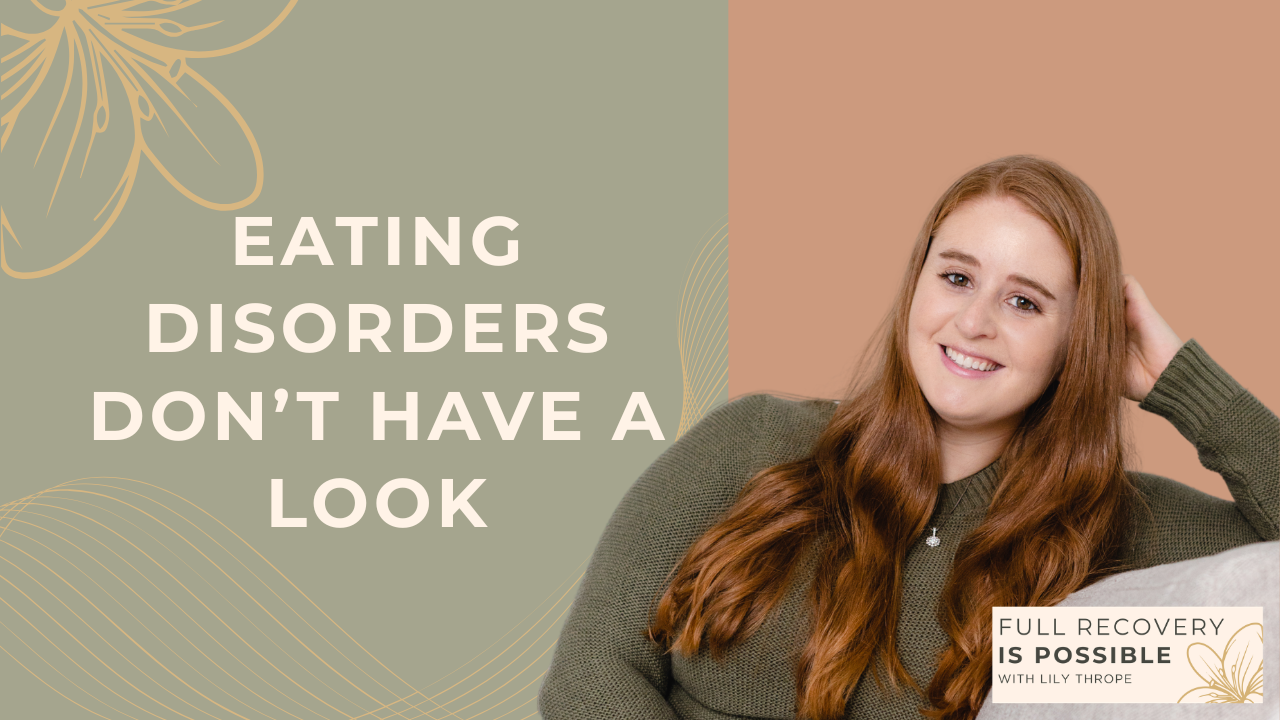
I created my limited podcast series, Full Recovery Is Possible, to help make conversations about eating disorders in teens less stigmatized and less overwhelming for parents. In this episode, I sat down with Kelly Mosser to bust some of the most common myths and misconceptions about eating disorders, including why they can be so difficult to recognize.
If you're a parent who has wondered whether your teen's behaviors are concerning enough to warrant professional support, I want to help you understand what to look for and why it's worth taking your concerns seriously.
Here are seven common myths about eating disorders in teens that I want every parent to know.
Myth #1: Eating Disorders Only Affect Teens in Smaller Bodies
The truth: Eating disorders can affect teenagers in bodies of all sizes.
This is one of the most important misconceptions I want to address.
We live in a culture that often treats body size as an indication of someone's health and well-being. As a result, people may assume that someone in a larger body couldn't possibly have an eating disorder or that someone needs to look visibly unwell before their struggles are taken seriously.
Neither assumption is accurate.
Eating disorders can affect people in larger bodies, smaller bodies, and bodies in between. Unfortunately, when we expect eating disorders to have a particular appearance, we risk overlooking people who are struggling but don't fit that stereotype.
One example is atypical anorexia nervosa. This diagnosis involves the restrictive eating and other psychological features of anorexia nervosa without the low body weight criterion associated with a diagnosis of anorexia nervosa. Despite the name, the distress and medical risks can be serious.
I also want parents to understand that eating disorders aren't limited to one age group. They can develop during childhood, adolescence, adulthood, and later life.
What should parents look for instead?
I encourage parents to pay attention to the distress their teen is experiencing around food, eating, and their body rather than focusing exclusively on their appearance.
For example, consider what happens when plans involving food change unexpectedly.
Maybe your family planned to go out for sushi, but the restaurant has a long wait, so you decide to get pizza instead. Does your teen become extremely distressed? Do they feel compelled to exercise afterward to compensate for what they ate?
A strong reaction to a change in plans doesn't automatically mean an eating disorder is present. However, when food-related changes consistently create significant distress or lead to compensatory behaviors, it's worth exploring what's happening.
An eating disorder isn't defined by what someone's body looks like. Their relationship with food and the distress they're experiencing matter, too.
Myth #2: If My Teen Eats at Home, They Can't Have an Eating Disorder
The truth: Eating disorders don't always involve refusing food altogether.
There's a common misconception that having an eating disorder means barely eating anything at all.
In reality, eating disorders can involve many different patterns of behavior. A teenager may eat meals with their family and still struggle with restrictive eating, intense food-related anxiety, or other disordered eating behaviors.
When I talk about restriction, I'm referring to eating less than your body needs. Someone can experience restriction even if they're eating regularly or don't appear to be skipping meals.
It's also important to understand that people can struggle with eating for different reasons. Some teens restrict food because they're trying to change their bodies. Others may avoid foods because of sensory sensitivities or fear surrounding certain foods.
The reasons behind someone's eating difficulties matter when determining the appropriate treatment, but inadequate nourishment can affect physical and psychological health regardless of the reason.
Look beyond whether your teen is eating
Rather than asking only whether your teen is eating meals, consider the bigger picture.
Is your teen becoming increasingly rigid about what they'll eat?
Are they experiencing significant distress around meals or changes to their food?
Are they exercising excessively while not eating enough to support their needs?
Does food seem to be taking up a growing amount of their mental energy?
These questions can help you recognize when it's worth seeking additional guidance.
You don't need to know exactly what's happening before reaching out to a professional who specializes in eating disorders.
Myth #3: My Teen Will Grow Out of It, So We Should Wait and See
The truth: You don't have to wait for disordered eating to become more severe before seeking support.
This is a difficult one for parents because it's natural to wonder whether a behavior is temporary.
Teenagers go through many changes as they grow. Their interests, preferences, friendships, and habits evolve, and not every change signals a serious problem.
However, when it comes to eating disorders, I don't recommend assuming that concerning behaviors will simply disappear on their own.
Even if a struggle with food or body image seems relatively minor right now, getting support can help your teen develop skills for navigating difficult emotions, stress, and other challenges.
I often think about how many transitions teenagers have ahead of them. Applying to college, starting new relationships, navigating changes in friendships, and figuring out who they are can all bring uncertainty and stress.
When teens have opportunities to build coping skills early, they have more tools available to them when those challenges arise.
I also understand that parents may worry that seeking therapy will make their teen feel labeled or cause them to believe something is wrong with them.
I encourage families to think about support differently. Getting help doesn't have to mean defining your teen by a problem. It can mean giving them a space to understand what they're experiencing and learn skills that will support them throughout their lives.
You don't need to wait until a problem becomes a crisis to take it seriously.
Myth #4: All My Teen's Friends Eat This Way, So It Must Be Normal
The truth: Some eating habits are part of social experiences, but changes in behavior and increasing distress are worth paying attention to.
Teenagers are influenced by their friends, and food is often part of how they socialize.
When I was growing up, for example, my friends and I were excited about going out for frozen yogurt. We enjoyed trying different places and making it a social activity. That wasn't inherently disordered eating; it was something we enjoyed doing together.
Similarly, a teen who loves trying new cupcakes or exploring restaurants with friends isn't necessarily exhibiting concerning behavior.
The challenge is recognizing when something shifts from an enjoyable interest into a source of distress or a pattern of behavior that's interfering with everyday life.
For example, parents might notice food disappearing quickly, their teen hiding food in their room, or significant changes in eating patterns. These behaviors can sometimes be associated with binge eating, although no single behavior is enough to determine whether someone has an eating disorder.
I also encourage parents to notice changes in their teen's mood and behavior. If your teen seems increasingly distressed, withdrawn, or preoccupied with food, it's worth exploring what's happening rather than assuming their behavior is simply a reflection of their peers.
There's no single definition of what eating should look like for every teenager. What matters is understanding your individual teen and noticing when their relationship with food or their emotional well-being seems to be changing.
Myth #5: I Asked My Teen If Anything Was Wrong, and They Said No. So They're Fine.
The truth: Teenagers may not always feel ready or able to talk about what they're experiencing.
When you ask your teen how they're doing, you might get a quick "I'm fine" or "Nothing's wrong."
It's easy to interpret that response as reassurance, especially when you're worried and hoping they're okay.
But think about how often adults do the same thing. Someone asks how you're doing, and you automatically say you're good, even when you're dealing with something difficult.
Teenagers may respond similarly. They might not know how to explain what they're feeling, may not recognize the extent of their struggles, or may simply not feel ready to talk about them.
That's why I encourage parents to focus on creating opportunities for open conversation rather than relying exclusively on direct questions about whether something is wrong.
Find opportunities to connect without pressure
One approach I often recommend is talking while you're doing something together, such as taking a walk.
Walking can create a more relaxed environment for conversation, without the intensity that can come with sitting face-to-face and feeling as though you're being questioned.
You can also show an interest in your teen's passions, hobbies, and everyday experiences.
Maybe they're creating digital art, getting invested in a television series, or navigating something happening in their friend group. Making space for them to share those interests can help build connection and make it easier to talk about more difficult topics over time.
Watching a television show together can also create opportunities for conversation. Rather than asking your teen directly about their own experiences, you might talk about a character's choices or how they handle a challenging situation.
The goal isn't to turn every interaction into a conversation about mental health. It's to help your teen feel that you're genuinely interested in their world and that they can come to you without immediately feeling judged or scrutinized.
And remember, you don't have to be a therapist to create that kind of connection.
Myth #6: My Teen's Doctor Would Have Caught an Eating Disorder by Now
The truth: Routine medical appointments don't always identify an eating disorder.
I'm incredibly grateful for the work doctors do, and medical professionals play an important role in identifying and treating eating disorders.
However, not every eating disorder is immediately apparent during a routine physical.
Some eating disorders involve changes in weight or growth patterns that may raise concerns. Others may not cause obvious physical changes, particularly early on.
A teenager may also have medical complications that aren't apparent from their appearance or from routine bloodwork alone.
For example, inadequate nourishment can affect bone health. Bone density isn't something you can assess simply by looking at someone, and evaluating it may require additional testing when clinically indicated.
This is one reason I encourage parents to share their concerns with their teen's medical provider, even if previous appointments haven't raised any red flags.
You can explain the changes you've noticed in your teen's eating habits, exercise patterns, mood, or relationship with food and ask whether further evaluation is appropriate.
Normal test results shouldn't automatically be interpreted as proof that everything is fine if concerning behaviors or symptoms are continuing.
If you're worried about your teen, you can also seek an evaluation from an eating disorder specialist who can help determine what additional support may be appropriate.
Myth #7: My Teen Is an Athlete, So They Can't Have an Eating Disorder
The truth: Teen athletes can struggle with eating disorders even when they're still performing well.
When a teenager is attending practices, competing in tournaments, and keeping up with a demanding athletic schedule, it can be difficult to imagine that something serious might be happening beneath the surface.
But athletic performance doesn't rule out an eating disorder.
The body can be remarkably resilient, and a teenager may continue participating in sports even when their food intake isn't adequately supporting their body's needs.
I'm particularly concerned when I see patterns involving increased exercise alongside reduced food intake. These behaviors can put a person's physical health at risk, even if they appear to be managing their usual activities.
I have worked with families who didn't fully recognize the seriousness of their teen's struggles until a significant medical event occurred.
I never want parents to feel that they need to wait for something like that to happen before taking their concerns seriously.
Pay attention to changes, even when your teen seems to be functioning well
If your teen is an athlete, consider whether their relationship with food and exercise seems flexible and supportive or increasingly rigid and distressing.
Are they cutting back on food while increasing their activity? Do they feel compelled to exercise even when they're exhausted or unwell? Does missing a workout create significant distress?
These patterns don't establish a diagnosis on their own, but they can be important reasons to seek professional guidance.
Your teen doesn't have to stop performing well, experience a visible physical change, or reach a medical crisis before they deserve support.
The Most Important Thing to Understand About Eating Disorders in Teens
If there's one misconception I want parents to take away from this conversation, it's the belief that eating disorders have a specific look.
That assumption can prevent teenagers who need care from getting it. When we focus too heavily on body size or visible signs of illness, we risk overlooking the distress someone is experiencing and the behaviors that may be affecting their health.
I encourage parents to look beyond appearances and pay attention to how their teen is experiencing food, eating, exercise, and their body.
How much time are they spending thinking about food? How distressed do they become when eating plans change? Are their behaviors becoming more rigid? Is their relationship with food affecting their ability to participate in everyday life?
These questions can help you recognize when something deserves further attention.
I also want parents to know that you don't have to figure everything out by yourself. If you've noticed changes that concern you, an eating disorder professional can help you understand what may be happening and determine appropriate next steps.
Eating disorders can affect anyone, and recovery is possible. Early support can make a meaningful difference.
How Thrope Therapy Can Help
At Thrope Therapy, I created a practice dedicated to eating disorder treatment because I want people and their families to know that specialized support is available.
My team and I work with clients experiencing eating disorders and disordered eating, helping them understand their relationship with food and their bodies and move toward recovery.
If you're concerned about your teenager, you don't need to wait until their symptoms become severe or until you have all the answers. Reaching out to an eating disorder professional can be a helpful first step toward understanding what's happening and exploring the support your teen may need.
Listen to Full Recovery Is Possible With Lily Thrope
This article accompanies the second episode of Full Recovery Is Possible, my limited podcast series.
In this episode, we discuss common myths about eating disorders in teenagers, including the misconception that eating disorders only affect people in smaller bodies, that parents would always recognize the signs, and that a teen's doctor or athletic performance would necessarily reveal a problem.
Listen to the episode to hear our full conversation and learn more about recognizing eating disorders and supporting your teen.