The Best Weighted Blankets for Kids
Diet culture refers to the beliefs we absorb from our environment about food, bodies, and weight. It teaches us that thinness is something we should all strive for and is associated with being healthier or more attractive. These ideas are misleading and can create unhealthy expectations around food and our bodies. Diet culture includes the feelings and attitudes we develop around dieting from those we surround ourselves with. Just like a religious or community culture, diet culture can become a shared perspective that shapes what people believe about eating, health, and what our bodies should look like. These cultural norms have been reinforced through the media and passed down across generations, continuing to shape the way we think and feel about our bodies.
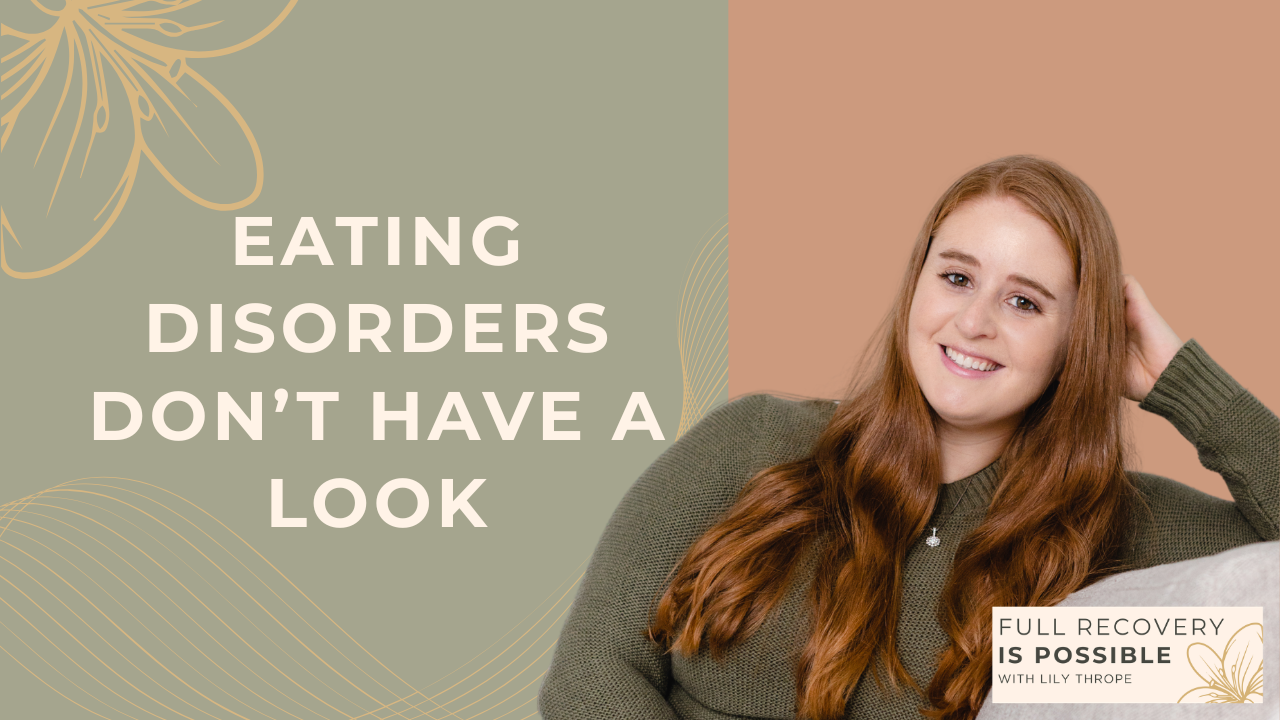
When most people picture someone with an eating disorder, they have a specific image in mind. Maybe they imagine someone in a smaller body who barely eats or someone whose physical health has become visibly compromised. But eating disorders don't have one particular look, and believing they do can prevent teenagers from getting the support they need. As an eating disorder therapist, one of the things I feel most passionate about is helping parents understand that eating disorders can affect anyone, regardless of their body size, gender, age, or athletic ability.
As a parent, you know your teenager better than almost anyone. You may notice subtle changes in their mood, behavior, or relationship with food long before you have a clear explanation for what's happening. Maybe your teen has become increasingly concerned about their appearance. Perhaps they're avoiding certain foods, withdrawing from social activities, or seeming more anxious or irritable than usual. You might have noticed these changes for weeks or months without knowing whether they're cause for concern. In my work as an eating disorder therapist, I know that recognizing the signs of an eating disorder in teens isn't always straightforward. Eating disorders and disordered eating can look different from one person to another, and some warning signs are easy to mistake for typical teenage behavior.