
Featured In: Equip - What Causes ARFID? Understanding the “Why” Behind Avoidant Eating
Maybe your child only eats a small number of foods or reacts strongly to certain textures. Perhaps your meals feel stressful, or eating just doesn’t come easily. If that sounds familiar, you’re not imagining it, and you’re not alone. For some people, these patterns are part of an eating disorder called avoidant/restrictive food intake disorder (ARFID). But what causes ARFID?
Like all eating disorders, ARFID doesn’t have a single cause—it typically develops from a mix of biological, environmental, and psychological factors. One thing that makes ARFID different, though, is that it isn’t driven by body image or a desire to lose weight. It’s often shaped by things like sensory sensitivities, differences in appetite, and fear or anxiety around eating.

I Started Dieting in Fifth Grade
Lily is the founder of Thrope Therapy, a boutique group practice in Midtown Manhattan specializing in eating disorders, body image, and related concerns. She is a licensed clinical social worker and certified intuitive eating counselor, and the founder of the Recovery Supper Club, a free monthly dinner gathering for people in recovery in New York City.

Is My Teenager's Relationship With Food Normal? Signs to Watch For
Adolescence is genuinely a complicated time for food and bodies. Teenagers are undergoing real physiological changes. They are developing their own identities and testing independence, including around food choices. They are swimming in a social media environment that is saturated with diet culture, fitness content, and body commentary. Some food experimentation and self-consciousness about appearance is developmentally typical. This makes it genuinely hard to know when something has shifted from normal teenage behavior into something that warrants real concern. The line is not always obvious, and teenagers are often skilled at minimizing what is happening, whether or not they are doing so consciously.

How to Find an Eating Disorder Therapist in New York City
In New York City, most therapists list eating disorders as one of many things they treat. You will find eating disorders alongside anxiety, depression, relationship issues, life transitions, and trauma on the same profile. That is not necessarily a red flag. A therapist can genuinely work well with a client whose eating disorder co-occurs with depression or anxiety. What matters is whether eating disorders are a genuine clinical focus, not just a checkbox. And there are ways to tell the difference.

What Does Orthorexia Look Like? Signs Your Healthy Eating Has Become a Disorder
Orthorexia nervosa is an eating disorder characterized by an obsessive focus on eating what one perceives to be perfectly healthy or pure food. Unlike anorexia, which is primarily about restriction for the purpose of weight loss, orthorexia is about purity and control. The person is not necessarily trying to lose weight. They are trying to eat correctly, and the definition of correctly becomes increasingly narrow and rigid over time. Orthorexia is not currently listed as a formal diagnosis in the DSM-5, but it is widely recognized by eating disorder clinicians and researchers as a real and clinically significant pattern that causes genuine harm. The absence of a formal category does not mean it is not real or that it does not deserve treatment.

Binge Eating Disorder vs. Overeating: What's the Difference?
One of the most important things I can do as an eating disorder therapist in New York City is help people understand the difference between overeating, which is a normal human experience, and binge eating disorder, which is a clinical condition that deserves real, specialized treatment. Because one of the most consistent patterns I see is people spending years suffering through something treatable because they have convinced themselves it does not qualify as a real problem.

What Is ARFID? A Guide for Exhausted Parents in New York City
ARFID stands for Avoidant/Restrictive Food Intake Disorder. It is an eating disorder, and it is one of the most commonly misunderstood ones because from the outside, it just looks like a very picky eater. But picky eating and ARFID are not the same thing. Picky eating is common in childhood. Kids go through phases where they refuse vegetables, or will only eat beige foods, or suddenly decide that chicken is disgusting after eating it happily for years. This is developmentally normal and usually resolves on its own over time. ARFID is different. With ARFID, the avoidance of food is not a preference or a phase. It is driven by fear, sensory distress, or a deeply conditioned anxiety response around certain foods. The experience of eating certain textures, smells, colors, or temperatures is genuinely distressing, not just unpleasant.

Featured In: Bold Journey - Meet Lily Thrope
Recovery Supper Club creates something different. It’s a space where participants can show up exactly as they are with no body talk, no diet talk, and no performative wellness. Just a connection. Community is a powerful protective factor in eating disorder recovery, and we intentionally center relationships that extend beyond food and weight.

Becoming an Eating Disorder-Informed Therapist: Key Takeaways from Lily Thrope’s Webinar with BALANCE
If there’s one thing I emphasize over and over again, it’s this: eating disorder treatment is rarely a solo endeavor. Eating disorders often intersect with ADHD, trauma, ARFID, medical instability, and significant body image distress. As outpatient therapists, we have to constantly ask ourselves not just “Can I manage this?” but “Who else needs to be involved to best support this client?”
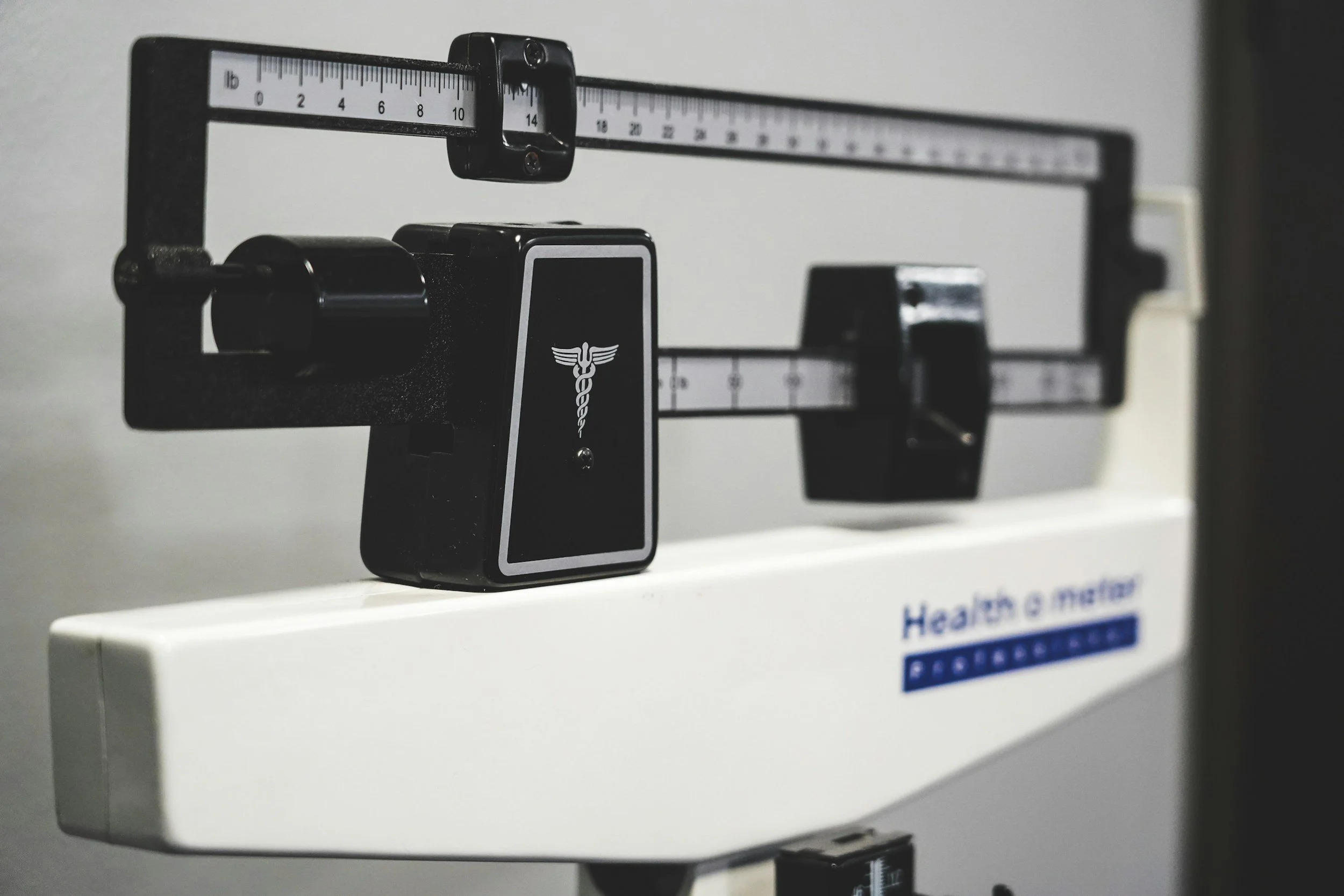
Why Weight Is Not a Reliable Measure of Health or Eating Disorder Recovery
For decades, weight has been treated as a primary indicator of health. In medical settings, schools, media, and wellness spaces, body weight, often summarized through BMI, is frequently used as a shorthand for wellbeing. This approach can feel straightforward, but it is deeply flawed. Weight is a single data point that tells us very little about a person’s physical health, mental health, or overall quality of life. For individuals with eating disorders or disordered eating, weight-centric models can be especially harmful.

Orthorexia: When Healthy Eating Becomes Harmful in Eating Disorder Recovery
Orthorexia often begins with a desire to feel better, have more energy, or “take care” of one’s body. Unlike other eating disorders, it is frequently praised, by friends, family, and even healthcare providers. This is one of the trickiest disordered eating patterns to notice because it can be so easily written off as a version of super health.

I Ran My First Marathon! And Here’s What I Learned
On January 11th, 2026, I became a first-time marathon finisher. Saying these words still feels surreal. So many moments leading up to the marathon felt like tests of my belief in myself. Why did I think I could do this? Why did I sign up? This last year was particularly difficult due to a couple of impactful medical conditions, and I wasn’t even sure it was safe for me to train at shorter distances, much less complete a full 26.2 miles.

The Role of the Nervous System in Eating Disorders
Many people think of eating disorders as primarily about food, weight, or body image. While these are part of the picture, the reality is that eating disorders are complex mind-body conditions, strongly influenced by the nervous system. The nervous system plays a critical role in how we experience hunger, fullness, emotion, stress, and safety. Understanding this connection helps explain why eating disorder behaviors are so compelling, and why recovery is often non-linear.

The Link Between Social Media and Teen Depression in New York City
For teens today, social media is a central part of life. Platforms connect friends, provide entertainment, and offer self-expression. Yet, research increasingly shows a connection between social media use and depressive symptoms in adolescents. While social media itself is not inherently “bad,” certain patterns of use can amplify anxiety, self-comparison, and feelings of inadequacy, all of which contribute to teen depression.

Featured In: ‘Spicy’ Books Like ‘Heated Rivalry’ Are Everywhere. Your Teen Might Want To Read Them.
If you’re a parent or caregiver of a teen reader, they may have come across spicy novels either on their social media feed (ones like “Heated Rivalry” are hard to miss) or right in the bookstore. They very well could be reading them, too. There’s a variety of reactions parents might find themselves having to this scenario, but it’s important to keep in mind that there are many reasons teens could be drawn to these types of books. (And, if we’re being honest, many of us can probably remember reading “spicy” books in secret as teens ourselves.)

Chronic Worry and Overthinking: How to Calm a Racing Mind
Everyone experiences worry from time to time. For some, worry becomes constant, a mental loop that interrupts sleep, focus, and daily life. Overthinking can make even small decisions feel overwhelming, leaving people exhausted and anxious. Chronic worry is more than just “thinking too much.” It’s a persistent state of heightened alertness, often tied to underlying anxiety, perfectionism, or past experiences. Understanding why it happens is the first step toward managing it.
Featured In: Feelings Found Podcast
Feeling distant doesn’t always mean being alone. Sometimes it means sitting in a room full of people and feeling like a ghost... unseen, disconnected, and quietly overwhelmed. In this episode, we talk with therapist and practice owner Lily Thrope about what emotional distance really looks like, why it so often shows up during the holidays, and why loneliness is one of the most misunderstood feelings we carry.

Rethinking Goal Setting: A Compassionate Approach to Creating Change
Setting goals can feel exciting, overwhelming, or even intimidating. Many of us jump into goal setting with high expectations, only to feel discouraged if we don’t meet them perfectly. But goal setting doesn’t have to be rigid or punishing, it can actually be healing, empowering, and deeply aligned with your values when approached with the right mindset. One of the most powerful tools for intentional goal setting is journaling. Writing things down connects your thoughts, your body, and your emotions in a way that makes your goals feel more tangible and possible. When your goals live only in your head, they can feel fleeting or unclear. But when you put pen to paper, your vision gains structure and a sense of commitment.

Practicing Mindfulness Through Journaling: A Gentle Guide
At Thrope Therapy, we love this definition because it reminds us that mindfulness isn’t about clearing your mind, being “perfectly calm,” or practicing for hours on end. It’s about being present with yourself, noticing your experiences without judgment, and treating yourself with compassion. One accessible way to build mindfulness is through journaling. While many people connect mindfulness with meditation, journaling offers an active, tangible way to pause, reflect, and practice presence. Writing allows you to slow down, observe your inner world, and meet your emotions with curiosity instead of criticism.

The Connection Between Self-Esteem and Healthy Relationships
Healthy relationships don’t exist in isolation—they reflect how we see ourselves. Your self-esteem, your sense of self-worth and confidence, plays a critical role in the quality, balance, and resilience of your relationships. At Thrope Therapy, we’ve seen how strengthening self-esteem can transform the way clients engage with others, create boundaries, and foster meaningful connections